Selecting the ideal kitchen knife is a decision that can transform your cooking experience. The right blade not only makes food preparation more effic…
Author: Mark Steve
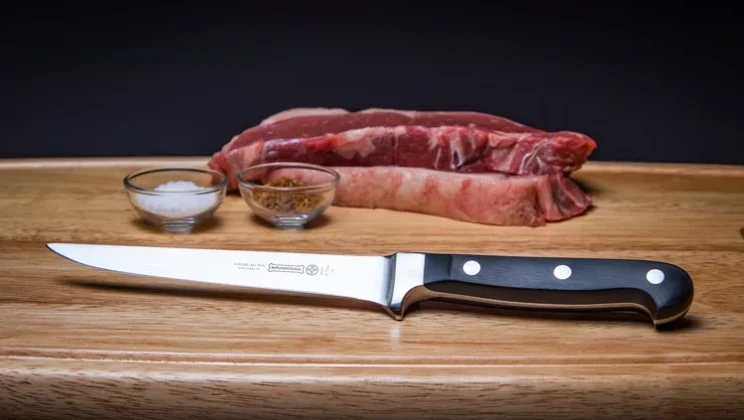
Boning Knife Blade Length: What Size Is Best?
Choosing the right boning knife blade length can make a significant difference in your kitchen prep, whether you’re breaking down poultry, trimm…

Stabilized Wood Knife Handles: Beauty Meets Strength
Knife enthusiasts and makers alike are always searching for the perfect balance between durability, aesthetics, and performance. One material that has…

Best Materials for Knife Handles: Durability Guide
Choosing the best materials for knife handles is essential for anyone who values performance, comfort, and longevity in their blades. Whether you&rsqu…

Blacksmith Handmade Knives: True Artisan Blades
Blacksmith handmade knives represent a blend of tradition, skill, and artistry that stands apart from mass-produced blades. These unique tools are for…
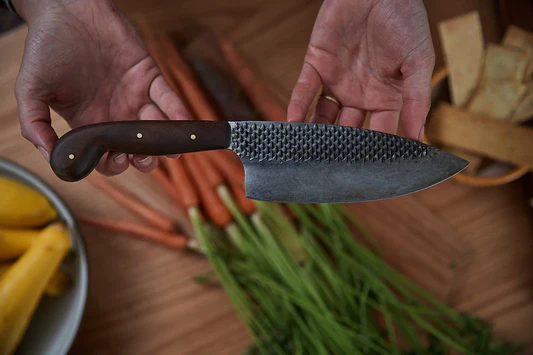
Artisan Knife Buying Guide: How to Invest Wisely
Choosing a handcrafted knife is about more than just picking a tool—it’s an investment in quality, tradition, and performance. This artisan knif…

Top Benefits of Hand Forged Knives for Every Kitchen
Choosing the right kitchen tools can make a significant difference in cooking results, efficiency, and enjoyment. Among the wide variety of cutlery av…

Impact Resistance Forged Knives: Durability Testing
Forged knives are highly valued for their strength, longevity, and ability to withstand demanding tasks in both kitchen and field environments. Among …
Mirror Polish vs Satin Finish Knives: Blade Aesthetics
When choosing a quality knife, the blade’s finish is more than just a matter of looks—it affects performance, maintenance, and even value….

Key Hand Forged Knife Quality Factors to Look For
Choosing a high-quality hand forged knife requires more than just admiring its appearance. Whether you’re a collector, chef, or outdoor enthusia…