Blacksmith handmade knives represent a blend of tradition, skill, and artistry that stands apart from mass-produced blades. These unique tools are forged by hand, shaped with care, and finished with a level of detail that only a dedicated craftsperson can provide. For collectors, chefs, outdoor enthusiasts, and anyone who values quality, artisan blades offer durability, performance, and a story behind every edge.
Understanding what sets these knives apart can help you appreciate their value and make informed choices when adding one to your collection or kitchen. If you’re considering commissioning a custom blade, it’s helpful to review custom knife maker selection tips to find the right smith for your needs.
The Art and Process Behind Artisan Blades
Each handmade knife begins as a simple piece of steel, transformed through heat, hammer, and time. The process involves several key steps:
- Forging: The steel is heated in a forge and hammered into shape, creating a strong, dense blade with a unique grain structure.
- Shaping and Grinding: After forging, the blade is shaped and ground to its final profile, ensuring balance and sharpness.
- Heat Treating: The blade is carefully heated and cooled to achieve the desired hardness and flexibility.
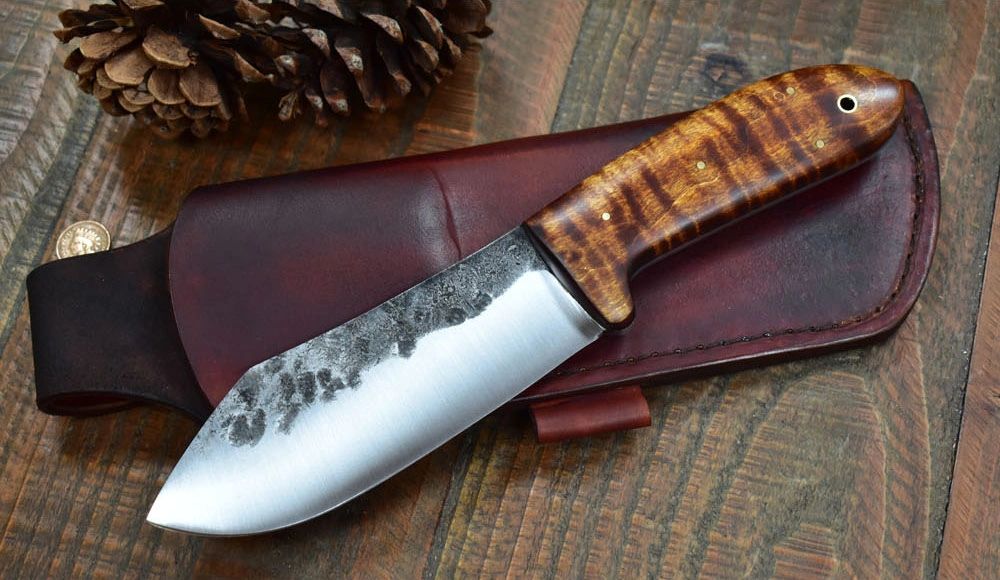
- Finishing: Handles are fitted, and the blade is polished or etched, sometimes revealing stunning patterns in the steel.
These steps require not only technical skill but also an eye for detail. Many smiths use traditional techniques passed down through generations, while others experiment with modern tools and materials. For a deeper look at the tools involved, explore this guide to hammer types for blacksmithing knives.
Why Choose Blacksmith Forged Knives?
There are several reasons why enthusiasts and professionals prefer blades made by hand:
- Durability: Forged knives often last longer due to their dense grain and careful heat treatment.
- Performance: The sharpness, edge retention, and balance are usually superior to factory-made alternatives.
- Uniqueness: No two handmade knives are exactly alike. Each one reflects the maker’s style and the nuances of the forging process.
- Connection to Tradition: Owning a hand-forged blade connects you to centuries of craftsmanship and history.
For those interested in the science and tradition behind these blades, learning about Damascus steel knife explanation can provide valuable context on pattern-welded steels and their legendary reputation.
Materials and Techniques in Hand-Forged Knives
The materials used in blacksmithing play a crucial role in the final product. High-carbon steels are favored for their hardness and ability to hold a sharp edge, while stainless steels offer corrosion resistance. Some smiths blend metals to create striking patterns, such as those seen in Damascus blades.
Traditional forging methods, like hammering and folding, not only shape the blade but also influence its strength and appearance. The choice of handle material—wood, bone, horn, or synthetic—further personalizes each knife. For more on finishing methods, see the complete guide to forged knife finishing methods.
Modern blacksmiths may also incorporate advanced heat treatment techniques and precision grinding to achieve optimal performance. These innovations, combined with time-honored skills, result in blades that are both functional and beautiful.
How to Identify a Quality Handmade Knife
When evaluating a hand-forged blade, consider the following:
- Fit and Finish: Joints between the blade and handle should be seamless, with no gaps or rough edges.
- Balance: The knife should feel comfortable and stable in your hand, with weight distributed evenly.
- Edge Geometry: A well-made knife will have a consistent, sharp edge suited to its intended purpose.
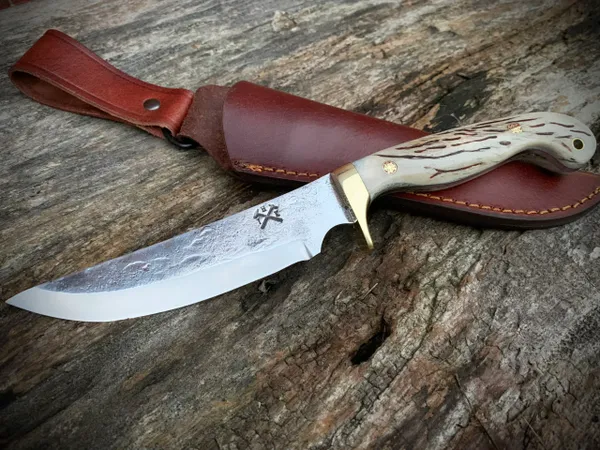
- Maker’s Mark: Many artisans stamp their logo or initials on the blade, signifying authenticity and pride in their work.
Ask about the materials used and the maker’s process. Reputable smiths are usually happy to share details about their craft. If you come across an older blade, consider learning about restoring old forged knives to bring vintage pieces back to life.
Maintaining and Caring for Your Artisan Blade
Proper care ensures your hand-forged knife remains sharp and beautiful for years. Here are some essential tips:
- Hand-wash and dry immediately after use to prevent rust or staining.
- Store in a dry place, preferably in a sheath or on a magnetic strip.
- Regularly oil the blade and handle, especially if made from carbon steel or natural materials.
- Sharpen with a whetstone or have it professionally honed to maintain the original edge geometry.
With the right maintenance, a quality handmade knife can become a treasured heirloom, passed down through generations.
Learning More About Forging and Knife Craft
If you’re interested in the techniques behind these blades, resources are available online and in local workshops. For a detailed overview of forging methods, visit this comprehensive guide to forging techniques in cutlery. Attending knife shows or visiting a smith’s workshop can also provide valuable insights into the artistry and effort involved in each blade.
FAQ: Common Questions About Hand-Forged Knives
What makes a blacksmith-forged knife different from a factory-made one?
Hand-forged knives are shaped and finished individually, resulting in unique grain patterns, superior balance, and a personal touch from the maker. Factory blades are mass-produced, often lacking the attention to detail and durability found in artisan pieces.
How can I tell if a knife is truly handmade?
Look for subtle irregularities in the blade, a visible maker’s mark, and seamless fit between the blade and handle. Ask the seller about the forging process and materials used—authentic smiths are usually transparent about their methods.
Are handmade knives worth the investment?
For many, the answer is yes. The combination of performance, longevity, and artistry makes these blades a valuable addition to any kitchen or collection. With proper care, they often outlast and outperform mass-produced alternatives.