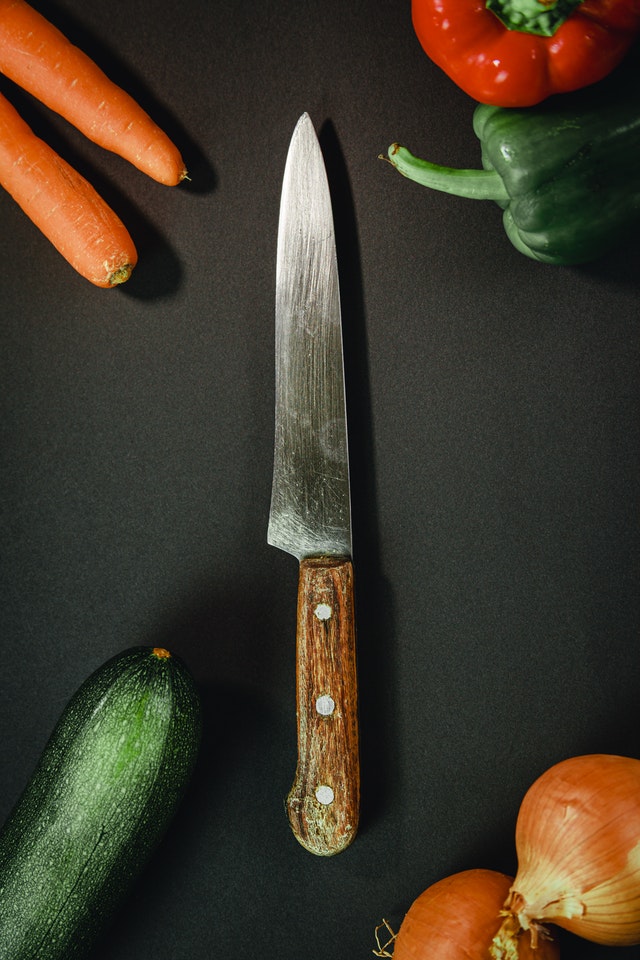
Choosing the right kitchen tools can make a significant difference in cooking results, efficiency, and enjoyment. Among the wide variety of cutlery available, hand forged knives stand out for their craftsmanship, performance, and longevity. Whether you are a home cook or a professional chef, understanding the unique advantages of these blades can help you make informed decisions about your kitchen essentials.
In this article, we’ll explore the most compelling reasons to consider hand-forged blades, how they differ from mass-produced alternatives, and what sets them apart in daily use. If you’re interested in learning more about selecting the right artisan for your next blade, you may also find value in our custom knife maker selection tips.
What Sets Hand-Forged Blades Apart?
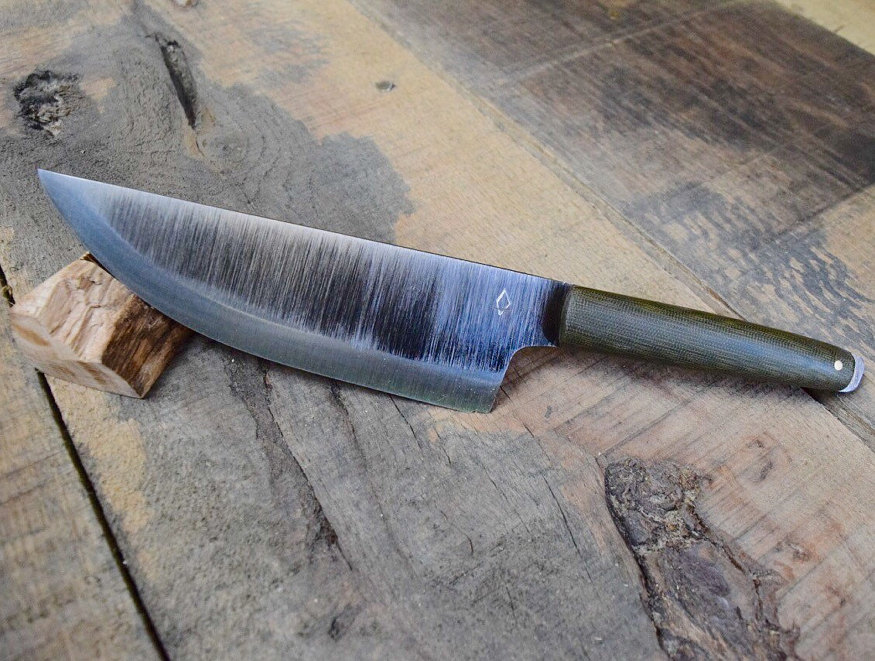
The process of forging a knife by hand involves heating, hammering, and shaping steel to create a blade with a unique structure and personality. Unlike stamped knives, which are cut from a sheet of steel and mass-produced, each hand-forged knife is individually crafted, resulting in subtle differences and a distinctive feel. This artisanal approach not only enhances the blade’s performance but also imbues it with character and durability.
For those interested in the technical details of how these knives are made, this overview of hand-forged knife production provides a thorough explanation of the forging process and its benefits.
Durability and Longevity: A Key Advantage
One of the most notable benefits of hand forged knives is their exceptional durability. The forging process aligns the steel’s grain structure, resulting in a denser, tougher blade that can withstand years of use. This means less frequent sharpening, reduced risk of chipping, and a longer overall lifespan compared to many factory-made knives.
Hand-forged blades are often made from high-carbon or specialty steels, which further enhances their resilience. With proper care, these knives can last for generations, making them a worthwhile investment for any kitchen.
Superior Cutting Performance and Edge Retention
Another significant benefit is the blade’s cutting ability. The forging process allows for precise control over the blade’s thickness, taper, and balance, resulting in a knife that slices, dices, and chops with remarkable efficiency. Many chefs and enthusiasts notice that hand-forged knives maintain a sharper edge for longer periods, reducing the need for frequent honing or sharpening.
For those interested in the science behind blade shapes and their impact on performance, our guide on forged knife blade shapes offers a deeper look at how profile influences cutting action.
Unmatched Craftsmanship and Aesthetic Appeal
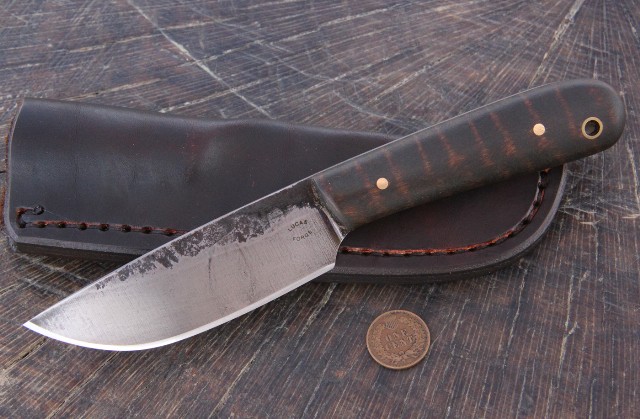
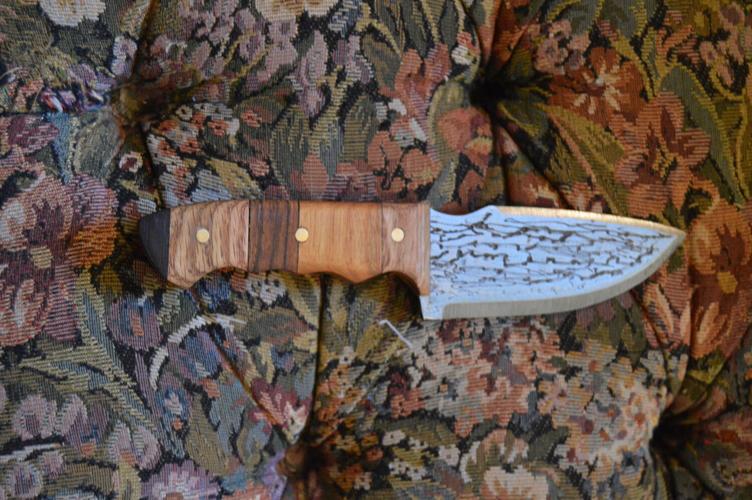
Each hand-forged knife is a testament to the skill and dedication of its maker. The attention to detail in shaping, grinding, and finishing results in a tool that is as beautiful as it is functional. Many knives feature distinctive patterns, such as those found in Damascus steel, or unique handle materials that set them apart from standard kitchen cutlery.
Owning a hand-forged blade is not just about utility—it’s about appreciating the artistry and tradition behind every piece. For a deeper understanding of these materials, our Damascus steel knife explanation dives into the history and characteristics of this celebrated steel type.
Ergonomics and Customization for Every Cook
Another important aspect of hand-forged knives is the opportunity for customization. Many smiths offer bespoke options, allowing you to select blade length, handle shape, materials, and even balance point to suit your preferences. This level of personalization ensures a comfortable grip and optimal control, reducing fatigue during extended prep sessions.
Whether you have large hands, prefer a particular handle material, or want a specific blade geometry, working with a skilled maker can result in a knife that feels like a natural extension of your hand.
Easy Maintenance and Restoration
While all knives require care, hand-forged blades are often easier to maintain and restore. The robust construction allows for repeated sharpening and even re-profiling if needed. Should your knife develop nicks or lose its edge, a skilled sharpener can bring it back to life, preserving its value and performance for years to come.
If you have inherited or discovered an old forged knife, our article on restoring old forged knives provides practical advice on cleaning, sharpening, and reviving these treasured tools.
Eco-Friendly and Sustainable Choice
Choosing a hand-forged knife can also be a more sustainable option. Many makers use locally sourced materials and traditional techniques that minimize waste. The long lifespan of these knives means fewer replacements and less environmental impact over time. Supporting small-scale artisans also contributes to the preservation of heritage crafts and local economies.
Summary of Key Advantages
- Exceptional durability and resistance to wear
- Superior edge retention and cutting performance
- Unique craftsmanship and aesthetic value
- Customizable ergonomics for comfort and control
- Ease of maintenance and potential for restoration
- Environmentally conscious and supports artisans
Frequently Asked Questions
Are hand-forged knives worth the investment?
Yes, the combination of durability, performance, and craftsmanship makes these knives a long-term investment. While the initial cost may be higher than mass-produced options, their longevity and ease of maintenance often result in better value over time.
How should I care for a hand-forged kitchen knife?
Hand-forged blades should be hand-washed and dried immediately after use to prevent rust and corrosion. Regular honing and occasional sharpening will keep the edge in top condition. Storing the knife in a sheath or on a magnetic strip can help protect the blade.
What makes hand-forged knives different from stamped knives?
Stamped knives are cut from a sheet of steel and typically lack the density and strength of forged blades. Hand-forged knives are shaped under heat and pressure, resulting in a tougher, more resilient structure and often a sharper, longer-lasting edge.
Conclusion
Hand-forged kitchen knives offer a blend of tradition, performance, and beauty that is hard to match with mass-produced alternatives. Their durability, cutting ability, and potential for customization make them a favorite among chefs and home cooks alike. By choosing a hand-forged blade, you invest not only in a superior tool but also in the heritage and skill of the craftspeople who create them.