Choosing a handcrafted knife is about more than just picking a tool—it’s an investment in quality, tradition, and performance. This artisan knife buying guide will help you navigate the world of custom blades, so you can make an informed decision that matches your needs and values. Whether you’re a chef, collector, or outdoor enthusiast, understanding what sets these knives apart is essential for making a purchase you’ll appreciate for years to come.
Hand-forged knives offer a unique blend of craftsmanship, materials, and design that mass-produced blades simply can’t match. However, with so many options available, it can be challenging to know where to start. We’ll break down the key factors to consider, from blade steel to handle ergonomics, and provide practical tips for evaluating makers and their work. For those interested in learning more about the process and artistry behind custom blades, check out these custom knife maker selection tips for further insights.
Why Choose a Handcrafted Knife?
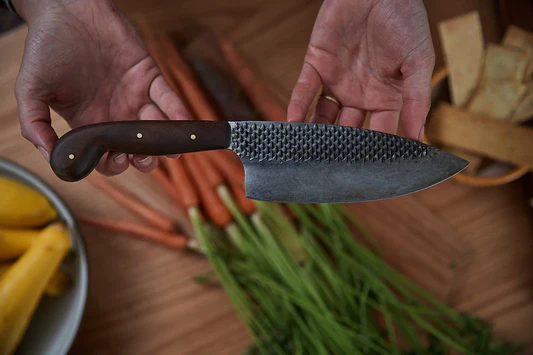
Handmade knives are valued for their individuality, attention to detail, and superior materials. Each blade reflects the maker’s skill and philosophy, resulting in a tool that’s both functional and beautiful. Unlike factory-made products, artisan knives are often tailored to specific uses and preferences, making them ideal for those who appreciate quality and uniqueness.
- Superior craftsmanship: Every step, from forging to finishing, is performed by skilled hands.
- High-quality materials: Makers often use premium steels and handle materials not found in mass-market knives.
- Customization: Many smiths offer bespoke options, allowing you to specify blade shape, size, and handle design.
- Longevity: With proper care, a well-made artisan knife can last a lifetime and even become a family heirloom.
Key Considerations in an Artisan Knife Buying Guide
Before making a purchase, it’s important to evaluate several aspects that influence the performance and value of a handcrafted blade. This section covers the most critical factors to keep in mind as you compare options.
Blade Steel and Heat Treatment
The type of steel used and how it’s treated are fundamental to a knife’s cutting ability and durability. Look for makers who are transparent about their materials and processes. Some smiths specialize in traditional carbon steels, while others use modern stainless alloys or even create Damascus steel for unique patterns and performance characteristics.
Proper heat treatment is just as important as the steel itself. This process determines the blade’s hardness, toughness, and edge retention. Ask makers about their approach and look for evidence of consistent, high-quality results.
Blade Shape and Intended Use
Consider what you’ll use the knife for most often. Chef’s knives, paring knives, hunting blades, and camp knives all have distinct profiles optimized for specific tasks. Understanding forged knife blade shapes can help you select a design that matches your needs.
Some artisan blades are multipurpose, while others are highly specialized. Think about your daily routines and choose a shape that feels natural and efficient in your hand.
Handle Design and Ergonomics
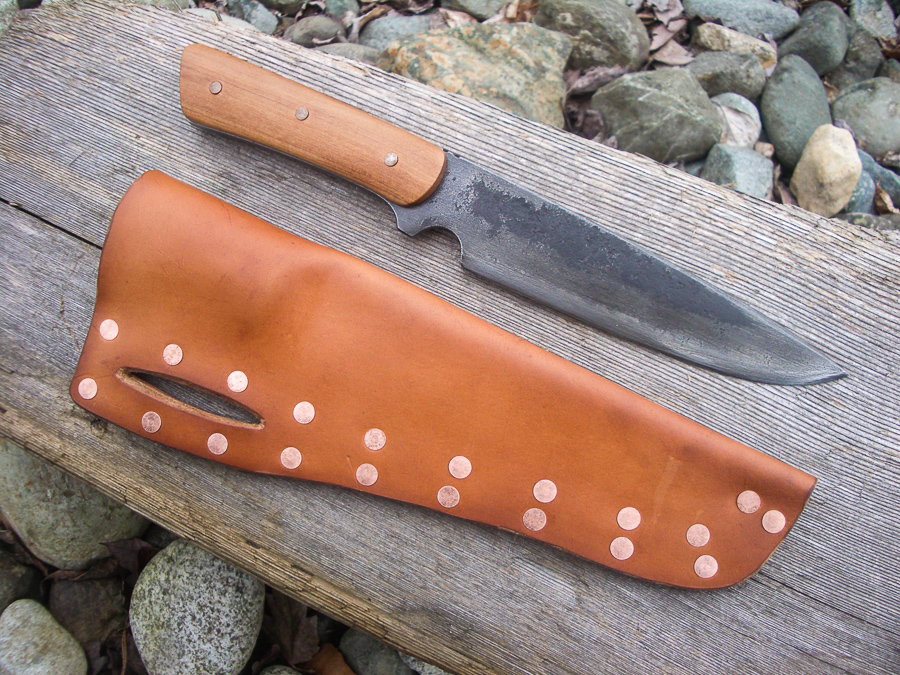
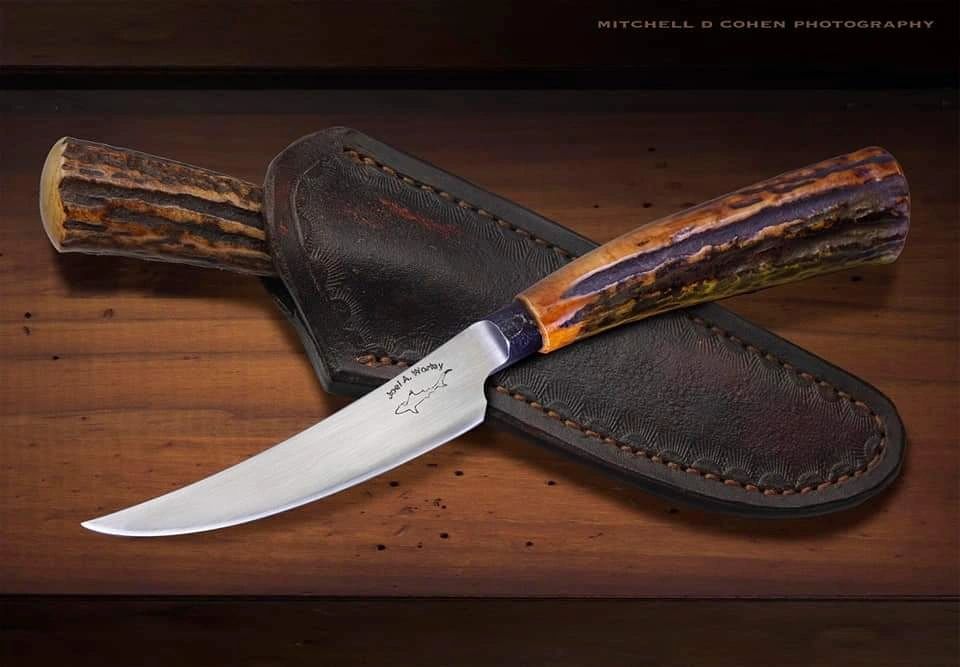
The handle is where your hand meets the tool, so comfort and control are paramount. Artisan makers often use premium woods, stabilized materials, or composites for durability and aesthetics. Look for smooth transitions between blade and handle, a comfortable grip, and secure fastenings. If possible, handle a similar model before purchasing to assess balance and feel.
Fit, Finish, and Maker Reputation
Examine the overall quality of the knife. The blade should be straight, with even grinds and a consistent edge. Joints and pins should be flush, and there should be no gaps or rough spots. A well-finished knife not only looks better but also performs more reliably and safely.
Research the maker’s background and customer feedback. Established smiths often have a track record of satisfied buyers and stand behind their work with guarantees or service options. For more on evaluating smiths, see these custom knife maker selection tips.
Understanding the Value of Craftsmanship
Hand-forged knives often command higher prices than factory-made alternatives, but the investment reflects the time, skill, and materials involved. You’re not just buying a tool—you’re supporting a craft and acquiring a piece of functional art. To appreciate the value, consider the hours of labor, the expertise in traditional blade making techniques, and the uniqueness of each finished piece.
Many buyers find that artisan knives outperform mass-produced blades in edge retention, comfort, and aesthetics. Over time, a well-chosen custom knife can save money by reducing the need for frequent replacements and repairs.
Evaluating and Caring for Your Investment
Once you’ve chosen a knife, proper care ensures it remains a reliable tool for years. Hand-forged blades often require a bit more attention than stainless mass-market knives, but the rewards are worth it. Here are some tips:
- Hand wash and dry immediately after use—avoid dishwashers.
- Store in a dry place, ideally in a sheath or on a magnetic strip.
- Regularly hone the edge and sharpen as needed; consider professional sharpening for best results.
- Apply a light coat of food-safe oil to carbon steel blades to prevent rust.
- Inspect for signs of wear and address minor issues promptly to avoid bigger problems.
If you have older blades, learning about restoring old forged knives can help you maintain or revive your collection.
Frequently Asked Questions
What makes a knife “artisan” compared to factory-made?
An artisan knife is crafted by a skilled maker, often using traditional forging and finishing techniques. Each piece is unique, reflecting the smith’s expertise and attention to detail, while factory knives are mass-produced with less individual oversight.
How do I know if a custom knife is worth the price?
Look for transparency about materials, consistent fit and finish, and a reputation for quality. Reviews, maker guarantees, and clear communication are good signs. The best value comes from a knife that meets your needs and is built to last.
Are hand-forged knives harder to maintain?
They may require more care, especially if made from high-carbon steel, which can rust if neglected. However, with regular cleaning, drying, and occasional oiling, maintenance is straightforward and helps preserve both function and appearance.
Can I use an artisan knife for everyday cooking?
Absolutely. Many hand-forged blades are designed for daily use and will outperform standard kitchen knives in sharpness, comfort, and durability. Just be sure to match the blade style to your typical tasks for the best experience.
Conclusion
Investing in a handcrafted blade is a rewarding experience for those who value quality, tradition, and individuality. By focusing on materials, maker reputation, and intended use, you can select a knife that not only performs beautifully but also reflects your personal style. Take your time, do your research, and enjoy the process of discovering a tool that will serve you well for years to come.