Knife enthusiasts and makers alike are always searching for the perfect balance between durability, aesthetics, and performance. One material that has gained significant traction in recent years is stabilized wood for knife handles. By merging the natural allure of wood with enhanced strength, these handles offer a unique combination that appeals to both collectors and everyday users.
Understanding what makes these handles special can help you make informed choices, whether you’re selecting a new kitchen tool, commissioning a custom blade, or simply appreciating the craftsmanship behind fine cutlery. If you’re interested in how to choose the right artisan for your next blade, check out these custom knife maker selection tips for more insights.
What Is Stabilized Wood?
Stabilized wood is natural wood that has undergone a process to improve its physical properties. The process involves impregnating the wood with a stabilizing resin under vacuum and pressure. This resin fills the pores and fibers of the wood, making it more resistant to moisture, warping, and cracking.
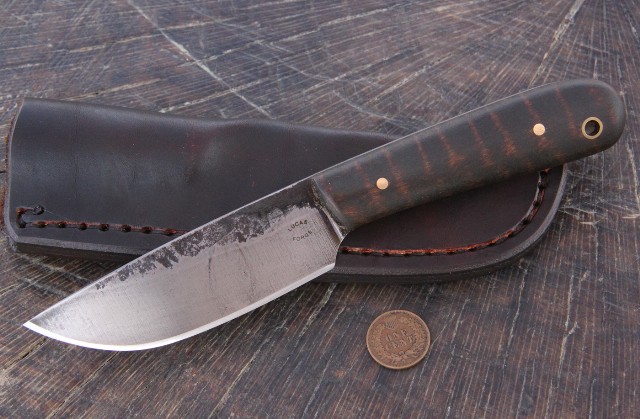
The result is a material that retains the organic beauty and grain patterns of wood but gains the toughness and reliability needed for everyday use. This makes it an ideal choice for knife handles, where both form and function matter.
Why Choose Stabilized Wood for Knife Handles?
There are several compelling reasons why stabilized wood is a top choice for knife handles:
- Enhanced Durability: The stabilization process makes the wood less susceptible to environmental changes, reducing the risk of swelling, shrinking, or splitting.
- Water Resistance: Unlike untreated wood, stabilized versions resist water absorption, making them suitable for kitchen knives and outdoor blades.
- Unique Appearance: Each piece maintains its natural grain and color, often enhanced by dyes, resulting in one-of-a-kind handles.
- Comfort and Grip: The resin-infused wood feels smooth yet secure in the hand, offering both comfort and safety during use.
These qualities make stabilized wood a favorite among both professional chefs and knife collectors.
How Stabilized Wood Handles Are Made
The creation of stabilized wood knife handles is a meticulous process that combines traditional woodworking with modern technology:
- Selection: High-quality hardwoods are chosen for their grain and structural integrity.
- Drying: The wood is thoroughly dried to remove all moisture, which is critical for successful stabilization.
- Stabilization: The dried wood is placed in a vacuum chamber with liquid resin. The vacuum removes air from the wood, allowing the resin to penetrate deeply.
- Curing: Once saturated, the wood is heat-cured to harden the resin, locking it into the wood fibers.
- Finishing: The stabilized wood is then shaped, sanded, and polished to create the final handle.
This process ensures that each handle is not only beautiful but also built to last.
Comparing Stabilized Wood to Other Handle Materials
When choosing a knife, the handle material plays a significant role in performance and aesthetics. Here’s how stabilized wood stacks up against other common options:
| Material | Durability | Water Resistance | Appearance | Comfort |
|---|---|---|---|---|
| Stabilized Wood | Excellent | High | Unique, natural grain | Very good |
| Micarta | Excellent | High | Uniform, industrial look | Good |
| G10 | Excellent | Very high | Consistent, synthetic | Good |
| Natural Wood | Moderate | Low | Varied, natural | Very good |
| Metal | High | Very high | Modern, sleek | Can be slippery |
Stabilized wood stands out for its blend of natural beauty and improved performance, making it a versatile choice for both custom and production knives.
Popular Wood Species for Stabilized Handles
Not all woods are equally suited for stabilization. Some of the most popular species include:
- Burl woods (maple, buckeye, redwood) for their striking grain patterns
- Walnut and oak for classic looks and strength
- Desert ironwood for density and deep color
- Spalted woods for unique, contrasting lines
Each species brings its own character, and the stabilization process often enhances their natural colors and patterns even further.
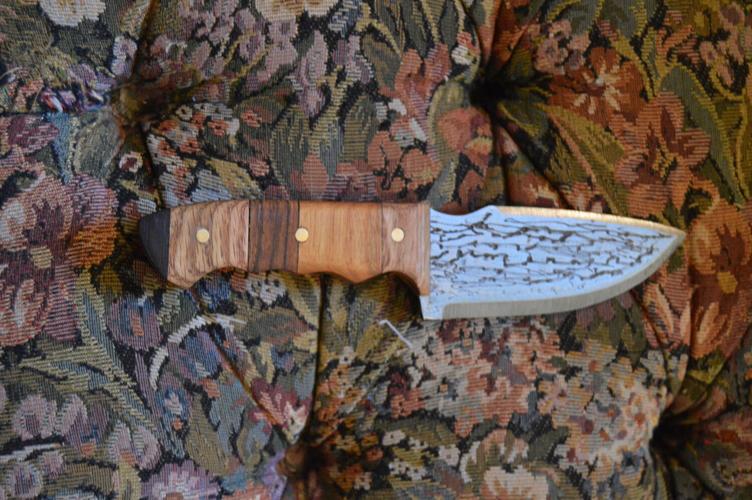
Care and Maintenance Tips
While stabilized wood is more resilient than untreated wood, proper care will keep your knife handle looking and performing its best:
- Wipe the handle clean with a damp cloth after use; avoid soaking it in water.
- Do not expose the handle to extreme temperatures or direct sunlight for extended periods.
- Occasionally apply a light coat of mineral oil or wood conditioner to maintain luster.
- Avoid harsh chemicals or abrasive cleaners.
With minimal maintenance, a stabilized wood handle can last for decades, retaining its beauty and integrity.
Applications Beyond the Kitchen
These durable and attractive handles are not limited to kitchen knives. Outdoor knives, hunting blades, and even collectible pieces benefit from the stability and visual appeal of resin-infused wood. For those interested in the forging process and finishing techniques, you might find value in this resource on forged knife finishing methods.
Additionally, stabilized wood is often used in other crafts, such as pen making, jewelry, and tool handles, wherever a combination of strength and beauty is desired.
Stabilized Wood in Custom and Forged Knives
Many custom knife makers prefer stabilized wood for its reliability and the ability to offer clients a truly unique product. The material pairs well with high-end steels, including Damascus and other specialty alloys. If you’re curious about how hand-forged knives are crafted and why artisans choose certain materials, this detailed guide on hand-forged knives provides a deeper look into the process.
Whether you’re a collector or a user, opting for a knife with a stabilized wood handle ensures you’re getting a tool that is both practical and visually striking.
Frequently Asked Questions
Is stabilized wood safe for food use?
Yes, stabilized wood is considered safe for food contact, especially when properly cured and finished. The resin used in stabilization is typically non-toxic once set, making these handles suitable for kitchen knives and utensils.
Can stabilized wood handles be repaired if damaged?
Minor scratches or dullness can often be buffed out or treated with a light application of oil. However, significant damage may require professional repair or replacement, as the resin-infused structure can be more challenging to fix than untreated wood.
How does stabilized wood compare to synthetic materials?
While synthetic materials like G10 and Micarta offer excellent durability and consistency, stabilized wood provides a unique, natural appearance and a warm feel in the hand. It combines much of the resilience of synthetics with the beauty of organic materials.