Selecting the ideal kitchen knife is a decision that can transform your cooking experience. The right blade not only makes food preparation more efficient but also enhances safety and comfort. With so many options available, understanding the key factors involved in how to choose the right chef knife is essential for both beginners and seasoned home cooks.
This guide will walk you through the most important considerations, from blade materials and handle design to weight, balance, and maintenance. By the end, you’ll be equipped to make a confident choice that suits your culinary style and kitchen needs.
Before diving into the specifics, it’s helpful to explore resources on different knife edge grinds and their uses to better understand how blade shapes affect performance.
Understanding Chef Knife Types and Their Uses
Not all kitchen knives are created equal. When considering how to choose the right chef knife, it’s important to recognize the main types and what tasks they excel at.
- Western-Style Chef’s Knife: Typically 8 to 10 inches long, with a curved blade for rocking motions. Ideal for chopping, dicing, and mincing.
- Santoku Knife: A Japanese alternative, usually shorter and lighter, with a flatter edge. Great for slicing, dicing, and fine cuts.
- Gyuto: The Japanese version of the Western chef’s knife, combining versatility with a thinner, sharper blade.
- Chinese Chef’s Knife (Cai Dao): Rectangular and broad, suitable for slicing, chopping, and even crushing garlic.
Each style brings unique strengths. Consider your cooking habits and the types of ingredients you handle most often when making your selection.
Key Factors in Selecting the Best Kitchen Knife
When evaluating which blade will serve you best, several criteria should guide your decision. Here are the most critical aspects to consider:
Blade Material and Construction
The material of the blade greatly influences sharpness, durability, and ease of maintenance. The most common options include:
- Stainless Steel: Resistant to rust and staining, easy to maintain, and widely available. However, some lower-quality stainless blades may dull quickly.
- High-Carbon Steel: Offers excellent edge retention and sharpness but requires regular care to prevent corrosion.
- Damascus Steel: Known for its distinctive wavy pattern, combining the benefits of multiple metals for strength and beauty.
Construction methods also matter. Forged knives are made from a single piece of steel and tend to be sturdier, while stamped knives are cut from sheets and are often lighter and less expensive.
Handle Comfort and Safety
A comfortable grip is essential for safe and efficient cutting. Handles come in various materials, such as wood, plastic, and composite. Look for a handle that feels secure in your hand, with no sharp edges or awkward angles.
- Wood: Warm and traditional, but may require extra care to prevent cracking.
- Plastic/Composite: Durable and easy to clean, often with textured surfaces for better grip.
- Metal: Sleek and modern, but can be slippery if wet.
The handle should balance the blade and allow for a natural, relaxed grip. If possible, try holding different knives before purchasing to find what suits you best.
Weight and Balance
The ideal chef’s knife should feel like an extension of your hand. Some cooks prefer a heavier knife for chopping dense foods, while others favor a lighter blade for agility and speed. Balance is equally important—when you hold the knife at the bolster (where blade meets handle), it should not tip forward or backward.
Test a few models to see which weight and balance point feels most comfortable for your style of cooking.
Blade Shape, Edge, and Maintenance
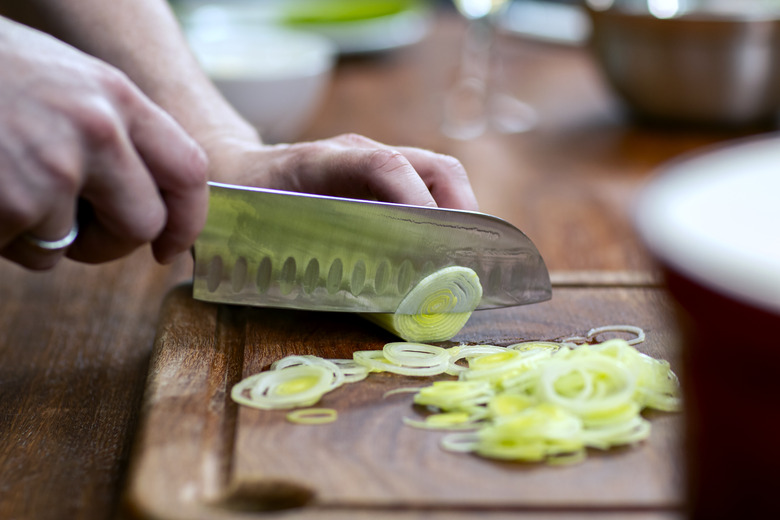
The shape and grind of the blade affect how the knife performs different tasks. A curved edge is better for rocking cuts, while a straighter edge excels at slicing. Some chef’s knives have a Granton edge (with dimples) to reduce food sticking.
For a deeper dive into blade geometry and how it impacts performance, check out this comprehensive guide on knife edge grinds.
Maintenance is another key consideration. High-carbon and Damascus blades require more attention to prevent rust, while stainless steel is more forgiving. Regular honing and occasional sharpening will keep any knife in top condition.
Tips for Testing and Buying Your Knife
Once you’ve narrowed down your options, it’s wise to test the knife in person if possible. Here are some practical tips:
- Grip: Hold the knife as you would during prep work. It should feel secure and comfortable.
- Cutting Test: Try slicing through a tomato or onion. The blade should glide easily without crushing or tearing.
- Balance Check: Hold the knife at the bolster to ensure it feels balanced.
- Visual Inspection: Look for any defects, uneven grinds, or loose handles.
If buying online, read reviews and check return policies. Trusted brands often provide better quality control and warranties.
Frequently Asked Questions
What size chef’s knife is best for home cooks?
Most home cooks find an 8-inch blade to be the most versatile. It offers a good balance between control and cutting surface, making it suitable for a wide range of tasks.
How do I maintain and sharpen my chef knife?
Regular honing with a steel will keep the edge aligned, while periodic sharpening with a whetstone or professional service restores sharpness. Always hand wash and dry your knife promptly to prevent rust and maintain its condition.
Is it worth investing in an expensive chef knife?
Higher-priced knives often use superior materials and craftsmanship, resulting in better performance and longevity. However, there are excellent mid-range options that offer great value. Choose a knife that fits your budget and feels right in your hand.
Should I choose a Western or Japanese-style chef knife?
Western models are typically heavier and have a curved edge for rocking motions, while Japanese options are lighter and excel at precision slicing. Your choice should reflect your cooking style and personal preference.
Conclusion
Finding the perfect kitchen knife involves more than just picking the sharpest blade. By considering factors like blade material, handle comfort, weight, and balance, you can select a tool that enhances your cooking and lasts for years. Take time to explore your options, test different styles, and invest in a quality knife that matches your culinary needs.