Choosing the right boning knife blade length can make a significant difference in your kitchen prep, whether you’re breaking down poultry, trimming fat from beef, or filleting fish. The ideal size depends on the types of proteins you handle most often, your preferred techniques, and even your hand size. With so many options available, understanding the nuances of blade length will help you select a tool that’s both comfortable and efficient.
In this article, we’ll break down the most common blade sizes, their pros and cons, and how to match a boning knife to your specific needs. For a deeper dive into the many uses of this versatile tool, check out the top uses for a boning knife in the kitchen.
Understanding Boning Knife Blade Lengths
Boning knives typically range from 5 to 7 inches in blade length, though some specialty models can be shorter or longer. The blade length you choose affects how easily you can maneuver around bones, joints, and connective tissue. Shorter blades offer more control for intricate work, while longer blades excel at slicing through larger cuts of meat.
Here’s a quick overview of the most common sizes:
- 5-inch blades: Ideal for poultry, small fish, and delicate trimming tasks.
- 6-inch blades: The most versatile, balancing control and reach for a wide range of proteins.
- 7-inch blades: Best for larger cuts like brisket, pork shoulder, or big fish.
Factors to Consider When Choosing Blade Size
Selecting the right boning knife blade length isn’t just about the size of the meat you’re preparing. Several factors influence which blade will serve you best:
- Type of Protein: If you often work with chicken or fish, a shorter, more flexible blade offers precision. For beef or pork, a longer, stiffer blade provides the leverage needed for thicker cuts.
- Flexibility: Flexible blades (usually shorter) are great for delicate tasks, while stiff blades (often longer) are better for tougher jobs.
- Hand Size and Comfort: A blade that feels balanced and comfortable in your hand will reduce fatigue and improve accuracy.
- Skill Level: Beginners may find shorter blades easier to control, while experienced cooks might prefer the efficiency of a longer blade.
Short vs. Long Boning Knives: Pros and Cons
The debate between short and long boning knife blade lengths comes down to control versus reach. Here’s how they compare:
| Blade Length | Advantages | Best For |
|---|---|---|
| 5-inch | Maximum control, easy to maneuver, ideal for tight spaces | Poultry, small fish, detailed trimming |
| 6-inch | Versatile, balances control and reach, handles most tasks | General use, home cooks, mixed proteins |
| 7-inch | Greater reach, efficient for large cuts, less strokes needed | Brisket, pork shoulder, large fish |
Matching Blade Length to Common Kitchen Tasks
To get the most from your boning knife, match the blade size to your most frequent kitchen tasks:
- Deboning Chicken: A 5- or 6-inch flexible blade lets you work around joints and cartilage with ease.
- Filleting Fish: Short, flexible blades are perfect for following the contours of fish bones.
- Trimming Beef or Pork: A 6- or 7-inch stiff blade gives you the leverage to separate large muscles and trim fat efficiently.
- Breaking Down Large Cuts: Longer blades reduce the number of strokes needed and help maintain clean, even cuts.
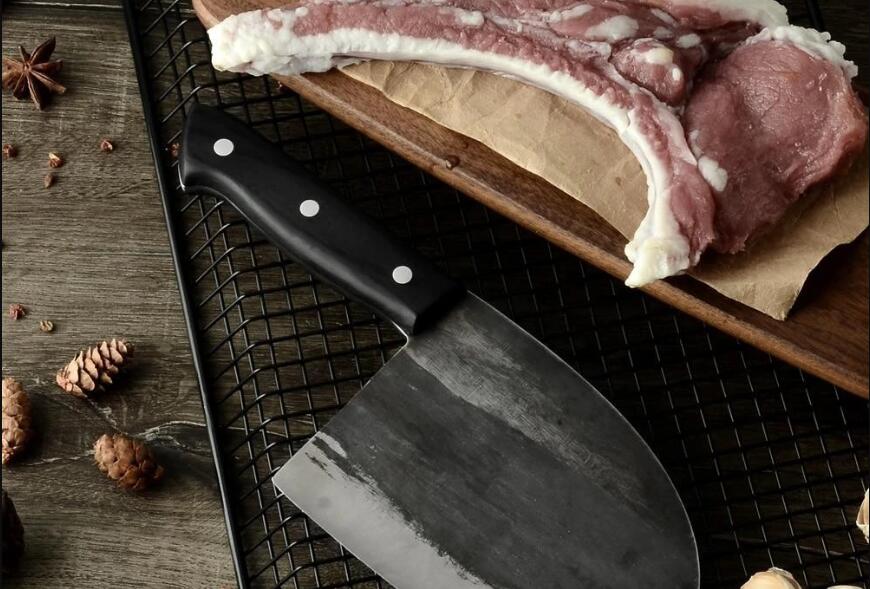
How to Care for Your Boning Knife
Regardless of the blade length you choose, proper care will keep your boning knife sharp and safe to use. Always hand wash and dry your knife immediately after use to prevent corrosion. Store it in a knife block or sheath to protect the edge. Regular honing and occasional professional sharpening will maintain its performance, ensuring clean cuts every time.
Frequently Asked Questions
What is the most versatile boning knife blade length?
A 6-inch blade is widely considered the most versatile option. It offers a balance between control for detailed work and enough length to handle larger cuts, making it suitable for most home and professional kitchens.
Should I choose a flexible or stiff boning knife?
Flexible blades are best for delicate tasks like fish filleting or deboning poultry, while stiff blades provide the strength needed for tougher meats such as beef or pork. The choice depends on your typical kitchen tasks.
Can I use a longer boning knife for small tasks?
While a longer blade can handle small tasks, it may be harder to maneuver in tight spaces or when working around small bones. For precision, a shorter blade is usually more effective.