
Forged knives are highly valued for their strength, longevity, and ability to withstand demanding tasks in both kitchen and field environments. Among the many qualities that set them apart, impact resistance stands out as a critical factor for anyone seeking a blade that can handle tough use without chipping, cracking, or failing. This article explores how forged knives are tested for durability, what makes them resilient, and how you can choose the right blade for your needs.
Whether you’re a chef, outdoors enthusiast, or collector, understanding the science and craftsmanship behind these blades helps you make informed decisions. For those interested in the broader world of custom blades, you might also find value in our guide on custom knife maker selection tips, which covers how to choose the right smith for your next project.
What Makes Forged Knives Impact Resistant?
The process of forging involves heating steel and shaping it under high pressure, which refines the grain structure and increases the density of the metal. This results in a blade that is not only hard but also tough—meaning it can absorb energy from impacts without fracturing. The impact resistance of a forged knife depends on several factors:
- Steel composition: Alloys with the right balance of carbon and other elements provide both hardness and toughness.
- Forging technique: Proper hammering and heat treatment align the grain structure, reducing weak points.
- Blade geometry: Thicker spines and well-designed bevels help distribute force and prevent breakage.
- Heat treatment: Quenching and tempering processes are crucial for optimizing the balance between hardness and flexibility.
For a deeper dive into the forging process, you can check out this detailed explanation of how forged knives are made.
How Durability Testing Is Performed
To ensure a forged knife can withstand real-world use, manufacturers and smiths subject their blades to a series of standardized and practical tests. These assessments focus on how well the knife resists chipping, cracking, and deformation when exposed to sudden force or repetitive stress.
Common Impact Resistance Tests
- Drop Test: The knife is dropped from a set height onto a hard surface to see if the edge chips or the blade bends.
- Chopping Test: The blade is used to chop through hard materials like wood or bone, simulating heavy-duty use.
- Batoning: A baton is used to strike the spine of the knife, driving it through dense material. This tests both the edge and the overall toughness.
- Flex Test: The blade is flexed to a certain degree to check for cracks or permanent bends.
These tests are designed to mimic the types of impacts a knife might encounter in the kitchen or outdoors. A blade that passes these trials is considered highly durable and reliable.
Comparing Forged and Stamped Knives for Toughness
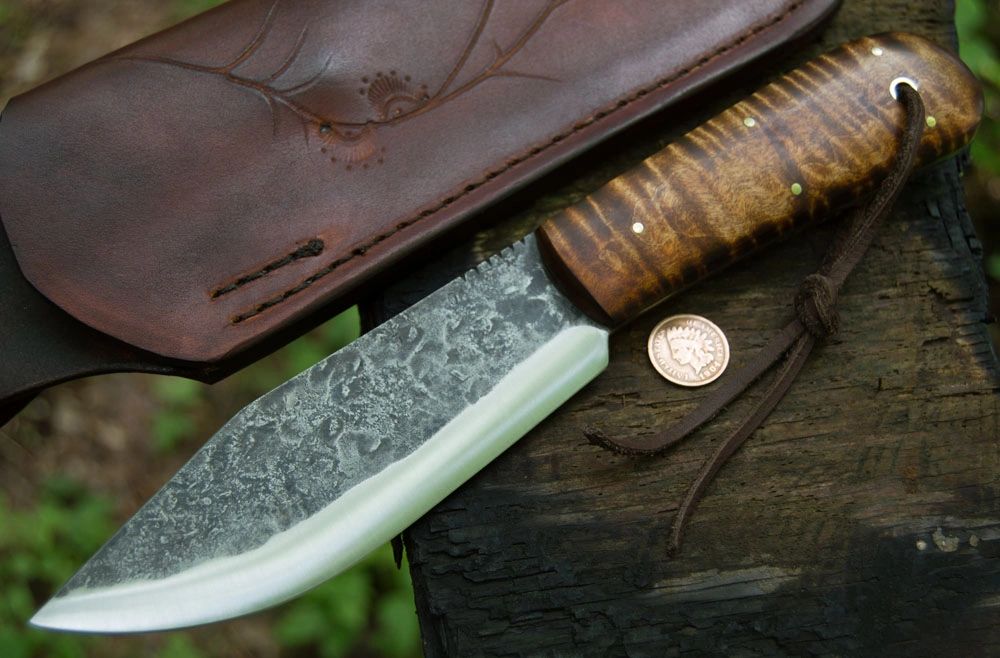
While both forged and stamped knives have their place, forged blades are generally superior when it comes to withstanding impact. Stamped knives are cut from a sheet of steel and then heat-treated, but they lack the dense, refined grain structure of forged blades. This makes them more prone to bending or breaking under heavy use.
Forged knives, on the other hand, are built to handle repeated impacts and demanding tasks. Their robust construction makes them a top choice for professionals and enthusiasts who require reliability in challenging conditions.
Key Factors That Influence Knife Durability
Not all forged knives are created equal. Several factors influence how well a blade will perform in impact resistance tests:
- Material Quality: High-quality steel with the right alloying elements offers better toughness.
- Heat Treatment Precision: Proper quenching and tempering are essential for balancing hardness and flexibility.
- Blade Thickness: A thicker spine can absorb more force, but too much thickness can make the knife unwieldy.
- Edge Geometry: The shape and angle of the edge affect both cutting performance and resistance to chipping.
- Handle Construction: A secure, well-fitted handle helps absorb shock and prevents damage during use.
For those interested in the restoration and maintenance of older blades, our article on restoring old forged knives provides practical tips for bringing vintage tools back to life.
Choosing a Blade with Superior Impact Resistance
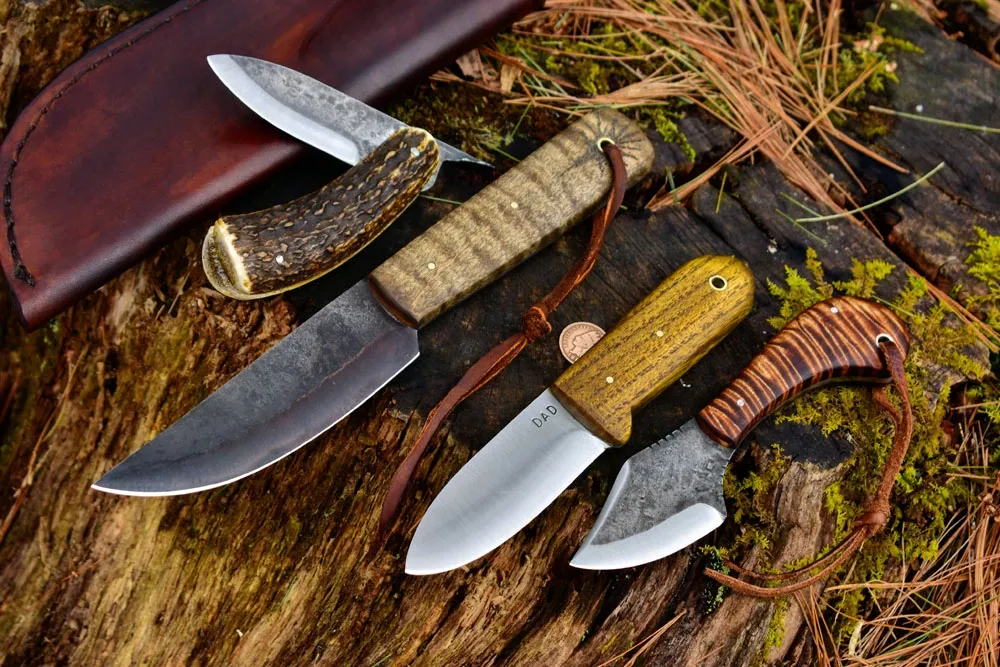
When selecting a forged knife for durability, consider the following tips:
- Look for reputable makers who provide information about their forging and heat treatment processes.
- Choose knives made from proven high-toughness steels, such as 5160, 52100, or certain stainless alloys.
- Inspect the blade for even thickness, a well-formed spine, and a secure handle attachment.
- Read reviews or watch videos of real-world testing to see how the knife performs under stress.
- Consider the intended use—kitchen, outdoor, or utility—and select a design suited to those tasks.
If you’re interested in the tools used to forge these blades, our resource on hammer types for blacksmithing knives explains how different hammers affect the forging process and, ultimately, the knife’s performance.
Maintaining the Durability of Your Forged Knife
Even the toughest blade requires proper care to maintain its impact resistance and overall performance. Here are some practical maintenance tips:
- Keep the blade clean and dry to prevent corrosion, which can weaken the steel.
- Sharpen the edge regularly using appropriate stones or systems to avoid excessive force during use.
- Avoid prying or twisting the blade, as even tough knives can be damaged by misuse.
- Store the knife in a protective sheath or block to prevent accidental impacts.
- Inspect the handle and blade periodically for signs of wear or damage.
For those curious about specialty steels, our article on damascus steel knife explanation covers the unique characteristics and care requirements of these visually striking blades.
Frequently Asked Questions
How does forging improve a knife’s impact resistance?
Forging compresses and aligns the steel’s grain structure, making the blade denser and tougher. This process helps the knife absorb shocks and resist chipping or breaking when subjected to force.
Are all forged knives equally durable?
No, the durability of a forged knife depends on factors like steel quality, heat treatment, blade geometry, and the skill of the maker. Always choose knives from reputable sources and look for information about their manufacturing process.
What’s the difference between toughness and hardness in knives?
Hardness refers to a blade’s ability to resist deformation and wear, while toughness (or impact resistance) is its ability to absorb energy without cracking or breaking. The best forged knives strike a balance between these two qualities.
Can a forged knife be too hard?
Yes, if a blade is made too hard, it may become brittle and prone to chipping or breaking under impact. Proper tempering during heat treatment ensures the knife retains enough flexibility for tough use.
Conclusion
Choosing a knife with excellent impact resistance ensures you have a tool that stands up to demanding tasks and lasts for years. Forged blades, thanks to their refined structure and careful craftsmanship, are a top choice for those who value durability and performance. By understanding the factors that contribute to toughness and the tests used to measure it, you can confidently select and care for a knife that meets your needs.