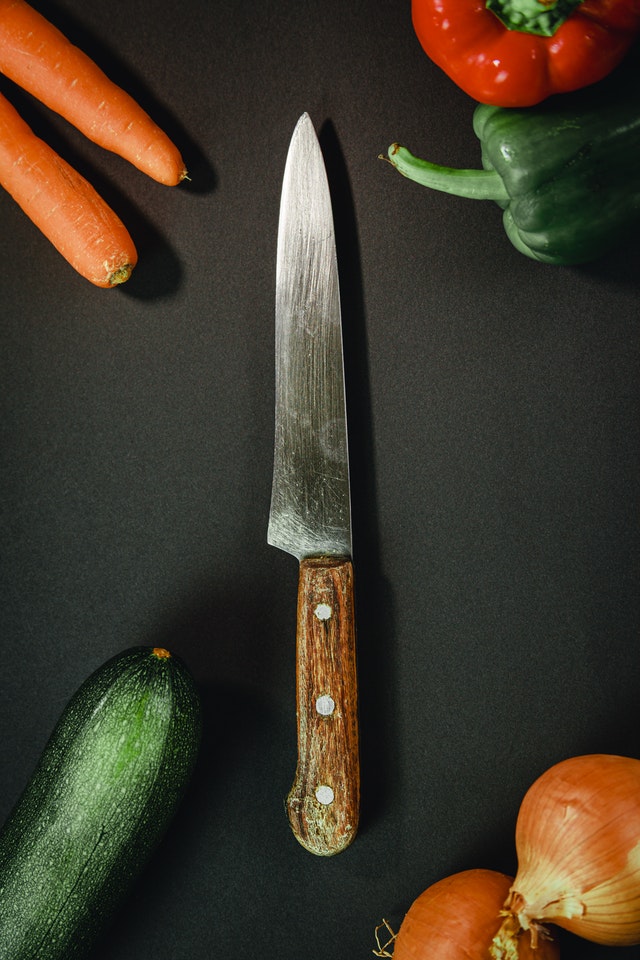

Choosing the best materials for knife handles is essential for anyone who values performance, comfort, and longevity in their blades. Whether you’re a chef, outdoors enthusiast, or collector, the handle material impacts grip, resilience, and even the knife’s overall appearance. This guide explores the most reliable options, comparing their strengths and weaknesses so you can make an informed decision for your next knife purchase or custom build.
Knife handles come in a wide range of materials, from traditional woods to advanced synthetics and metals. Each has unique characteristics that affect durability, maintenance, and user experience. Understanding these differences will help you select a handle that fits your needs, style, and intended use.
If you’re interested in the process of how knife handles are crafted and finished, you may find this detailed look at knife making techniques helpful. For those considering a custom blade, our custom knife maker selection tips offer guidance on finding the right smith for your needs.
Natural Wood: Classic Beauty and Reliable Performance
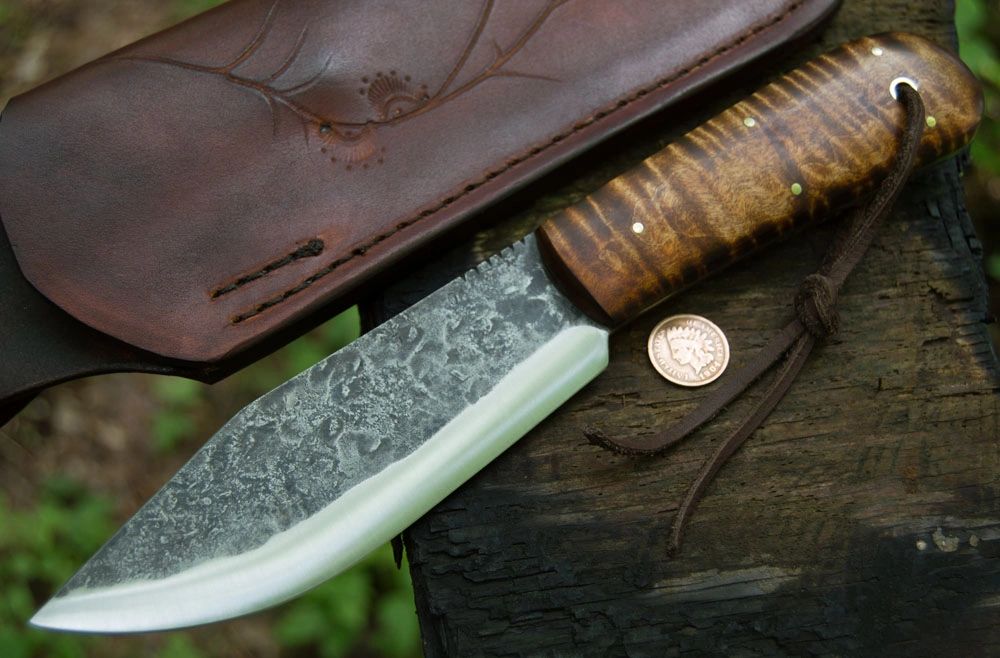
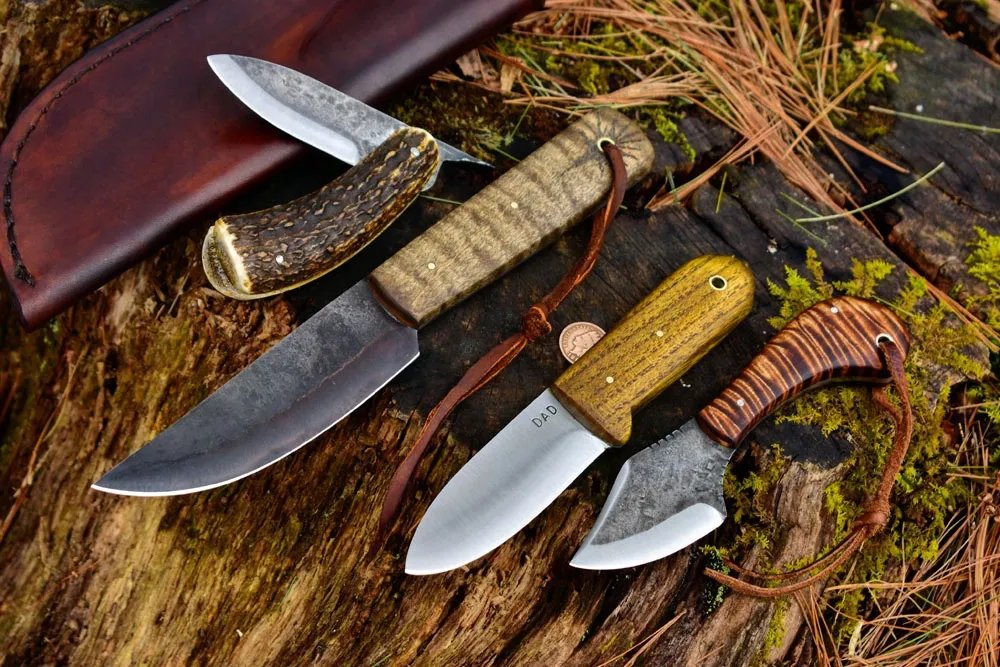
Wood has been a staple for knife handles for centuries. Its warmth, grip, and aesthetic appeal make it a favorite among both traditionalists and modern users. Popular choices include walnut, rosewood, ebony, and maple. Stabilized woods—treated to resist moisture and warping—offer even greater durability, making them suitable for demanding environments.
Advantages:
- Comfortable grip that improves with use
- Unique grain patterns for visual appeal
- Good shock absorption, reducing hand fatigue
Drawbacks:
- Can be prone to cracking or swelling if not properly sealed
- Requires regular maintenance to prevent drying out
For those who appreciate a blend of tradition and innovation, stabilized wood is often considered one of the best materials for knife handles due to its improved resistance to the elements.
Synthetic Options: Modern Solutions for Durability
Modern synthetic materials have revolutionized knife handle construction. These options are designed for maximum resilience, minimal maintenance, and consistent performance in all conditions. Common synthetics include G10, Micarta, and carbon fiber.
G10: Fiberglass Toughness
G10 is a fiberglass laminate known for its strength, water resistance, and lightweight feel. It’s a top choice for tactical and outdoor knives, offering a secure grip even when wet.
- Highly resistant to moisture, chemicals, and temperature changes
- Textured surface for improved handling
- Virtually maintenance-free
Micarta: Versatile and Comfortable
Micarta is made from layers of linen, canvas, or paper set in resin. It provides a warm, grippy feel and can be finished in a variety of textures and colors. Over time, Micarta develops a patina, adding character without sacrificing performance.
- Excellent grip, especially when wet
- Durable and resistant to impact
- Lightweight and customizable
Carbon Fiber: Lightweight Strength
Carbon fiber is prized for its low weight and high strength-to-weight ratio. While more expensive, it offers a sleek, modern look and exceptional durability. However, it can be slippery if not textured properly.
Among synthetic choices, G10 and Micarta are frequently cited as top materials for knife handles due to their reliability in harsh environments.
Metal Handles: Strength and Longevity
Metals such as stainless steel, titanium, and aluminum are also popular for knife handles. These materials provide unmatched durability and a modern aesthetic, though they come with their own considerations.
Stainless Steel
Stainless steel handles are incredibly tough and resistant to corrosion. They are easy to clean but can be heavy and sometimes slippery. Many manufacturers add texturing or inlays to improve grip.
Titanium
Titanium offers a balance of strength, lightness, and corrosion resistance. It’s often used in high-end knives and is favored for its unique appearance and feel.
Aluminum
Aluminum is lightweight and can be anodized in various colors. While not as strong as titanium, it provides a good compromise between weight and durability for everyday carry knives.
Metal handles are ideal for those who prioritize longevity and a sleek, modern look, but they may not provide the same warmth or grip as wood or synthetics.
Other Noteworthy Materials
Beyond the main categories, there are specialty materials that cater to specific needs or aesthetics:
- Bone and Horn: Traditional and visually striking, but require careful maintenance.
- Mother of Pearl: Used for decorative or collector’s knives; not ideal for heavy use.
- Rubber and Thermoplastics: Offer excellent grip and shock absorption, perfect for utility or diving knives.
For those interested in the unique qualities of Damascus steel blades, our Damascus steel knife explanation provides a deep dive into this fascinating material.
How to Choose the Right Handle Material
When selecting a knife handle, consider the following factors:
- Intended Use: Kitchen knives benefit from materials that resist moisture and provide a secure grip, while outdoor knives may require tougher, weather-resistant options.
- Maintenance: Some materials, like wood and bone, need regular care. Synthetics and metals are generally lower maintenance.
- Grip and Comfort: Textured synthetics and stabilized woods offer superior handling, especially in wet or slippery conditions.
- Weight: Lightweight materials like carbon fiber and aluminum reduce fatigue during extended use.
- Appearance: If aesthetics matter, natural materials provide unique patterns, while synthetics and metals offer modern, customizable looks.
For more on finishing techniques that enhance both function and appearance, see our guide on forged knife finishing methods.
Care and Maintenance Tips
Regardless of the material, proper care extends the life of your knife handle:
- Clean handles with mild soap and water; avoid soaking wooden handles.
- Dry thoroughly after washing to prevent moisture damage.
- Apply mineral oil to wooden or bone handles periodically.
- Inspect for cracks or wear and address issues promptly.
If you have an older blade, our resource on restoring old forged knives covers techniques for bringing handles and blades back to life.
Frequently Asked Questions
What is the most durable material for knife handles?
Among the most durable options are G10, Micarta, and titanium. These materials resist moisture, impact, and temperature changes, making them ideal for heavy-duty or outdoor use.
Are wooden handles suitable for kitchen knives?
Yes, but it’s best to choose stabilized woods or those with proper sealing. These resist swelling and cracking from exposure to water and frequent washing, offering both comfort and longevity.
How do I maintain a synthetic knife handle?
Synthetics like G10 and Micarta require minimal care. Simply wash with mild soap and water, then dry thoroughly. Avoid harsh chemicals that could degrade the material over time.
Conclusion
Finding the right handle material is about balancing durability, comfort, and style. Whether you prefer the classic feel of wood, the resilience of synthetics, or the strength of metal, understanding the pros and cons of each option ensures you get a knife that lasts and performs well. For more insights into choosing and caring for quality blades, explore our articles on hammer types for blacksmithing knives and other essential knife topics.