When choosing a quality knife, the blade’s finish is more than just a matter of looks—it affects performance, maintenance, and even value. Two of the most popular finishes are mirror polish and satin finish. Each brings its own set of advantages and trade-offs, and understanding the differences can help you select the right blade for your needs, whether you’re a chef, collector, or enthusiast.
In this guide, we’ll break down the key characteristics of both finishes, compare their practical benefits, and offer tips for choosing between them. If you’re interested in learning more about the craftsmanship behind these blades, check out our custom knife maker selection tips for deeper insights into how artisans approach blade finishing.
Understanding Mirror Polish Knife Blades
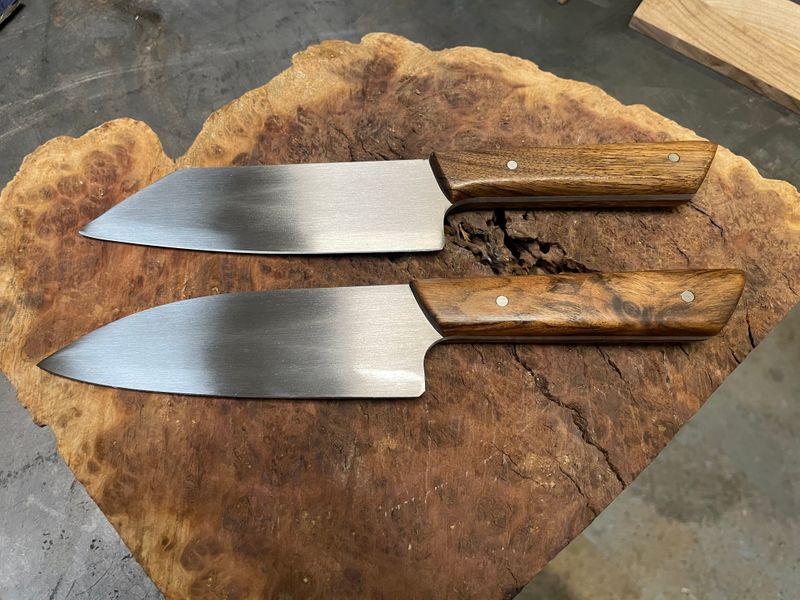
A mirror polish blade is finished to a highly reflective, glass-like shine. This labor-intensive process involves progressively finer abrasives and polishing compounds, resulting in a surface that is almost flawless to the naked eye. The result is a blade that looks stunning and feels smooth to the touch.
- Visual Appeal: The high-gloss finish is often associated with luxury and craftsmanship. Collectors and high-end chefs appreciate the striking appearance.
- Corrosion Resistance: The ultra-smooth surface reduces the number of microscopic crevices where moisture and contaminants can settle, making it easier to clean and slightly more resistant to rust.
- Maintenance: While easier to wipe clean, mirror finishes show fingerprints, smudges, and scratches more readily than other finishes. Regular upkeep is required to maintain the pristine look.
- Performance: In practical use, the finish itself does not significantly affect cutting ability, but the smoothness can reduce drag when slicing through certain foods.
Mirror-polished blades are often chosen for presentation pieces, ceremonial knives, or as a statement of the maker’s skill. However, they may not be the best choice for heavy-duty or outdoor use where scratches and wear are inevitable.
Satin Finish Knives: Features and Benefits
A satin finish is achieved by sanding the blade in one direction with fine abrasives, resulting in a soft, matte sheen. This finish is less reflective than a mirror polish but still offers an attractive, professional look. Satin finishes are common on both production and custom knives due to their balance of aesthetics and practicality.
- Subtle Appearance: The muted shine hides fingerprints, smudges, and minor scratches, making it a popular choice for working knives and daily use.
- Grip and Handling: The slight texture of a satin finish can improve handling, especially when the blade is wet or greasy.
- Maintenance: Easier to maintain than a mirror polish, as imperfections are less noticeable and cleaning is straightforward.
- Corrosion Protection: While not as smooth as a mirror polish, a well-executed satin finish still offers some resistance to corrosion by minimizing deep grooves.
Satin finishes are favored by chefs and outdoorspeople who need a reliable, attractive blade that can withstand regular use without constant polishing.

Comparing Blade Finishes: Mirror Polish vs Satin Finish Knives
When weighing the pros and cons of mirror polish vs satin finish knives, it’s important to consider your intended use, maintenance preferences, and aesthetic priorities. Here’s a side-by-side comparison to help clarify the differences:
| Aspect | Mirror Polish | Satin Finish |
|---|---|---|
| Appearance | Highly reflective, glossy, luxury appeal | Matte, subtle, professional look |
| Scratch Visibility | Shows scratches and smudges easily | Hides minor marks and fingerprints |
| Maintenance | Requires frequent cleaning to maintain shine | Low-maintenance, easy to keep looking good |
| Corrosion Resistance | Very smooth, slightly better resistance | Good, but not as smooth as mirror polish |
| Best For | Collectors, display, fine dining | Everyday use, professional kitchens, outdoors |
Both finishes can be found on high-quality knives, and the choice often comes down to personal preference and intended use. If you’re interested in the forging process that leads to these finishes, learn how knives are forged for a deeper understanding of blade craftsmanship.
How Blade Finish Impacts Performance and Care
While the finish does not directly affect cutting performance, it can influence how a knife feels in use and how much effort is required to keep it in top condition. Mirror-polished blades may glide more smoothly through certain foods, but they demand more attention to stay spotless. Satin finishes are more forgiving in busy kitchens or outdoor environments, where scratches and marks are inevitable.
For those who value a pristine look and don’t mind the extra work, a mirror polish can be a rewarding choice. If practicality and ease of care are higher priorities, a satin finish is likely the better option.
Choosing the Right Blade Finish for Your Needs
When deciding between these two finishes, consider the following:
- Purpose: Is the knife for display, collection, or daily use?
- Maintenance: Are you willing to polish and clean frequently, or do you prefer a finish that hides wear?
- Environment: Will the knife be used in a professional kitchen, outdoors, or at home?
- Budget: Mirror-polished knives often cost more due to the labor involved.
For those interested in the broader world of blade design, our article on forged knife blade shapes explores how different profiles impact performance, which can further inform your decision.
Frequently Asked Questions
Which blade finish is easier to maintain?
Satin finishes are generally easier to maintain because they hide fingerprints, smudges, and small scratches. Mirror-polished blades require more frequent cleaning and careful handling to preserve their shine.
Does the finish affect cutting performance?
The finish itself has minimal impact on cutting ability. However, a smoother surface (like a mirror polish) can reduce drag when slicing, while a satin finish may offer better grip and control in wet conditions.
Are mirror-polished knives more resistant to rust?
The ultra-smooth surface of a mirror polish can offer slightly better resistance to corrosion, as there are fewer places for moisture to settle. However, both finishes require proper care and drying to prevent rust, especially on high-carbon steels.
Why do some chefs prefer satin finishes?
Many professionals choose satin finishes because they are practical for daily use, easy to maintain, and less likely to show wear from frequent cleaning and chopping.
Can a satin finish be converted to a mirror polish?
Yes, with the right abrasives and polishing compounds, a satin blade can be polished to a mirror finish. This process is time-consuming and requires skill to achieve an even, flawless result.
Whether you’re selecting a new kitchen tool or adding to your collection, understanding the differences between these blade finishes will help you make an informed choice. For those interested in restoring older blades, our guide on restoring old forged knives provides practical advice for bringing vintage knives back to life.