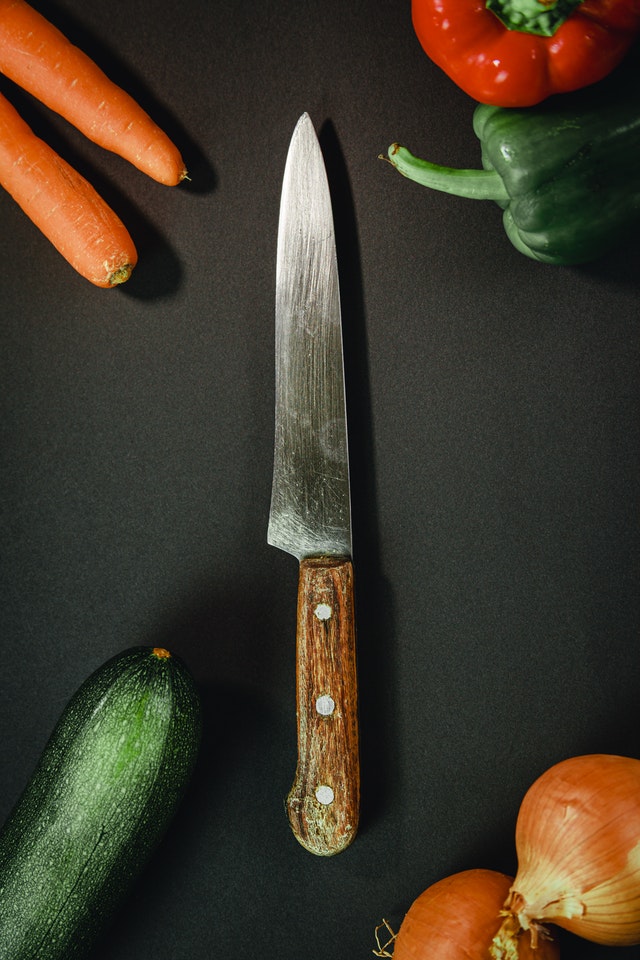

The world of hand forged knife trends is evolving rapidly, blending centuries-old craftsmanship with modern innovation and consumer preferences. Wheth…
Tag: Tips
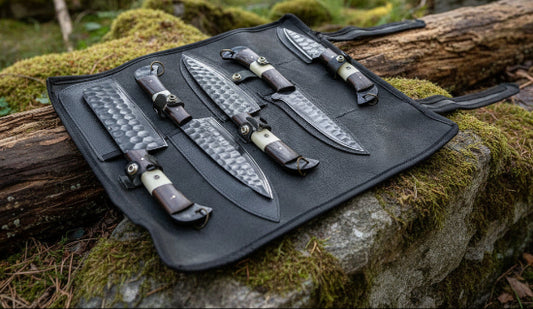
Ultimate Hand Forged Knives Guide: Master the Blade
A well-made knife is more than just a tool—it’s a blend of craftsmanship, tradition, and utility. For enthusiasts, chefs, and collectors alike, …

What Are Hand Forged Knives? Definition & Benefits
Hand forged knives have long been prized by chefs, collectors, and outdoor enthusiasts for their craftsmanship, durability, and unique character. Unli…
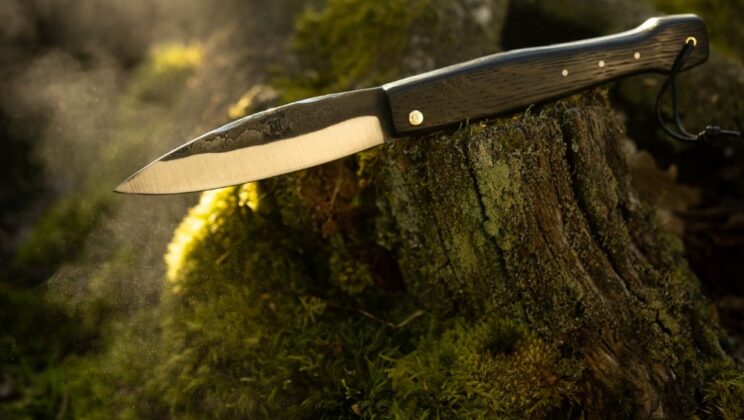
Knife Sharpness in Forged Knives: Ultimate Edge Guide
Maintaining a razor-sharp edge is essential for anyone who values performance in the kitchen or outdoors. The sharpness of a forged knife is not just …
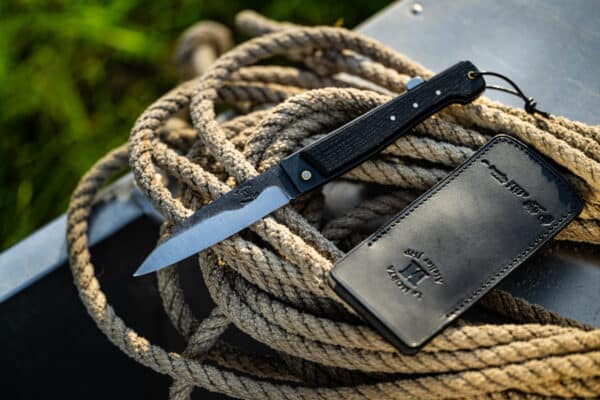
Bone Handle Forged Knives: Traditional Aesthetics
For centuries, bone handle forged knives have stood as a symbol of craftsmanship, blending time-honored techniques with natural materials. These knive…

Butcher Shop Forged Knives Usage: Meat Cutting Guide
Butcher shop forged knives usage is a topic that matters to anyone who values precision and efficiency in meat preparation. Whether you’re a pro…
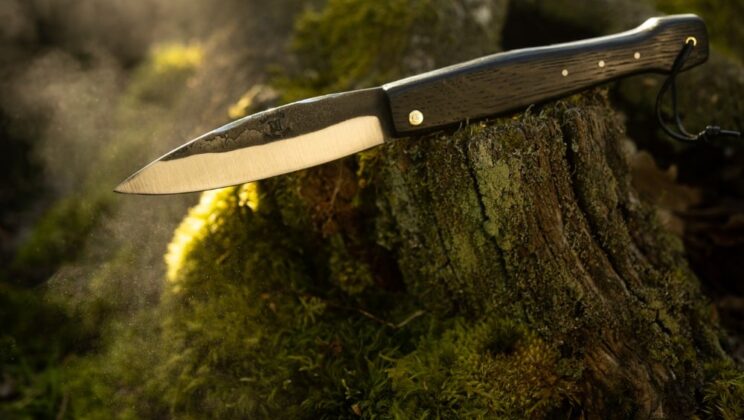
Steel Normalization Process Knives: Grain Refining
The art and science of knife making depend heavily on the properties of the steel used. One of the most important thermal treatments in this craft is …
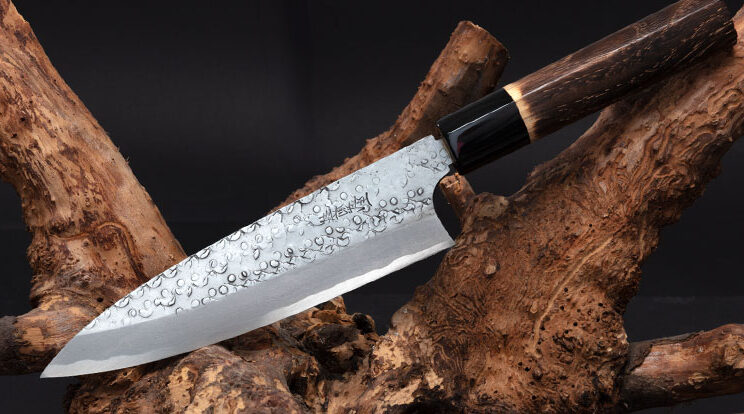
Knife Grinding After Forging: Shaping the Edge
Forging a knife is only the beginning of the blade-making journey. Once the steel has been heated, hammered, and roughly formed, the next crucial step…
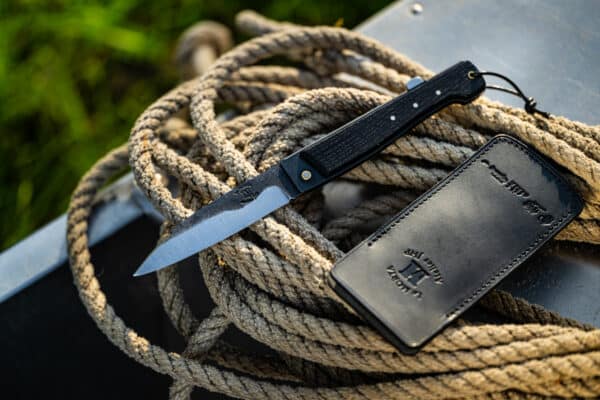
Heat Treatment Ovens for Knives: Temperature Control
Precision in blade making relies heavily on the ability to manage heat accurately. For anyone working with steel blades, understanding the role of hea…
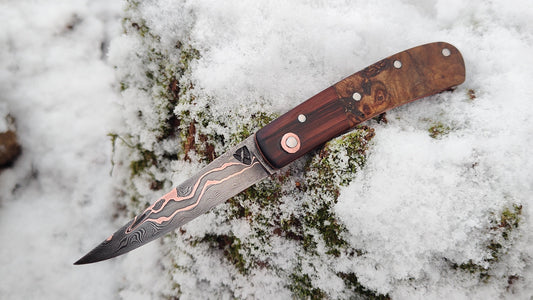
How Knife Blades Are Heat Treated for Maximum Strength
Understanding how knife blades are heat treated is essential for anyone interested in knife making, metallurgy, or simply owning a high-quality kitche…