Maintaining a razor-sharp edge is essential for anyone who values performance in the kitchen or outdoors. The sharpness of a forged knife is not just about slicing efficiency—it also impacts safety, food presentation, and the longevity of your blade. Forged knives, crafted through a process of heating and hammering steel, are renowned for their durability and edge retention. Understanding what makes these knives excel in sharpness, and how to keep them at peak performance, can elevate your experience whether you’re a chef, home cook, or collector.
In this guide, we’ll break down the factors that influence knife sharpness in forged knives, compare them to other types of blades, and provide actionable tips for maintaining the ultimate edge. We’ll also point you to resources like this blade forging tutorial by a master smith for those interested in the craft behind these exceptional tools.
What Sets Forged Blades Apart in Edge Retention
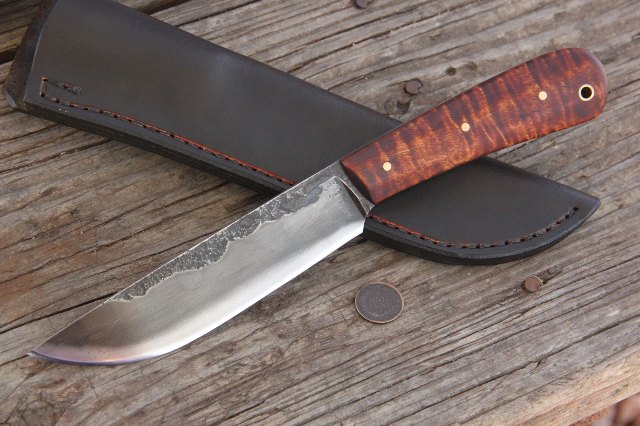
Forged knives are created by heating a single piece of steel and shaping it through force. This traditional method results in a denser, more uniform grain structure, which directly impacts the blade’s ability to hold a sharp edge. The forging process aligns the steel’s molecules, making the blade tougher and less prone to chipping or rolling during use.
Compared to stamped knives, which are cut from flat sheets of steel, forged blades often feature a thicker spine, a pronounced bolster, and a more balanced feel. These characteristics contribute to both the strength and the sharpness of the edge. The meticulous craftsmanship involved in forging also allows for finer control over the blade’s geometry, which is crucial for achieving and maintaining a keen edge.
Key Factors Influencing Knife Sharpness in Forged Knives
Several elements play a role in how sharp and durable a forged knife’s edge can be. Let’s explore the most important factors:
- Steel Composition: High-carbon steels are favored for their hardness and ability to take a fine edge, though they require more maintenance to prevent rust. Stainless steels offer corrosion resistance but may sacrifice a bit of sharpness retention.
- Heat Treatment: Proper heat treatment during forging ensures the steel reaches optimal hardness and toughness. This process is critical for edge longevity and ease of sharpening.
- Edge Geometry: The angle and thickness of the blade’s edge affect both sharpness and durability. Forged knives often feature a more acute angle, allowing for a sharper edge that can handle demanding tasks.
- Blade Maintenance: Regular honing and periodic sharpening are essential to keep the edge performing at its best. Even the finest forged blade will dull with use if not properly cared for.
How to Test and Maintain a Razor-Sharp Edge
Assessing the sharpness of your forged knife is straightforward. Common methods include slicing through paper, shaving hair from your arm, or gently running the blade across a tomato’s skin. A truly sharp edge will glide through these materials with minimal resistance.
To maintain peak sharpness, follow these steps:
- Hone Regularly: Use a honing rod before or after each use to realign the edge and prevent dulling.
- Sharpen as Needed: Depending on use, sharpen your knife with a whetstone or professional service every few months. Forged blades respond well to traditional sharpening techniques.
- Clean and Dry: Always wash and thoroughly dry your knife after use to prevent corrosion, especially if it’s made from high-carbon steel.
- Store Properly: Use a knife block, magnetic strip, or blade guard to protect the edge from nicks and impacts.
Forged vs. Stamped Knives: Sharpness and Performance
While both forged and stamped knives can be sharp, forged blades generally offer superior edge retention and strength. The forging process produces a denser blade, which resists deformation and holds a keen edge longer under heavy use. Stamped knives, being thinner and lighter, may feel sharper out of the box but tend to dull more quickly and are more susceptible to bending or chipping.
For those who value long-term performance and reliability, investing in a forged knife is often the preferred choice. The initial cost may be higher, but the benefits in sharpness and durability pay off over time.
Common Mistakes That Dull Forged Knife Edges
Even the best-forged blade can lose its edge prematurely if not handled correctly. Here are some frequent mistakes to avoid:
- Cutting on Hard Surfaces: Avoid using glass, stone, or metal cutting boards. Opt for wood or plastic to protect the edge.
- Improper Cleaning: Dishwashers and harsh detergents can damage both the blade and handle. Hand-wash only.
- Neglecting Regular Honing: Skipping this step allows the edge to roll or become misaligned, making sharpening more difficult later.
- Using the Knife for the Wrong Tasks: Don’t use your forged chef’s knife to cut bones, frozen foods, or pry open containers. This can chip or deform the edge.
Expert Tips for Maximizing Edge Longevity
To get the most out of your forged knife’s sharpness, consider these expert recommendations:
- Invest in a quality honing rod and learn proper technique to maintain the edge between sharpenings.
- Sharpen your knife at the correct angle, typically between 15–20 degrees for most forged blades.
- Store knives in a way that prevents contact with other utensils or surfaces.
- Regularly inspect the blade for chips, rolls, or corrosion, addressing issues promptly to prevent further damage.
- For those interested in the forging process and advanced maintenance, resources like the blade forging tutorial by Jim Saviano offer in-depth guidance.
FAQ: Knife Sharpness and Forged Blades
How often should I sharpen a forged knife?
Sharpening frequency depends on usage, but most forged knives benefit from sharpening every 2–6 months. Regular honing can extend the time between sharpenings by keeping the edge aligned.
What is the best way to test if my knife is still sharp?
Try slicing through a sheet of paper or a ripe tomato. If the blade glides through easily without tearing or crushing, it’s still sharp. If it struggles, it’s time to hone or sharpen.
Can I use a forged knife for all kitchen tasks?
While forged knives are versatile and durable, it’s best to use the right blade for each job. Avoid using your chef’s knife for tasks like cutting bones or frozen foods, as this can damage the edge.
Does the type of steel affect edge sharpness?
Yes, high-carbon steels tend to hold a sharper edge longer but require more care to prevent rust. Stainless steels are easier to maintain but may need more frequent sharpening.
Are forged knives worth the investment?
For those who value performance, durability, and long-term sharpness, forged knives are an excellent investment. Their superior construction and edge retention make them a favorite among professionals and enthusiasts alike.