A well-made knife is more than just a tool—it’s a blend of craftsmanship, tradition, and utility. For enthusiasts, chefs, and collectors alike, understanding the world of hand forged knives opens up a new appreciation for quality and performance. This hand forged knives guide explores the artistry, materials, and practical considerations that set these blades apart from mass-produced options.
Whether you’re looking to invest in your first artisan blade or want to deepen your knowledge, this article covers the essentials: how these knives are made, what makes them unique, how to choose the right one, and how to care for your investment. If you’re curious about the forging process itself, check out this in-depth explanation of traditional forging techniques for further reading.
What Sets Hand Forged Knives Apart?
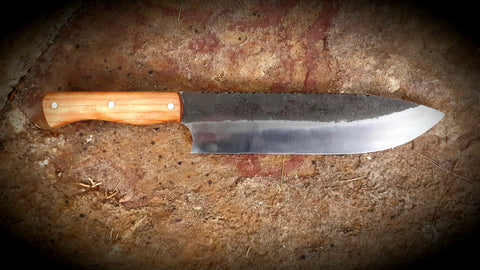
The distinction between hand-forged and factory-made blades is significant. Hand forged knives are crafted by skilled artisans who heat, hammer, and shape steel using time-honored methods. This process results in a blade with a unique grain structure, superior edge retention, and a distinct character. Unlike stamped knives, each hand-forged piece is slightly different, reflecting the maker’s touch.
Key advantages include:
- Durability: The forging process aligns the steel’s grain, increasing strength and resilience.
- Edge retention: Properly forged blades hold a sharp edge longer, reducing the need for frequent sharpening.
- Balance and feel: Artisans can fine-tune the weight and balance, resulting in a knife that feels natural in the hand.
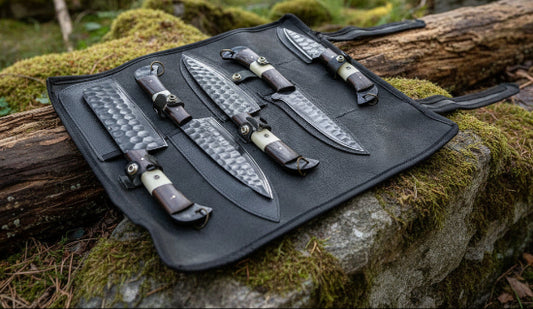
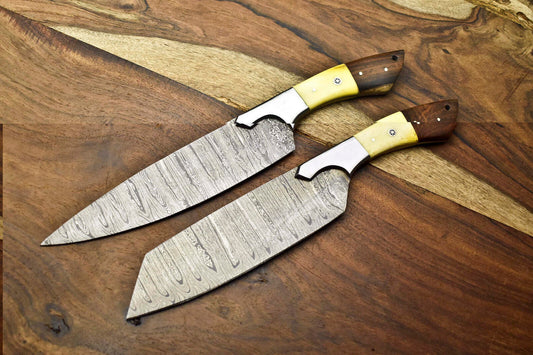
- Unique aesthetics: Patterns from forging, such as Damascus or hammered finishes, make each knife visually distinct.
Understanding the Forging Process
To appreciate the value of a hand-forged blade, it’s helpful to understand the steps involved. The process typically includes:
- Heating: High-carbon steel is heated in a forge until it becomes malleable.
- Hammering: The smith shapes the blade by hand, using a hammer and anvil to refine the profile and thickness.
- Normalizing: The blade is reheated and cooled to relieve internal stresses, improving toughness.
- Grinding: After forging, the blade is ground to its final shape, and the edge is established.
- Heat treating: Hardening and tempering ensure the blade achieves the right balance of hardness and flexibility.
- Finishing: The handle is fitted, and the blade is polished, etched, or given a unique finish.
This labor-intensive approach produces knives that are not only functional but also works of art.
Types of Hand Forged Blades
There are several styles and purposes for hand-forged knives, each suited to specific tasks. Some of the most popular categories include:
- Chef’s knives: Versatile and essential for kitchen prep, these blades excel at slicing, dicing, and chopping.
- Utility knives: Smaller and more agile, ideal for precise tasks like trimming or peeling.
- Bowie knives: Large, robust blades favored for outdoor use and hunting.
- Paring knives: Compact and sharp, perfect for detail work and delicate cuts.
- Specialty knives: Includes cleavers, fillet knives, and Japanese styles like Santoku or Nakiri, each with unique shapes and uses.
When choosing a blade, consider the intended use and the handle design, as comfort and grip are just as important as the steel itself.
Materials and Steel Choices in Forged Knives
The choice of steel is a defining factor in any knife’s performance. Common options include:
- High-carbon steel: Known for exceptional sharpness and edge retention, but requires regular maintenance to prevent rust.
- Stainless steel: Offers corrosion resistance and easier care, though some blends may sacrifice a bit of edge longevity.
- Damascus steel: Created by layering and forging multiple steels, resulting in a distinctive wavy pattern and a balance of toughness and beauty.
Handles are often crafted from hardwood, stabilized resin, bone, or micarta. Each material affects the knife’s weight, grip, and aesthetics.
How to Choose the Right Hand Forged Knife
Selecting the best forged blade depends on your needs, preferences, and budget. Here are some tips to guide your decision:
- Purpose: Identify what you’ll use the knife for most—cooking, outdoor activities, or collection.
- Balance and ergonomics: Hold the knife if possible. It should feel comfortable, with weight distributed evenly between blade and handle.
- Blade shape and length: Match the blade profile to your primary tasks. Chef’s knives are typically 8–10 inches, while paring knives are much shorter.
- Steel type: Consider how much maintenance you’re willing to do. High-carbon blades need more care but reward with sharpness.
- Craftsmanship: Look for clean grinds, a well-fitted handle, and attention to detail. Reputable makers often provide guarantees or signatures.
Investing in a quality hand-forged knife can elevate your cooking or outdoor experience, providing a tool that lasts for generations.
Care and Maintenance Tips
Proper care extends the life and performance of your forged blade. Here are essential maintenance steps:
- Hand wash only: Avoid dishwashers, which can damage both blade and handle.
- Dry immediately: Prevent rust by drying the knife right after washing.
- Store safely: Use a knife block, magnetic strip, or blade guard to protect the edge.
- Regular honing: Use a honing rod to maintain the edge between sharpenings.
- Sharpen as needed: When the blade dulls, sharpen with a whetstone or have it professionally serviced.
- Oil high-carbon blades: Apply a light coat of food-safe oil to prevent corrosion.
With these habits, your hand-forged knife will remain sharp, safe, and beautiful for years to come.
Frequently Asked Questions
- Are hand-forged knives better than machine-made knives?
- Hand-forged blades often offer superior durability, edge retention, and unique aesthetics compared to mass-produced knives. The forging process aligns the steel’s grain for added strength, and the craftsmanship involved typically results in a more balanced and comfortable tool.
- How do I know if a knife is truly hand-forged?
- Authentic hand-forged knives usually display subtle hammer marks, unique patterns, and slight variations from knife to knife. Reputable makers will often provide details about their process and may sign or mark their work.
- What is the best steel for a hand-forged kitchen knife?
- High-carbon steel is favored for its sharpness and edge retention, but it requires more maintenance. Stainless steel offers easier care and corrosion resistance. Damascus steel combines aesthetics with performance, but the best choice depends on your intended use and willingness to maintain the blade.
Exploring the world of hand forged knives reveals a fascinating blend of tradition, skill, and utility. Whether you’re a chef, collector, or outdoor enthusiast, investing in a quality forged blade can provide a lifetime of reliable service and satisfaction.