Understanding how knife blades are heat treated is essential for anyone interested in knife making, metallurgy, or simply owning a high-quality kitchen tool. The process of heat treating transforms a simple piece of steel into a durable, sharp, and reliable blade. This guide explores the science and steps behind heat treatment, highlighting why it is a critical factor in a knife’s performance and longevity.
Heat treatment involves carefully controlled heating and cooling cycles that alter the internal structure of the steel. These changes give the blade its desired balance of hardness, toughness, and flexibility. Whether you are a professional bladesmith or a curious enthusiast, learning about these methods will deepen your appreciation for the craftsmanship behind every great knife.
For a detailed look at traditional Japanese blade crafting, you can visit the Sakai knife making process overview for more insights into artisanal techniques.
The Importance of Heat Treatment in Blade Making
Heat treatment is the backbone of knife blade manufacturing. Without it, even the best steel would remain soft, prone to dulling, and susceptible to breaking. The process is designed to optimize the steel’s microstructure, ensuring the blade can hold a sharp edge while resisting chipping or bending during use.
Properly treated blades offer:
- Increased hardness for edge retention
- Improved toughness to prevent fractures
- Enhanced flexibility to absorb impact without snapping
Each type of steel and intended knife use requires a tailored approach to heat treatment. This is why the process is both a science and an art, demanding precision and experience from the maker.
Key Steps in the Heat Treatment Process
The journey from raw steel to a finished blade involves several crucial stages. Let’s break down the main steps involved in heat treating knife blades for optimal performance:
1. Normalizing
Normalizing is the first step after forging or shaping the blade. The steel is heated to a specific temperature, usually above its critical point, and then allowed to cool in still air. This process refines the grain structure, relieves internal stresses, and prepares the blade for the next stages.
2. Hardening
Hardening is the most dramatic transformation in knife blade heat treatment. The blade is heated to a high temperature (often between 800°C and 900°C, depending on the steel type) and then rapidly cooled, typically by quenching in oil or water. This rapid cooling locks the steel’s structure into a hard, brittle phase known as martensite.
While this step gives the blade its necessary hardness, it also makes it brittle. Without further treatment, the blade could easily chip or crack under stress.
3. Tempering
Tempering is the process that brings balance to the blade. After hardening, the blade is reheated to a lower temperature (typically between 150°C and 300°C) and held there for a set period. This reduces brittleness while maintaining much of the hardness gained during quenching. The result is a blade that is both strong and resilient.
4. Additional Steps: Cryogenic Treatment and Stress Relief
Some high-end knives undergo additional treatments such as cryogenic processing, where the blade is cooled to sub-zero temperatures to further refine the steel’s structure. Stress relief cycles may also be used to ensure the blade remains stable and durable over time.
Factors Influencing the Heat Treatment Process
Several variables affect the outcome of knife blade heat treatment:
- Steel Composition: Different alloys respond uniquely to heat treatment. High-carbon steels, stainless steels, and tool steels each require specific protocols.
- Temperature Control: Precise temperature management is crucial. Overheating or underheating can ruin the blade’s properties.
- Quenching Medium: The choice between oil, water, or air quenching impacts the speed of cooling and the final hardness.
- Blade Geometry: Thicker blades may cool more slowly, affecting the uniformity of the treatment.
Experienced bladesmiths carefully monitor these factors to achieve the desired balance of properties in each knife.
Common Mistakes and How to Avoid Them
Even small errors during heat treatment can compromise a blade’s quality. Here are some frequent pitfalls and tips to avoid them:
- Uneven Heating: Inconsistent temperature across the blade can lead to warping or weak spots. Use a well-calibrated forge or kiln.
- Improper Quenching: Quenching too quickly or slowly can cause cracks or insufficient hardness. Match the quenching method to the steel type.
- Skipping Tempering: Failing to temper after hardening leaves the blade brittle and prone to breakage.
- Contamination: Oils, scale, or other contaminants on the blade can interfere with the process. Always clean the blade thoroughly before heat treatment.
Visual Guide: The Transformation of Steel
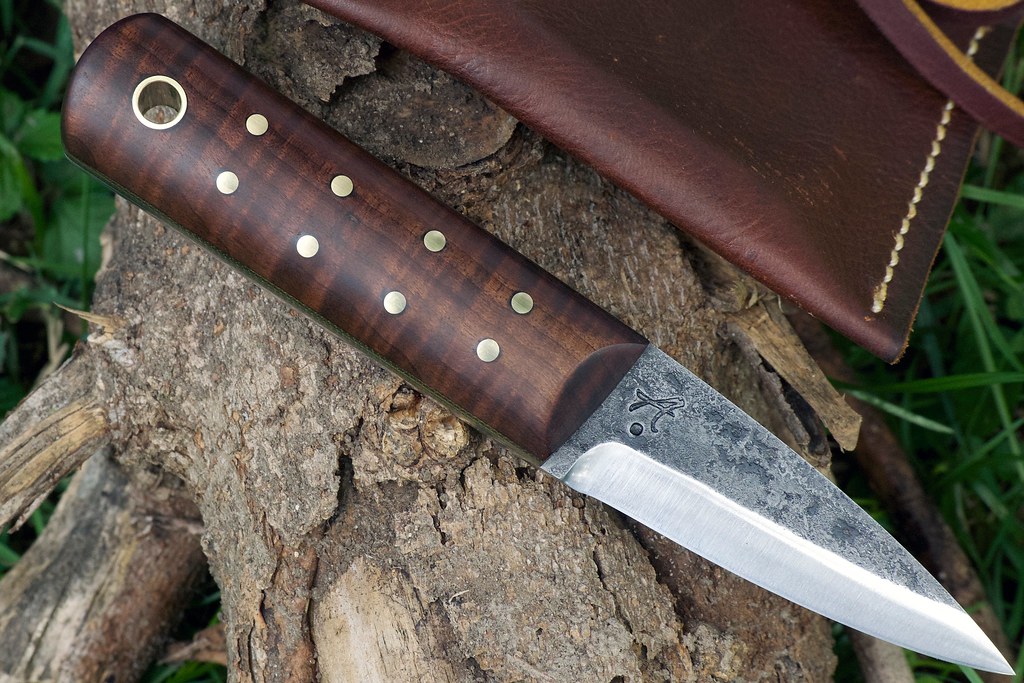
Seeing the process in action helps to appreciate the craftsmanship involved. The following image shows a blade being heated, a critical stage in the transformation from raw steel to a finished tool.
Modern Innovations in Blade Heat Treatment
While traditional methods remain popular, modern technology has introduced new tools and techniques for heat treating knife blades. Computer-controlled kilns, precision thermocouples, and advanced quenching media allow for greater consistency and repeatability. Some manufacturers use proprietary heat treatment cycles to achieve unique performance characteristics, setting their blades apart in the market.
Despite these advances, the fundamentals remain unchanged: careful heating, controlled cooling, and expert tempering are still the keys to producing a blade that performs at the highest level.
Frequently Asked Questions
What is the main purpose of heat treating a knife blade?
The primary goal is to optimize the steel’s hardness, toughness, and flexibility, ensuring the blade can hold a sharp edge while resisting breakage and wear.
Can you heat treat a knife blade at home?
It is possible to heat treat simple carbon steel blades at home using a propane forge or even a torch, but achieving consistent results requires careful temperature control and practice. For best results, many hobbyists use temperature-controlled ovens or kilns.
Does every type of steel require the same heat treatment process?
No, different steels have unique chemical compositions and require tailored heat treatment cycles. Always consult the manufacturer’s guidelines or reputable resources for the specific steel you are working with.
Conclusion
Mastering how knife blades are heat treated is fundamental to producing high-performance knives. The process involves a blend of science, experience, and attention to detail, ensuring each blade achieves the right combination of hardness and toughness. Whether you are a collector, a chef, or a maker, understanding these principles will help you choose and care for your blades with confidence.