
The world of hand forged knife trends is evolving rapidly, blending centuries-old craftsmanship with modern innovation and consumer preferences. Whether you’re a collector, chef, or outdoor enthusiast, understanding what’s shaping today’s market can help you make informed choices and appreciate the artistry behind each blade. This article explores the latest developments, materials, and design influences driving demand for hand-forged knives, while offering practical insights for buyers and enthusiasts.
As interest in artisanal goods grows, so does the appeal of knives made by skilled smiths. These blades are more than just tools—they’re functional works of art, valued for their durability, unique appearance, and the story behind their creation. To get a deeper look at how these knives are crafted, you can explore the process of hand-forging knives from raw steel to finished product.
What’s Driving the Surge in Hand-Forged Knife Popularity?
Several factors are contributing to the rising interest in hand-forged blades. Consumers are increasingly seeking authenticity, quality, and items with a personal touch. Unlike mass-produced knives, each hand-forged piece is unique, often showcasing the individual style of the maker. This connection to tradition and craftsmanship resonates with buyers who value both function and form.
Additionally, the influence of cooking shows, social media, and the rise of home cooking have spotlighted the importance of quality kitchen tools. Chefs and hobbyists alike are turning to hand-forged knives for their superior edge retention, balance, and aesthetics. Outdoor enthusiasts and collectors are also drawn to these knives for their reliability and the heritage they represent.
Key Materials and Techniques in Modern Bladesmithing
Today’s hand forged knife trends reflect a blend of traditional materials and innovative approaches. High-carbon steels remain a favorite for their hardness and ability to hold a sharp edge. However, modern smiths are experimenting with alloys and forging techniques to enhance performance and appearance.
Damascus steel, known for its distinctive wavy patterns, continues to be highly sought after. The process of layering and folding different steels not only creates a visually striking blade but also improves toughness and flexibility. Some makers incorporate reclaimed or exotic materials, such as shipwreck steel or meteorite, to add a unique story to each knife.
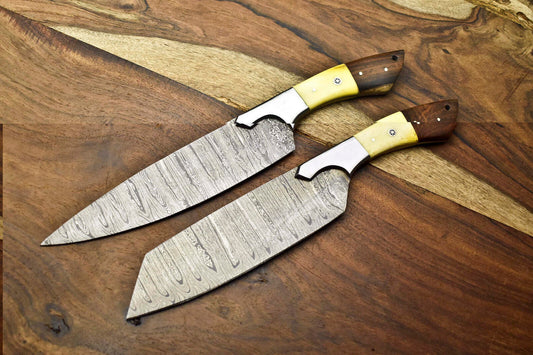
Handles are another area where trends are shifting. Makers are using stabilized woods, resin composites, and even hybrid materials to create grips that are both ergonomic and visually appealing. The result is a knife that feels balanced in the hand and stands out in any collection or kitchen.
Design Influences and Aesthetic Trends
Modern bladesmiths are drawing inspiration from a wide range of sources, including historical designs, regional styles, and contemporary art. Japanese-inspired chef’s knives, such as gyutos and santokus, are especially popular for their thin profiles and precision cutting ability. Scandinavian and American frontier styles are also making a comeback, favored for their ruggedness and practicality.
Customization is a hallmark of today’s market. Buyers can often request specific blade shapes, handle materials, and decorative elements like filework or mosaic pins. Makers may add their own signature touches, such as etched logos or hand-carved details, further enhancing the knife’s uniqueness.
Functionality Meets Artistry in the Current Market
While beauty is a significant factor, performance remains paramount. The best hand-forged knives are designed for real-world use, whether in the kitchen, outdoors, or as part of a collection. Features like full tang construction, precise heat treatment, and careful balance ensure these knives are as functional as they are attractive.
Collectors and users alike appreciate the blend of utility and artistry. A well-made hand-forged knife can last a lifetime, developing a patina and character unique to its owner’s use. This longevity and personal connection are key reasons why so many are turning to hand-forged options over factory-made blades.
How to Choose a Hand-Forged Knife That Fits Your Needs
With so many options available, selecting the right knife can be a challenge. Here are some practical tips to help you find a blade that matches your requirements and preferences:
- Determine Your Purpose: Are you looking for a chef’s knife, a hunting blade, or a collectible piece? Each use case calls for different blade shapes, sizes, and materials.
- Research the Maker: Look for smiths with a reputation for quality and transparency about their materials and processes. Many artisans share their forging methods and philosophies online, helping you make an informed decision.
- Assess Materials and Construction: High-carbon steels offer excellent edge retention, while stainless options are easier to maintain. Consider handle comfort, balance, and overall weight.
- Set a Budget: Hand-forged knives can range from affordable to investment-grade. Decide how much you’re willing to spend and compare options within your price range.
- Look for Warranty or Maker’s Guarantee: Many reputable smiths stand behind their work, offering repairs or replacements if issues arise.
Care and Maintenance for Hand-Forged Blades
Proper care is essential to preserve the performance and appearance of your hand-forged knife. Most high-carbon blades require regular cleaning and drying to prevent rust. Applying a light coat of food-safe oil can help protect the metal, especially if the knife is not used daily.
Sharpening should be done with whetstones or professional tools to maintain the original edge geometry. Avoid dishwashers and harsh detergents, as these can damage both the blade and handle materials. With the right maintenance, a hand-forged knife can serve you well for decades.
FAQ: Common Questions About Hand-Forged Knife Trends
Are hand-forged knives better than factory-made knives?
Hand-forged knives often offer superior craftsmanship, unique designs, and better edge retention compared to mass-produced blades. However, the best choice depends on your needs, preferences, and budget. Many users find that the personal touch and quality of a hand-forged knife make it a worthwhile investment.
What makes Damascus steel so popular in custom knives?
Damascus steel is valued for its distinctive patterns and combination of toughness and flexibility. The process of layering and folding different steels creates a blade that is both beautiful and functional, making it a favorite among collectors and chefs alike.
How can I tell if a knife is truly hand-forged?
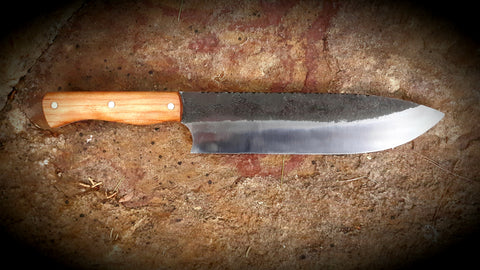
Authentic hand-forged knives often display subtle hammer marks, unique patterns, and slight variations that distinguish them from factory-made blades. Reputable makers are transparent about their processes and materials, and many share photos or videos of their work to demonstrate authenticity.