Hand forged knives have long been prized by chefs, collectors, and outdoor enthusiasts for their craftsmanship, durability, and unique character. Unlike mass-produced blades, these knives are shaped and refined by skilled artisans using traditional forging methods. Understanding the process and advantages of hand forging can help you appreciate why these blades stand out in both performance and aesthetics.
In this guide, you’ll learn what sets hand forged knives apart, how they are made, and the practical benefits they offer. We’ll also explore how to identify a hand forged blade and why many professionals consider them a worthwhile investment. For a deeper dive into the making and value of these knives, you can also read this detailed explanation of hand-forged knife craftsmanship.
Understanding the Hand Forging Process
The defining feature of hand forged knives is the way they are created. Instead of being stamped or laser-cut from a sheet of steel, each blade is individually shaped by heating steel to high temperatures and hammering it into form. This process, known as forging, has been used for centuries and is still favored by many custom knife makers today.
During forging, the steel is repeatedly heated and hammered, which compresses its grain structure. This results in a blade that is both strong and resilient. After shaping, the blade is ground, hardened, tempered, and finished by hand. The process is labor-intensive and requires a high level of skill, but it allows for precise control over the knife’s geometry and balance.
Key Characteristics of Hand Forged Blades
There are several features that distinguish hand forged knives from their factory-made counterparts:
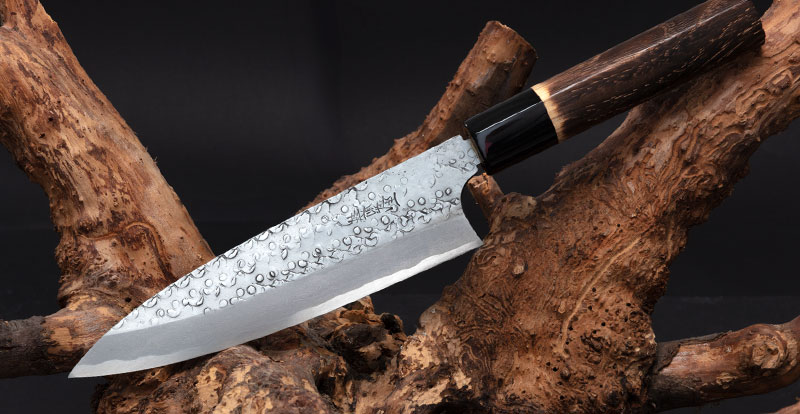
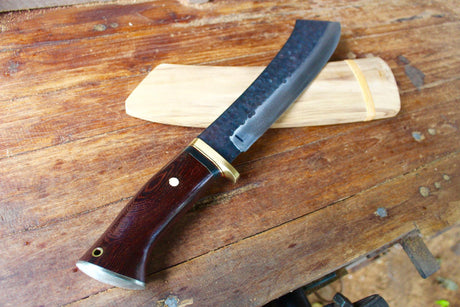
- Unique Patterns: The forging process often leaves subtle hammer marks or a visible grain on the blade, giving each knife a one-of-a-kind appearance.
- Superior Strength: The compression of the steel during forging enhances durability and toughness.
- Custom Geometry: Artisans can shape the blade to achieve optimal thickness, taper, and edge profile for specific uses.
- Balanced Feel: Hand forging allows for careful adjustment of weight distribution, resulting in a knife that feels comfortable and agile in the hand.
Benefits of Choosing Hand Forged Knives
Opting for a hand forged blade comes with several practical advantages:
- Edge Retention: The refined grain structure of forged steel helps the blade maintain a sharp edge for longer periods.
- Durability: These knives are less prone to chipping or breaking under stress, making them reliable for demanding tasks.
- Personalization: Many hand forged knives are custom-made, allowing buyers to select blade shapes, handle materials, and finishes that suit their preferences.
- Heritage and Craftsmanship: Each knife reflects the skill and tradition of its maker, often becoming a cherished tool passed down through generations.
For professional chefs, outdoor enthusiasts, and collectors, these benefits can make a significant difference in daily use and long-term satisfaction.
How to Identify a Hand Forged Knife
Spotting a hand forged knife involves looking for certain visual and tactile cues:
- Visible Hammer Marks: Subtle indentations or texture on the blade surface often indicate manual forging.
- Distal Taper: A gradual thinning from the spine to the edge and from the handle to the tip, achieved through skilled forging.
- Integral Bolster or Tang: Many forged knives feature a bolster or tang that is part of the same piece of steel as the blade, rather than being welded or attached separately.
- Unique Finish: The finish may be less uniform than mass-produced knives, with small variations that add character.
While some high-end factory knives mimic these features, genuine hand forged blades typically display a level of individuality and craftsmanship that is hard to replicate.
Comparing Hand Forged and Factory-Made Knives
When considering a new knife, it’s helpful to compare the differences between hand forged and factory-made options:
| Feature | Hand Forged | Factory-Made |
|---|---|---|
| Manufacturing Process | Individually forged and shaped by hand | Stamped or laser-cut from steel sheets |
| Blade Strength | High, due to compressed grain structure | Varies; often less dense |
| Edge Retention | Excellent | Good to moderate |
| Customization | Highly customizable | Limited options |
| Cost | Generally higher | More affordable |
| Appearance | Unique, with visible forging marks | Uniform, mass-produced look |
While factory-made knives can be a practical choice for everyday use, those seeking exceptional performance and artistry often gravitate toward hand forged blades.
Maintaining and Caring for Hand Forged Knives
Proper care is essential to preserve the quality and longevity of a hand forged knife. Here are some tips to keep your blade in top condition:
- Hand wash the knife with mild soap and dry immediately to prevent rust.
- Avoid using the knife on hard surfaces like glass or stone, which can damage the edge.
- Regularly hone the blade to maintain sharpness, and have it professionally sharpened as needed.
- Store the knife in a dry place, preferably in a sheath or on a magnetic strip to protect the edge.
- If the blade is made from high-carbon steel, apply a light coat of food-safe oil to prevent corrosion.
With the right maintenance, a quality hand forged knife can last for decades and even improve with age.
Frequently Asked Questions
Are hand forged knives better than machine-made knives?
Hand forged knives are often considered superior in terms of strength, edge retention, and craftsmanship. The forging process results in a denser, more resilient blade, and the attention to detail allows for better balance and customization. However, the best choice depends on your needs and budget.
How can I tell if a knife is truly hand forged?
Look for signs such as visible hammer marks, a distal taper, and an integral bolster or tang. The overall finish may also show subtle irregularities that indicate handwork. If in doubt, consult the maker or retailer for details about the manufacturing process.
Why do hand forged knives cost more?
The higher price reflects the time, skill, and labor involved in forging each blade by hand. Materials are often of premium quality, and the process allows for greater customization. For many, the investment is justified by the knife’s performance, durability, and unique character.
Conclusion
Hand forged knives represent a blend of tradition, skill, and functionality. Their unique construction process results in blades that are not only visually striking but also exceptionally durable and effective. Whether you’re a professional chef or a home cook, investing in one of these knives can elevate your culinary experience and provide a tool that lasts a lifetime.