Butcher shop forged knives usage is a topic that matters to anyone who values precision and efficiency in meat preparation. Whether you’re a professional butcher, a chef, or a home cook aiming for the best results, understanding how to select and use these specialized blades can make a significant difference. Forged knives, crafted through traditional methods, offer durability, balance, and sharpness that are essential for tackling various cuts of meat. This guide explores the practical aspects of using forged blades in a butcher shop setting, including tips for selection, maintenance, and safe handling.
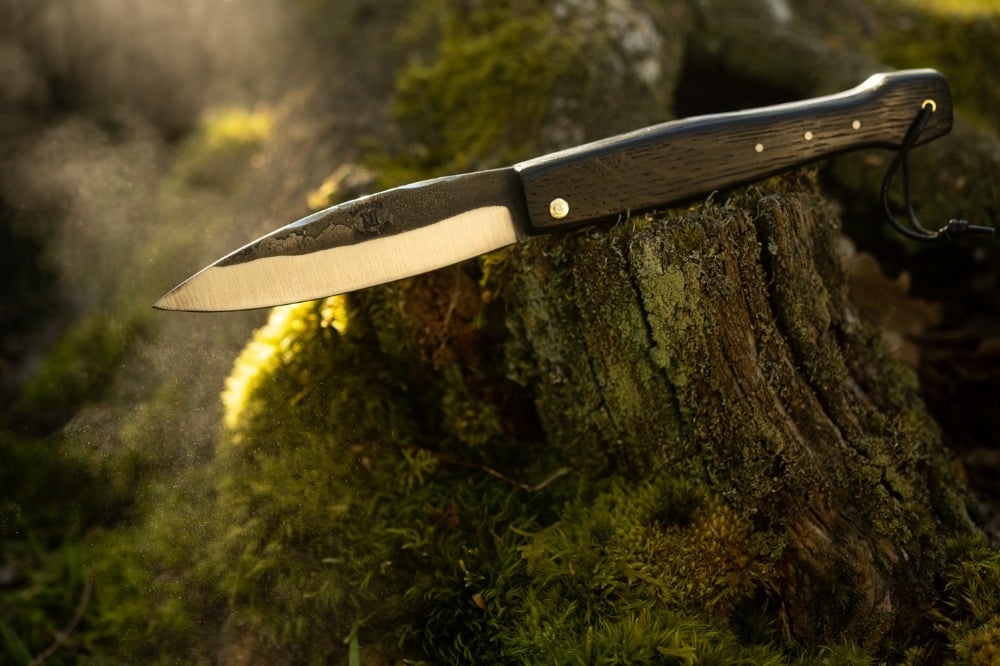
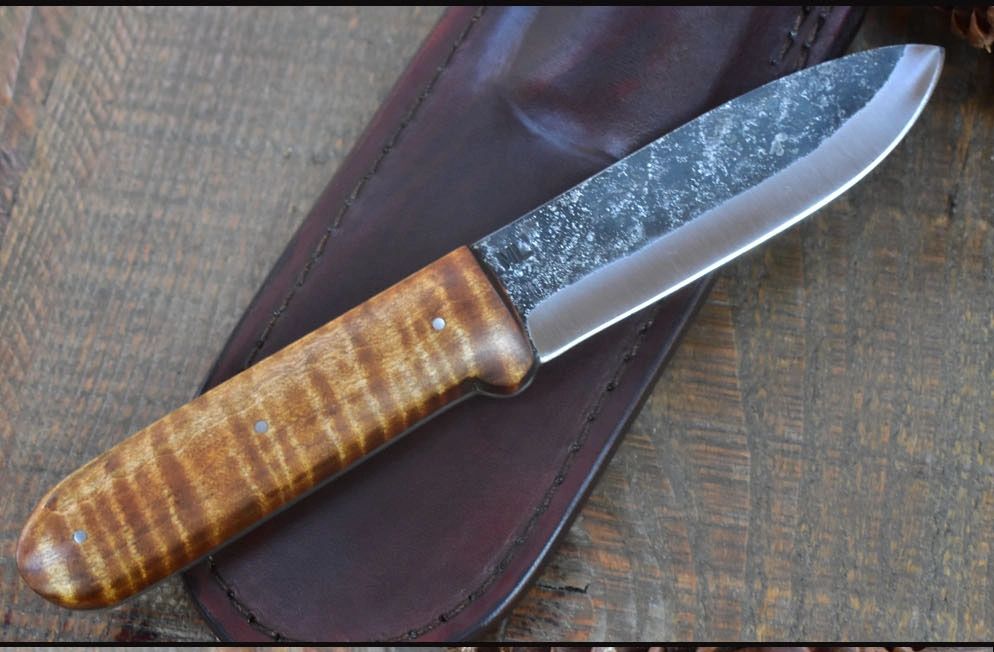
Before diving into the details, it’s important to recognize the craftsmanship behind these tools. Forged knives are made by heating and hammering steel, resulting in a dense, strong blade with a unique character. Their construction sets them apart from stamped knives, providing a reliable edge for demanding tasks. To further understand the artistry and history behind forged blades, you may find it insightful to explore traditional blade-making techniques and how they influence modern butcher tools.
Understanding Forged Knives in the Butcher Shop
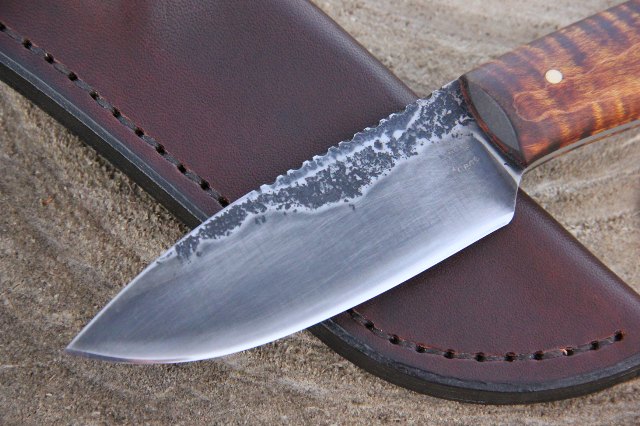
Forged knives are a staple in professional meat cutting environments. Their construction process involves heating a single piece of steel and shaping it under high pressure, which creates a robust and well-balanced tool. This method results in a thicker bolster and spine, giving the user greater control and stability during use.
In a butcher shop, forged knives are chosen for their ability to withstand heavy-duty tasks such as breaking down large cuts of meat, slicing through bone, and performing precise trimming. The weight and balance of these knives reduce fatigue and improve accuracy, making them ideal for repetitive or intricate work.
Types of Forged Knives and Their Uses
There are several types of forged knives commonly found in butcher shops, each designed for specific tasks. Understanding which knife to use for each job is crucial for efficiency and safety.
- Breaking Knife: With a curved blade, this knife is perfect for breaking down large sections of meat and separating joints.
- Boning Knife: A narrow, flexible blade allows for precise work around bones and joints, minimizing waste.
- Cimeter (Scimitar) Knife: Its long, curved blade is ideal for slicing steaks and roasts with clean, even cuts.
- Cleaver: A heavy, rectangular blade used for chopping through bone and cartilage.
- Chef’s Knife: Versatile and well-balanced, it handles a range of tasks from slicing to dicing and mincing.
Proper Techniques for Meat Cutting with Forged Blades
Using forged knives effectively requires attention to technique and safety. Here are some best practices for handling and cutting meat:
- Grip: Hold the knife with a firm, comfortable grip, placing your thumb and forefinger on either side of the blade’s bolster for control.
- Cutting Motion: Use smooth, deliberate strokes. Let the weight of the forged blade assist with the cut, reducing the need for excessive force.
- Angle: Maintain the correct angle for each cut—typically 15 to 20 degrees for slicing and trimming, and a more vertical approach for chopping through bone.
- Stabilize Meat: Secure the meat on a non-slip surface to prevent accidents and ensure even cuts.
- Rest Between Tasks: Take breaks to maintain focus and avoid fatigue, especially during long butchering sessions.
Maintaining Your Butcher Shop Forged Knives
Proper care extends the life and performance of your forged knives. Here’s how to keep them in top condition:
- Sharpen Regularly: Use a whetstone or honing rod to maintain a sharp edge. Dull knives are more dangerous and less effective.
- Hand Wash Only: Avoid dishwashers, as high heat and harsh detergents can damage the blade and handle.
- Dry Immediately: Prevent rust and corrosion by drying knives thoroughly after washing.
- Store Safely: Use a knife block, magnetic strip, or blade guard to protect the edge and prevent accidents.
- Inspect for Damage: Regularly check for chips, cracks, or loose handles, and address issues promptly.
Choosing the Right Forged Knife for the Job
Not all forged knives are created equal, and selecting the right one depends on the type of meat and the specific task. Here are some guidelines:
- For large cuts: Use a breaking or cimeter knife to portion primal cuts efficiently.
- For deboning: A flexible boning knife allows you to navigate around bones and joints with minimal waste.
- For poultry: A smaller, agile blade offers better maneuverability for delicate work.
- For chopping bones: A cleaver is essential for splitting through tough cartilage and bone.
- For general tasks: A chef’s knife provides versatility for slicing, dicing, and mincing.
When investing in forged knives, consider the handle comfort, blade length, and weight. A well-balanced knife reduces strain and improves control, especially during extended use.
Safety Tips for Handling Forged Blades
Safety is paramount when working with sharp, heavy knives. Follow these precautions to minimize risk:
- Always cut away from your body and keep fingers clear of the blade path.
- Use a sturdy, non-slip cutting board to prevent movement.
- Keep knives sharp; dull blades are more likely to slip and cause injury.
- Store knives securely when not in use to avoid accidental cuts.
- Wear cut-resistant gloves if handling slippery or challenging cuts.
Benefits of Using Forged Knives in Meat Preparation
There are several advantages to using forged knives in a butcher shop or kitchen setting:
- Durability: Forged blades are less likely to bend or break under pressure.
- Balance: The weight distribution improves accuracy and reduces fatigue.
- Edge Retention: High-quality steel holds a sharp edge longer, reducing the frequency of sharpening.
- Versatility: A well-chosen set of forged knives can handle a wide range of meat preparation tasks.
These features make forged knives a preferred choice for professionals and serious home cooks alike.
Frequently Asked Questions
What Makes Forged Knives Better Than Stamped Knives for Butchering?
Forged knives are crafted from a single piece of steel, which results in a stronger, heavier, and more balanced blade. This construction provides better control and durability, especially important for heavy-duty butchering tasks.
How Often Should I Sharpen My Forged Butcher Knife?
Frequency depends on usage, but regular honing after each use and sharpening every few weeks (or when you notice dullness) is recommended. Proper maintenance ensures safety and optimal performance.
Can Forged Knives Be Used for Tasks Other Than Meat Cutting?
Yes, forged knives are versatile and can be used for chopping vegetables, slicing bread, and other kitchen tasks. However, it’s best to dedicate certain knives to specific uses to maintain their edge and hygiene.
Conclusion
Mastering the use of forged knives in a butcher shop or home kitchen is about more than just having the right tools—it’s about understanding their strengths, maintaining them properly, and using the correct techniques for each task. By following the guidance in this article, you can enhance your meat preparation skills, improve safety, and enjoy the lasting benefits of high-quality forged blades.