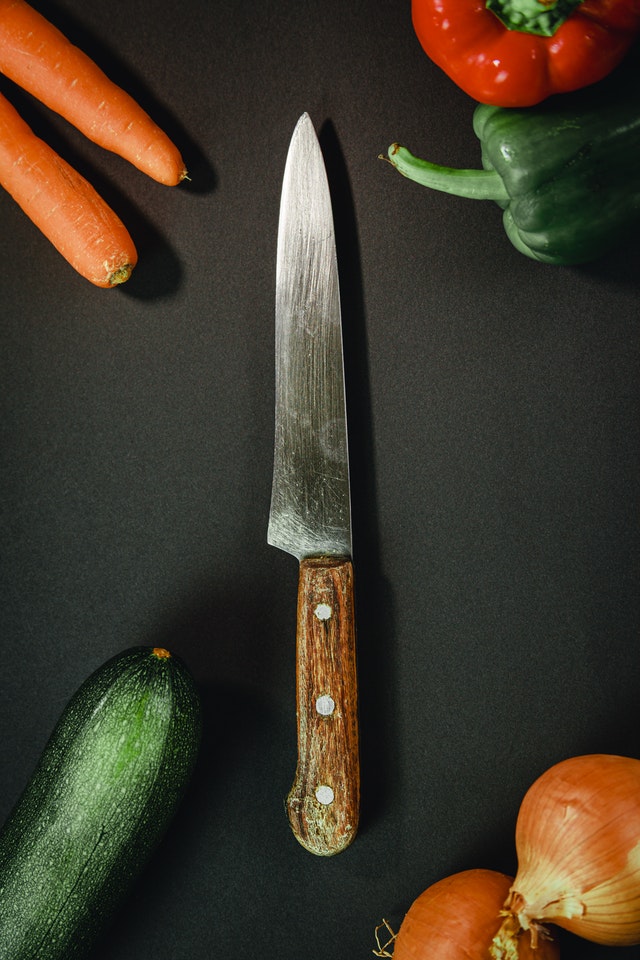
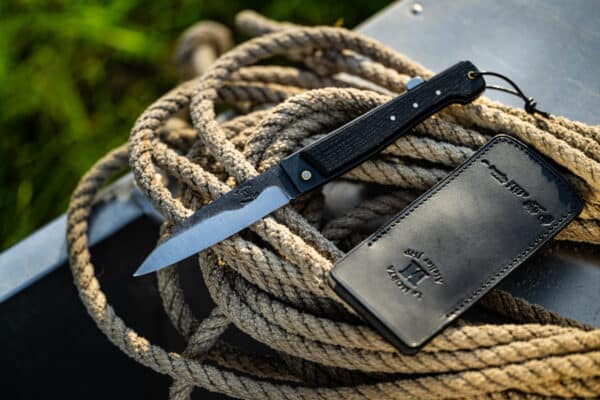
For centuries, bone handle forged knives have stood as a symbol of craftsmanship, blending time-honored techniques with natural materials. These knives are not just tools; they are a testament to the enduring appeal of traditional design and the skill of artisans who shape them. Whether displayed in a collection or used daily in the kitchen or outdoors, their unique character and tactile feel set them apart from mass-produced alternatives.
In this guide, we’ll explore what makes these knives special, from the forging process to the distinctive qualities of bone handles. We’ll also look at how to care for them, their uses, and why they continue to attract enthusiasts seeking both function and beauty. For those interested in learning more about the intricate process of traditional knife making, resources like the Sakai knife forging process provide valuable insight into the world of handcrafted blades.
The Art of Forging and Bone Handle Craftsmanship
The making of a forged knife with a bone handle is a meticulous process that combines ancient blacksmithing with the careful selection and shaping of organic materials. Forging involves heating steel until it’s malleable, then hammering it into the desired blade shape. This method produces a denser, stronger blade compared to stamped knives, and each piece carries subtle variations that reflect the hand of its maker.
Bone, often sourced from cattle or other livestock, is chosen for its durability, texture, and visual appeal. It is cleaned, stabilized, and shaped to fit the tang of the blade, then polished to a smooth finish. The result is a handle that feels warm and substantial in the hand, with natural grain patterns and color variations that make every knife unique.
Why Choose Knives with Bone Handles?
There are several reasons why enthusiasts and professionals gravitate toward knives featuring bone handles and forged blades:
- Traditional aesthetics: The organic look of bone complements the rugged, hand-forged blade, creating a timeless appearance.
- Comfort and grip: Bone offers a tactile surface that becomes more comfortable with use, often developing a patina unique to its owner.
- Durability: When properly cared for, bone handles can last for generations, resisting cracking and wear.
- Collectibility: Each knife is a one-of-a-kind piece, making them highly sought after by collectors and those who appreciate artisanal work.
Key Features of Bone Handle Forged Knives
When evaluating these knives, several features stand out:
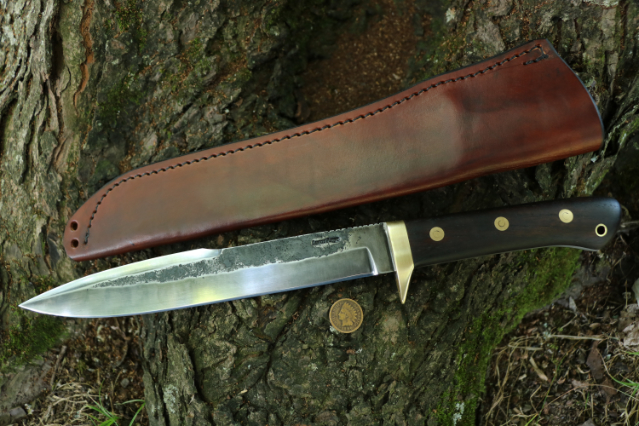
- Blade construction: Forged blades are typically thicker at the spine and taper to a fine edge, providing excellent balance and cutting power.
- Handle design: Bone handles are often contoured for a secure grip and may be accented with brass pins or decorative spacers.
- Weight and balance: The combination of forged steel and dense bone creates a well-balanced tool that feels solid and responsive.
- Visual appeal: No two bone handles are exactly alike, with differences in color, grain, and even subtle imperfections adding to their charm.
Popular Uses and Applications
While these knives are admired for their looks, they are also highly functional. Here are some common uses:
- Kitchen tasks: Many chefs appreciate the control and heft of a forged blade paired with a bone handle for slicing, chopping, and butchering.
- Outdoor activities: Hunters and outdoors enthusiasts value these knives for field dressing, skinning, and camp chores.
- Collecting and gifting: Their unique character makes them ideal for display or as meaningful gifts for knife lovers.
Care and Maintenance Tips
To ensure your knife remains in top condition, follow these care guidelines:
- Hand wash only: Avoid dishwashers, as high heat and detergents can damage both the blade and bone handle.
- Dry thoroughly: After washing, dry the knife immediately to prevent moisture from seeping into the handle or causing rust.
- Oil the handle: Occasionally apply a light coat of mineral oil to the bone to maintain its luster and prevent drying or cracking.
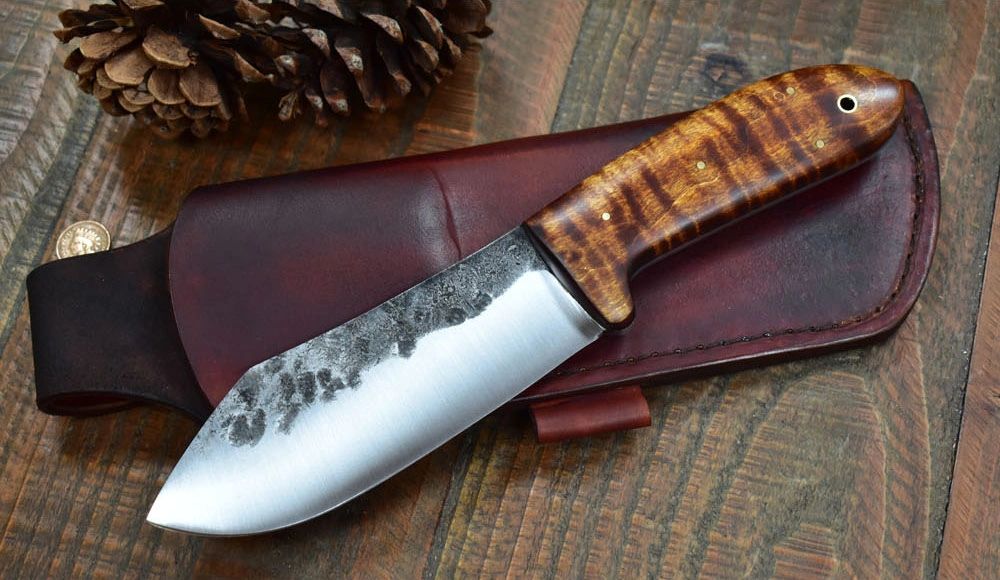
- Store properly: Keep the knife in a sheath, block, or on a magnetic strip to protect the edge and handle from damage.
What to Look for When Buying
If you’re considering adding one of these knives to your collection or toolkit, pay attention to the following:
- Craftsmanship: Look for smooth transitions between blade and handle, secure pins, and a well-finished surface.
- Material quality: High-carbon steel blades offer excellent edge retention, while stabilized bone resists moisture and cracking.
- Ergonomics: The handle should feel comfortable and balanced in your hand, with no sharp edges or rough spots.
- Authenticity: Seek out reputable makers or brands known for their dedication to traditional methods and quality materials.
Frequently Asked Questions
- Are bone handle knives safe for food preparation?
- Yes, as long as the bone is properly cleaned and stabilized, these handles are safe for kitchen use. It’s important to keep them clean and dry after use to maintain hygiene and prevent damage.
- How do bone handles compare to wood or synthetic materials?
- Bone offers a unique tactile feel and aesthetic that many find appealing. While it is durable, it can be more susceptible to drying or cracking if not cared for properly, unlike some stabilized woods or synthetic handles.
- Can bone handle forged knives be sharpened like other knives?
- Absolutely. The forged blades are typically made from high-carbon steel, which takes a fine edge and can be sharpened using standard whetstones or sharpening systems.
Conclusion
The enduring appeal of bone handle forged knives lies in their blend of artistry, tradition, and everyday practicality. Whether you’re a collector, chef, or outdoor enthusiast, these knives offer a distinctive combination of beauty and performance. By understanding their unique features and caring for them properly, you can enjoy a tool that not only serves its purpose but also connects you to a rich heritage of craftsmanship.