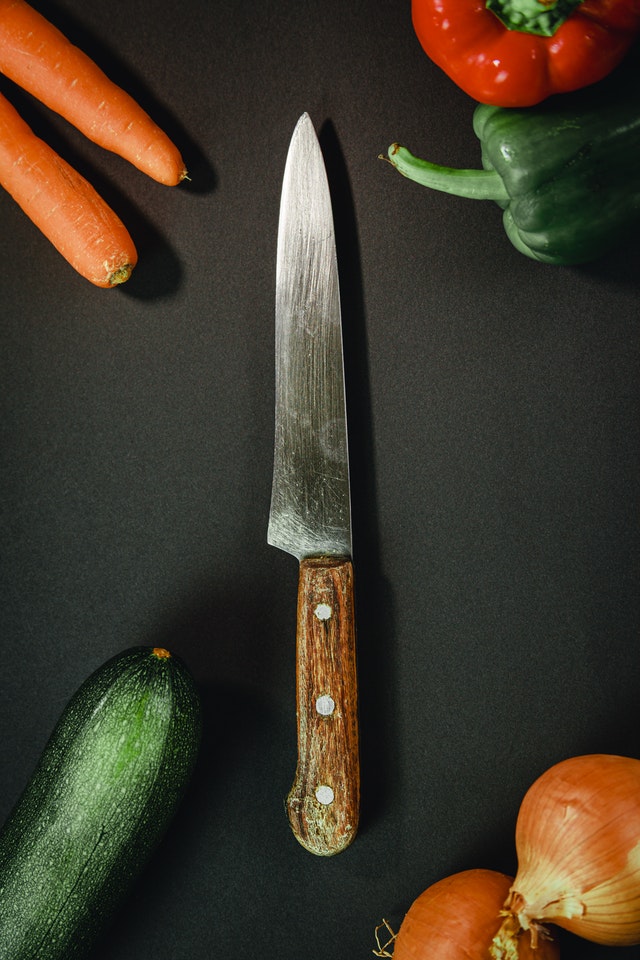

Hand forged knives are prized for their craftsmanship, durability, and unique character. Over time, however, even the finest blades can show signs of …
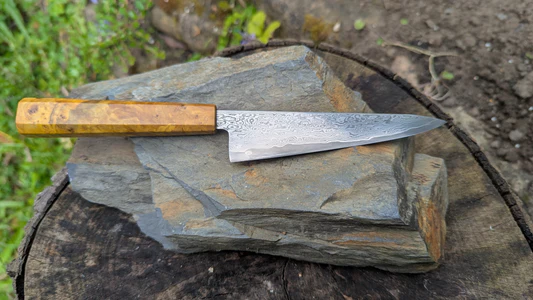
Survival Forged Knife Uses: Wilderness Application
A survival forged knife is more than just a tool—it’s a lifeline in the wild. Whether you’re an outdoor enthusiast, a bushcraft hobbyist, or som…

Knife Cleaning Best Practices: Protect Your Blade
Proper care and cleaning are essential for keeping your knives sharp, safe, and long-lasting. Whether you’re a professional chef or a home cook,…

Knife Forging Basics: A Beginner’s Guide to Forging
Forging a knife is an age-old craft that blends skill, patience, and a deep understanding of metalwork. For those new to the world of bladesmithing, l…

Blade Tapering in Forging: Mastering the Distal Taper
Understanding blade tapering in forging is essential for anyone interested in creating high-performance knives, swords, or tools. The process of shapi…
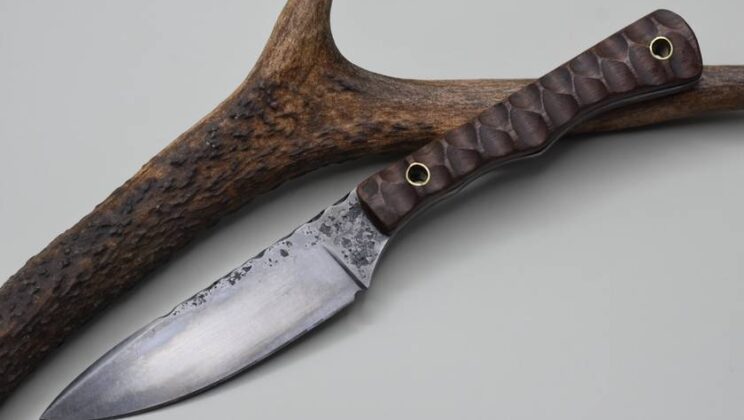
Japanese Knife Forging Traditions: Ancient Mastery
Japanese knife forging traditions represent a remarkable blend of artistry, technical skill, and centuries-old heritage. These methods, refined over g…
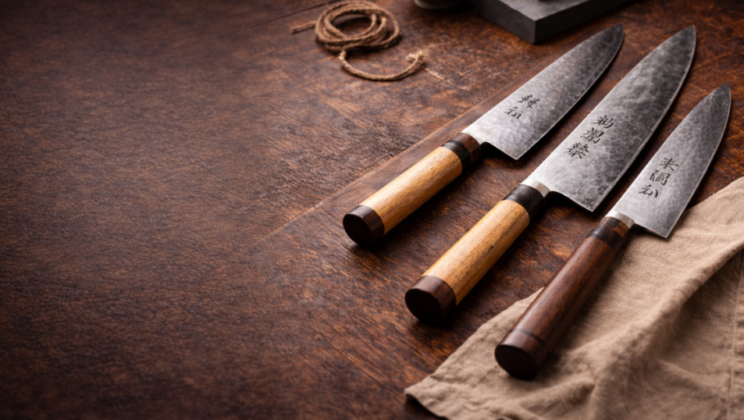
Stainless Steel vs Carbon Steel Forging Explained
When it comes to forging metals for knives, tools, and industrial components, two materials dominate the conversation: stainless steel and carbon stee…

Modern Custom Knife Market: Demands & Collector Trends
The modern custom knife market has evolved into a dynamic landscape where craftsmanship, innovation, and collector enthusiasm intersect. No longer lim…

Forged Knife Spine Thickness: Strength & Balance
Understanding the forged knife spine thickness is essential for anyone interested in knives, whether you’re a chef, collector, or outdoor enthus…
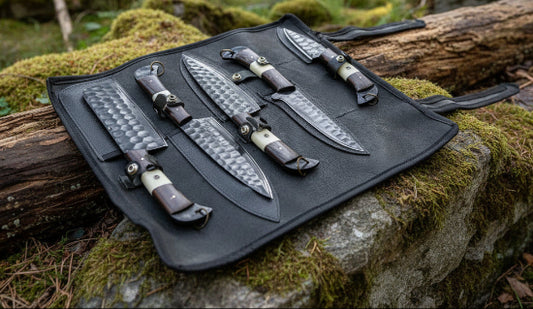
Knife Heat Treatment Process: Ultimate Guide to Steel
The knife heat treatment process is a critical step in transforming raw steel into a high-performance blade. Whether for culinary, outdoor, or collect…