Forging a knife is an age-old craft that blends skill, patience, and a deep understanding of metalwork. For those new to the world of bladesmithing, learning the knife forging basics opens the door to creating functional tools and works of art. Whether you’re interested in making your own kitchen knife or simply want to understand the process, this guide covers the essential steps, tools, and techniques you’ll need to get started.
Before diving into the practical aspects, it’s helpful to familiarize yourself with the fundamental concepts and terminology. Forging involves heating metal until it becomes malleable, then shaping it with a hammer and anvil. This process not only forms the blade but also refines its internal structure, resulting in a stronger, more resilient knife. For a more in-depth look at traditional and modern methods, you can explore forging techniques in cutlery from experienced artisans.
Essential Tools and Workspace Setup
Setting up a safe and efficient workspace is the first step in learning how to forge knives. The right environment not only ensures your safety but also helps you achieve better results as you practice the basics of knife forging.
- Forge: This is where you’ll heat your metal. Beginners often start with a gas or coal forge, both of which reach the high temperatures needed for forging.
- Anvil: A solid surface for shaping hot steel. Even a small anvil will work for most beginner projects.
- Hammer: A basic blacksmith’s hammer is essential for shaping and drawing out the blade.
- Tongs: Used to safely hold and manipulate hot metal.
- Protective Gear: Safety glasses, gloves, and a heavy-duty apron are crucial for protection against sparks and hot metal.
Ensure your workspace is well-ventilated and free from flammable materials. Keep a bucket of water or fire extinguisher nearby for emergencies.
Understanding Steel Selection for Knife Making
The type of steel you choose will greatly impact the quality and performance of your finished knife. For those just starting out, it’s best to use a simple, high-carbon steel such as 1084 or 1095. These steels are forgiving during heat treatment and provide excellent edge retention.
Stainless steels are more challenging to forge and heat treat, so they’re typically reserved for more experienced bladesmiths. As you progress, you can experiment with different alloys to achieve specific properties in your knives.
Step-by-Step Knife Forging Process
Once your tools and materials are ready, you can begin the hands-on process. Here’s a breakdown of the main steps involved in forging a simple blade:
- Heating the Steel: Place your steel bar in the forge and heat it until it reaches a bright orange or yellow color (around 1,500–2,000°F). This is the ideal temperature for shaping.
- Drawing Out the Blade: Using your hammer and anvil, begin to flatten and elongate the steel. Focus on forming the basic outline of the blade, including the tip and tang (the part that will become the handle).
- Shaping the Profile: Refine the blade’s shape by hammering the edges and establishing the bevels (the angled surfaces that lead to the cutting edge).
- Normalizing: After shaping, heat the blade again and let it cool slowly in air. This relieves internal stresses and prepares the steel for hardening.
- Hardening: Reheat the blade to the critical temperature and quench it in oil or water. This rapidly cools the steel, making it hard but brittle.
- Tempering: To reduce brittleness, heat the blade to a lower temperature (around 400°F) and let it cool slowly. This balances hardness with toughness.
Each of these steps requires attention to detail and practice. Beginners are encouraged to start with simple shapes and gradually move to more complex designs as their skills improve.
Finishing Touches: Grinding, Polishing, and Handling
After forging and heat treating, the blade must be ground and polished to achieve its final form. This stage is where the knife’s edge is established and the surface is smoothed for both aesthetics and performance.
- Grinding: Use a belt grinder or files to refine the blade’s profile and create a sharp edge. Take care to avoid overheating, which can affect the steel’s hardness.
- Polishing: Progress through finer grits of sandpaper or polishing compounds to achieve a smooth, reflective finish.
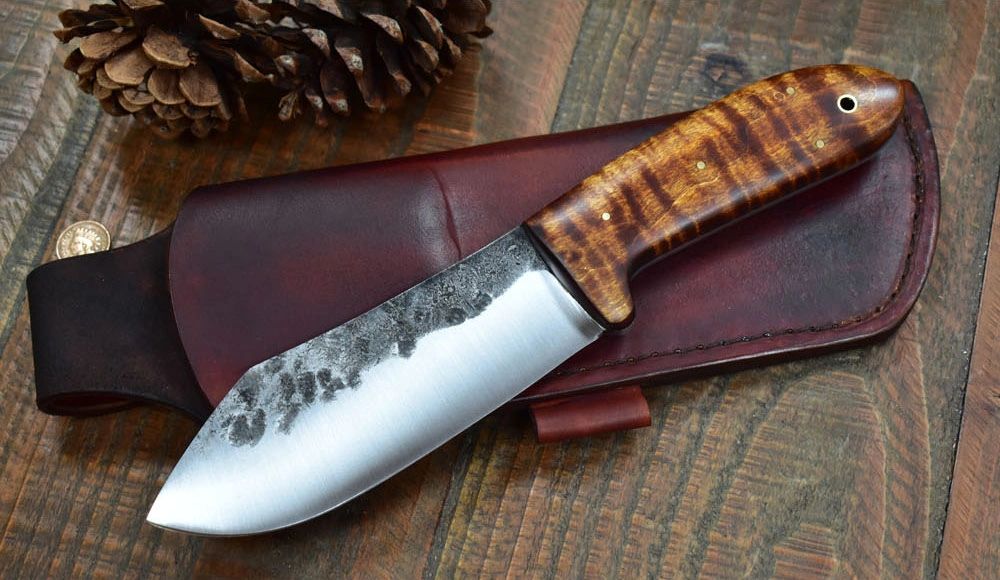
- Handle Attachment: The tang is fitted with handle scales (wood, micarta, or other materials) and secured with pins or epoxy. Shape the handle for comfort and balance.
Proper finishing not only enhances the knife’s appearance but also ensures it’s comfortable and safe to use.
Common Challenges and Troubleshooting for Beginners
As with any craft, newcomers to knife forging basics will encounter obstacles. Here are some frequent issues and tips for overcoming them:
- Cracking During Quenching: This often results from uneven heating or using water instead of oil for high-carbon steels. Ensure even heat and choose the right quenching medium.
- Warping: Blades may bend during quenching. Straighten them while still warm, or normalize the steel before hardening to minimize stress.
- Poor Edge Retention: This can stem from improper heat treatment. Study the specific requirements for your chosen steel and follow recommended temperatures and times.
Patience and practice are key. Don’t be discouraged by early mistakes—each attempt builds your skills and confidence.
Frequently Asked Questions
What is the best steel for beginner knife makers?
High-carbon steels like 1084 or 1095 are ideal for those starting out. They are easy to forge, heat treat, and sharpen, making them perfect for learning the fundamentals of knife forging.
Do I need expensive equipment to start forging knives?
No, many beginners start with basic tools such as a small anvil, a simple forge (even a homemade one), and a hammer. As you gain experience, you can invest in more specialized equipment.
How long does it take to forge a knife?
The time required depends on the complexity of the design and your experience. A simple blade can be forged in a few hours, while more intricate knives may take several days, including heat treatment and finishing.
Conclusion
Learning the knife forging basics is a rewarding journey that combines creativity, craftsmanship, and technical skill. By understanding the essential tools, materials, and processes, beginners can confidently start their bladesmithing adventure. Remember to prioritize safety, practice patience, and continually seek knowledge from experienced makers and reputable resources. With dedication and attention to detail, you’ll soon be crafting blades that are both beautiful and functional.