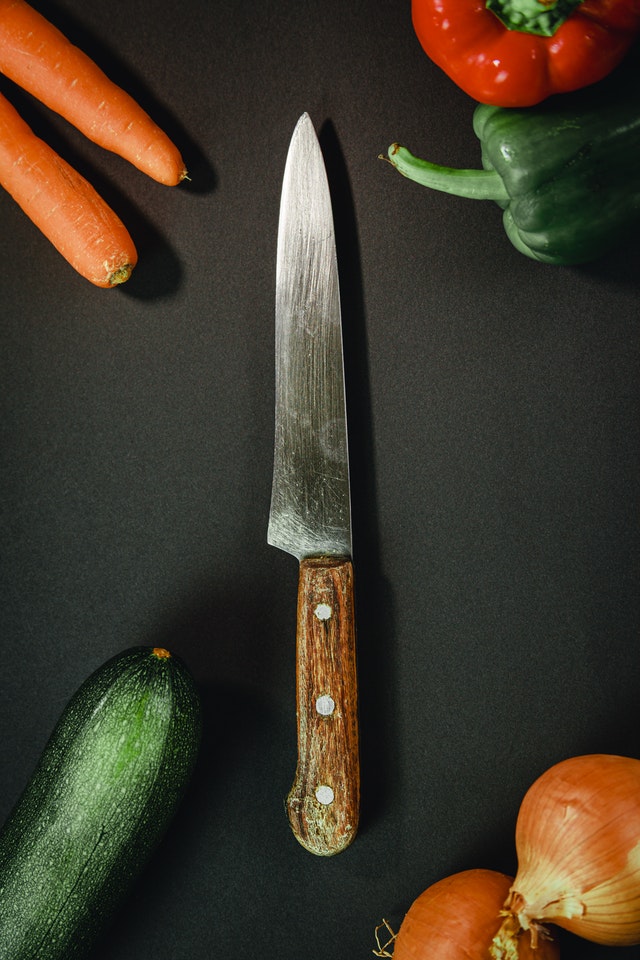
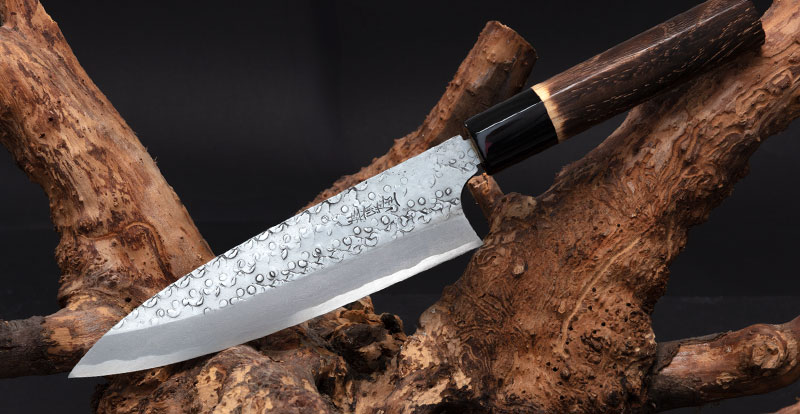
Hand forged knives are prized for their craftsmanship, durability, and unique character. Over time, however, even the finest blades can show signs of wear, corrosion, or damage. Refurbishing hand forged knives not only restores their function and beauty but also preserves the legacy of skilled artisanship. Whether you have inherited an old blade or want to breathe new life into a well-used kitchen tool, understanding the restoration process is essential.
This guide covers the complete process of restoring these traditional knives, from cleaning and rust removal to sharpening and handle repair. By following the steps outlined here, you can ensure your blade remains both practical and visually striking for years to come. For those interested in the origins and benefits of these blades, exploring how hand forged knives are made and why they matter can provide valuable context.
Assessing the Condition of Your Hand Forged Knife
Before beginning any restoration, it’s important to evaluate the current state of your knife. Look for the following:
- Rust and Corrosion: Surface rust is common, especially on high-carbon steel. Deep pitting may require more intensive work.
- Blade Damage: Chips, nicks, or bends in the blade edge or tip can affect performance and safety.
- Handle Integrity: Wooden handles may crack, loosen, or develop gaps. Metal or composite handles can also degrade over time.
- Loose Fittings: Rivets, pins, or ferrules may become unstable, impacting the knife’s feel and safety.
Documenting these issues helps you plan the restoration steps and gather the necessary tools and materials.
Cleaning and Removing Rust from Forged Blades
One of the most common issues with older knives is rust. To restore the blade’s surface and prevent further corrosion, follow these steps:
- Initial Cleaning: Wash the knife with warm water and mild soap to remove dirt and grease. Dry thoroughly.
- Surface Rust Removal: Use fine steel wool (0000 grade) or a brass brush to gently scrub away rust. For stubborn spots, apply a small amount of mineral oil or WD-40 and let it sit before scrubbing.
- Deep Rust and Pitting: For more severe corrosion, a rust eraser or abrasive pad can help. Avoid aggressive sanding, which may damage the blade’s profile or finish.
- Final Rinse: Clean off any residues and dry the blade completely to prevent new rust from forming.
Always work in a well-ventilated area and wear gloves for protection. After cleaning, inspect the blade for any remaining issues that may need further attention.
Restoring the Blade Edge and Profile
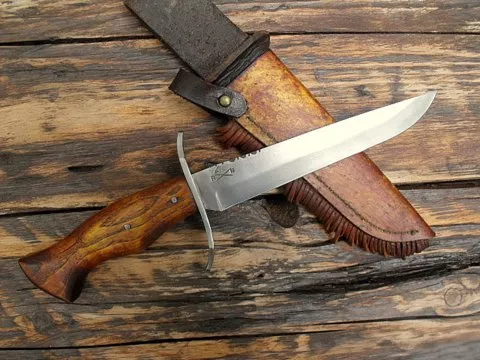
A sharp, well-shaped edge is essential for any knife. Restoring the cutting performance of a forged blade involves careful sharpening and, if necessary, reprofiling:
- Sharpening: Start with a coarse whetstone (around 400-800 grit) to remove chips or nicks. Progress to finer stones (1000-6000 grit) to refine the edge. Maintain the original bevel angle for best results.
- Reprofiling: If the blade has lost its shape or tip, use a coarse stone or diamond plate to gently reshape the edge. Work slowly to avoid removing too much material.
- Polishing: After sharpening, use a leather strop or polishing compound to achieve a razor-sharp finish.
Regular honing and proper storage will help maintain the restored edge.
Repairing and Refinishing Knife Handles
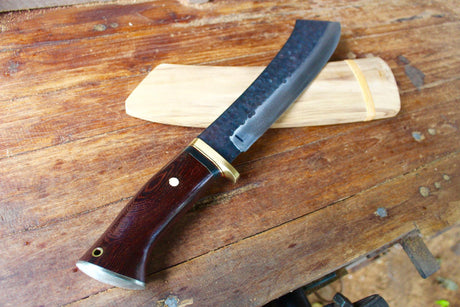
The handle is a crucial part of any knife, affecting both comfort and control. Over time, wood can dry out, crack, or loosen, while synthetic materials may degrade. Here’s how to address common handle issues during hand forged knife restoration:
- Tightening Loose Handles: If the handle wiggles, check pins or rivets for wear. Tighten or replace as needed. For hidden tang knives, epoxy can secure the tang inside the handle.
- Repairing Cracks: Small cracks in wooden handles can be filled with wood glue or epoxy. Clamp until cured, then sand smooth.
- Refinishing: Sand the handle with fine-grit sandpaper to remove old finish and smooth the surface. Apply food-safe mineral oil, tung oil, or beeswax to protect and enhance the wood grain.
- Replacing Handles: Severely damaged handles may need full replacement. Carefully remove the old handle, fit a new one, and secure with pins or epoxy.
Take care to match the handle style and materials to the original design for authenticity and balance.
Final Touches: Polishing and Protecting Your Restored Knife
After repairing the blade and handle, a few finishing steps will ensure your knife is both attractive and protected:
- Blade Polishing: Use a metal polish or fine abrasive paste to bring out the blade’s luster. Wipe clean with a soft cloth.
- Protective Coating: Apply a thin layer of food-safe mineral oil to the blade and handle to prevent moisture and rust.
- Storage: Store the knife in a dry place, preferably in a sheath, blade guard, or knife block to avoid accidental damage.
Regular maintenance, including cleaning and oiling, will keep your restored knife in top condition and ready for use.
Common Mistakes to Avoid When Restoring Forged Knives
While refurbishing these blades can be rewarding, certain pitfalls can compromise the results:
- Over-sanding: Excessive sanding can remove too much metal or alter the blade’s original shape.
- Using Harsh Chemicals: Avoid bleach or strong acids, which can damage steel and handle materials.
- Incorrect Sharpening Angles: Sharpening at the wrong angle can weaken the edge or reduce performance.
- Neglecting Handle Care: Failing to treat or repair the handle can lead to discomfort or safety issues.
Patience and attention to detail are key to achieving a successful restoration.
Frequently Asked Questions
How can I tell if my knife is hand forged?
Hand forged knives often display subtle hammer marks, a visible forge-welded tang, and a less uniform finish compared to mass-produced blades. The spine and tang may show signs of hand shaping, and the balance tends to feel more organic. If you’re unsure, consult a professional or reference guides on traditional knife-making techniques.
Is it safe to use a restored knife for food preparation?
Yes, as long as the restoration uses food-safe materials and finishes. Ensure all rust and corrosion are removed, the blade is properly sharpened, and the handle is secure. Avoid using harsh chemicals or finishes not intended for culinary tools.
How often should I maintain a hand forged knife after restoration?
Regular maintenance is important to preserve both function and appearance. Clean and dry the knife after each use, apply a light coat of mineral oil to the blade and handle monthly, and hone the edge as needed. Store the knife in a dry environment to prevent rust.