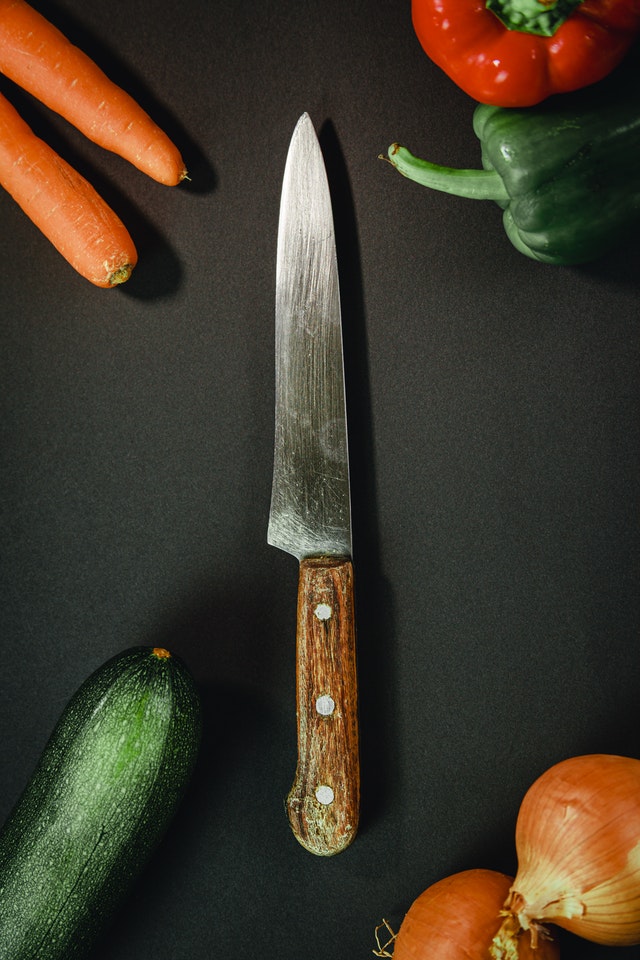

Proper care and cleaning are essential for keeping your knives sharp, safe, and long-lasting. Whether you’re a professional chef or a home cook, understanding knife cleaning best practices will help you maintain your blades in top condition and prevent damage or rust. This article covers the most effective methods for cleaning, drying, and storing your knives, as well as common mistakes to avoid. By following these guidelines, you’ll ensure your favorite kitchen tools remain reliable and ready for every meal.
Before diving into the details, it’s worth noting that the way knives are made can influence how you care for them. For a deeper look at the forging process and its impact on blade maintenance, check out this comprehensive guide to knife forging.
Why Proper Knife Cleaning Matters
Cleaning your knives correctly is about more than just hygiene. It directly affects the performance, sharpness, and lifespan of your blades. Food particles, moisture, and acids can corrode metal, dull edges, and create unsightly stains. Neglecting proper care can also lead to cross-contamination and safety hazards in the kitchen.
Following knife cleaning best practices helps you:
- Maintain a razor-sharp edge for precise cutting
- Prevent rust, pitting, and discoloration
- Reduce the risk of foodborne illness
- Extend the usable life of your investment
Hand Washing vs. Dishwasher: The Right Approach
One of the most common questions is whether knives can be safely cleaned in the dishwasher. The answer is almost always no. Dishwashers expose blades to harsh detergents, high temperatures, and jostling, which can dull edges, loosen handles, and cause corrosion.
Instead, always wash knives by hand using these steps:
- Rinse the blade under warm water immediately after use to remove food residue.
- Apply a small amount of mild dish soap to a soft sponge or cloth.
- Wipe the blade from spine to edge, keeping fingers away from the sharp side.
- Clean the handle and bolster, paying attention to crevices where food can hide.
- Rinse thoroughly and dry immediately with a soft towel.

Drying and Storing Your Knives
After washing, it’s crucial to dry your knife immediately. Air drying can leave water spots and promote rust, especially on high-carbon steel blades. Use a clean, absorbent towel and wipe from the spine toward the edge for safety.
For storage, avoid tossing knives in a drawer where they can knock against other utensils. This not only dulls the blade but can also cause chips and nicks. Instead, consider these options:
- Knife blocks: Keep blades separated and protected.
- Magnetic strips: Store knives on the wall for easy access and air circulation.
- Blade guards or sheaths: Ideal for drawer storage or transporting knives.
Common Mistakes to Avoid
Even experienced cooks sometimes make errors that can damage their knives. Here are a few pitfalls to watch out for:
- Soaking knives: Prolonged exposure to water can cause handles to swell or crack and promote rust.
- Using abrasive pads: Steel wool or rough sponges can scratch and dull the blade.
- Leaving knives dirty: Acidic foods like tomatoes and citrus can stain and corrode the metal if left on the blade.
- Improper storage: Storing knives loosely in a drawer increases the risk of accidents and blade damage.
Special Considerations for Different Knife Materials
Not all knives are made from the same materials, and each type requires specific care:
- Stainless steel: Resistant to rust but still benefits from immediate drying and gentle cleaning.
- High-carbon steel: Holds a sharp edge but is more prone to corrosion. Apply a thin layer of food-safe mineral oil after cleaning for extra protection.
- Ceramic blades: Don’t rust but can chip easily. Use only soft sponges and avoid dropping or twisting the blade.
- Wooden handles: Never soak in water. Wipe clean and occasionally treat with mineral oil to prevent drying and cracking.

How Often Should You Clean Your Knives?
It’s best to clean your knife after every use. Even a quick rinse and dry can prevent buildup and corrosion. For knives used with raw meat, fish, or sticky foods, a thorough wash with soap and hot water is essential to prevent cross-contamination and maintain food safety.
Maintaining Sharpness Alongside Cleanliness
While cleaning is vital, keeping your knife sharp is equally important. A dull blade is more dangerous than a sharp one because it requires more force and can slip. Regular honing with a steel and periodic sharpening will keep your knife performing at its best. Always clean your knife after sharpening to remove any metal filings or residue.
Frequently Asked Questions
Can I put my knives in the dishwasher if the manufacturer says it’s safe?
Even if a manufacturer claims their knives are dishwasher safe, it’s best to avoid it. The harsh environment inside a dishwasher can still dull blades, damage handles, and cause corrosion over time. Hand washing remains the safest option for all quality knives.
What should I do if my knife starts to rust?
If you notice rust spots, gently scrub them with a soft sponge and a paste of baking soda and water. Rinse and dry thoroughly. To prevent future rust, always dry your knife immediately after washing and consider applying a light coat of food-safe mineral oil to high-carbon blades.
How do I clean knives with wooden handles?
Wooden handles should never be soaked or placed in the dishwasher. Wipe them clean with a damp cloth, dry immediately, and occasionally treat with mineral oil to keep the wood from drying out or cracking.
Is it necessary to oil my knife blade?
For high-carbon steel knives, applying a thin layer of food-safe mineral oil after cleaning can help prevent rust and corrosion. Stainless steel knives generally don’t require oiling, but it won’t hurt to add an extra layer of protection if you live in a humid climate.
Conclusion
Adopting knife cleaning best practices is a simple yet powerful way to protect your investment and ensure safe, enjoyable cooking. By washing knives by hand, drying them immediately, storing them properly, and avoiding common mistakes, you’ll keep your blades sharp and ready for years to come. Remember that the right care routine depends on your knife’s material and construction, so always follow manufacturer recommendations when available. With these habits, your knives will remain a trusted tool in your kitchen for every culinary adventure.