The modern custom knife market has evolved into a dynamic landscape where craftsmanship, innovation, and collector enthusiasm intersect. No longer limited to utilitarian tools, today’s custom knives are prized for their artistry, unique materials, and the stories behind their creation. Collectors and users alike are driving new trends, shaping demand, and influencing what makers produce. Whether you’re a seasoned enthusiast or new to the world of bespoke blades, understanding the current state of this market can help you navigate its complexities and appreciate its nuances.
In this article, we’ll explore how demand is shifting, what collectors are seeking, and which factors are influencing value and desirability. We’ll also highlight the role of materials, technology, and the global community in shaping the future of custom knives. For those interested in the craft behind these blades, learning about how hand-forged knives are made offers valuable insight into what sets custom creations apart from mass-produced options.
Key Drivers in Today’s Custom Knife Scene
The surge in popularity of custom knives is fueled by several factors. First, there’s a growing appreciation for handmade goods and the unique qualities they offer. Buyers are seeking out blades that reflect the maker’s vision, skill, and attention to detail. This has led to increased demand for limited runs, one-off pieces, and collaborations between renowned makers and designers.
Social media platforms and online communities have also played a significant role. They allow collectors and makers to connect, share knowledge, and showcase new work. As a result, trends can spread quickly, and certain styles or makers can become highly sought after almost overnight.
Collector Preferences and Emerging Trends
Collectors in the modern custom knife market are increasingly discerning. They look for more than just functionality—they want knives that tell a story or demonstrate technical mastery. Some of the most notable trends include:
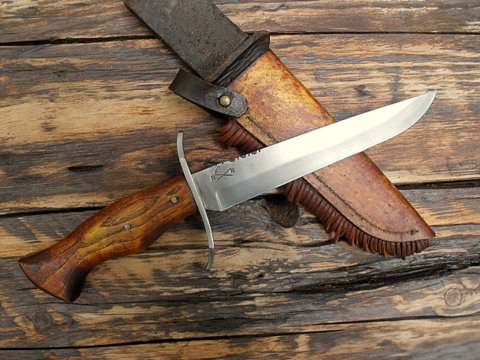
- Exotic Materials: The use of rare steels, stabilized woods, carbon fiber, and even meteorite has become popular. These materials not only enhance performance but also add to the knife’s uniqueness and value.
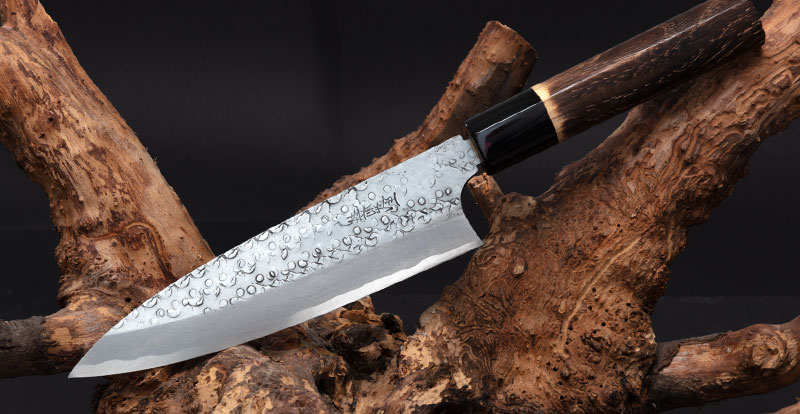
- Artistic Finishes: Techniques such as Damascus patterning, engraving, and inlays are highly prized. Makers often experiment with new finishes and textures to set their work apart.
- Limited Editions: Small-batch runs and numbered series are appealing to collectors who value exclusivity and investment potential.
- Functional Art: Many buyers seek knives that are both beautiful and usable, blurring the line between tool and collectible.
How Technology Shapes the Custom Knife Industry
Advancements in manufacturing and design technology have transformed how custom knives are made and marketed. Computer-aided design (CAD), CNC machining, and advanced heat-treating methods allow makers to achieve greater precision and consistency. At the same time, these tools enable experimentation with new forms and mechanisms.
Online marketplaces and direct-to-consumer sales have also made it easier for makers to reach a global audience. This has led to greater diversity in styles and influences, as well as increased competition and innovation.
Valuation and Investment in Custom Knives
As the modern custom knife market matures, more collectors are viewing knives as potential investments. The value of a custom knife is influenced by several factors:
- Makers’ Reputation: Bladesmiths with established names or those who have won awards often command higher prices.
- Provenance: Documentation of a knife’s history, including its maker, materials, and previous owners, can enhance value.
- Condition: Like other collectibles, knives in mint or unused condition are generally more valuable.
- Rarity: One-of-a-kind pieces or those from limited runs tend to appreciate over time, especially if demand remains strong.
It’s important for buyers to research thoroughly and purchase from reputable sources. Many collectors also participate in forums and shows to stay informed about market shifts and new makers.
Globalization and Community Influence
The custom knife world is increasingly global. Makers from different countries bring their own traditions and techniques, enriching the diversity of available blades. International shows and online groups foster a sense of community, allowing enthusiasts to share knowledge, trade, and collaborate.
This interconnectedness has also led to a blending of styles. For example, Japanese-inspired designs are popular among Western makers, while European techniques influence artisans worldwide. The result is a vibrant, ever-evolving marketplace that rewards creativity and cross-cultural exchange.
Practical Advice for Collectors and Buyers
For those interested in joining the modern custom knife market, a few practical tips can help you make informed decisions:
- Define Your Interests: Decide whether you’re collecting for investment, daily use, or artistic appreciation.
- Research Makers: Learn about different bladesmiths, their backgrounds, and their signature styles.
- Understand Materials: Familiarize yourself with common and exotic materials, their properties, and care requirements.
- Set a Budget: Prices can vary widely, so determine what you’re comfortable spending before making a purchase.
- Engage with the Community: Participate in forums, attend shows, and connect with other collectors to expand your knowledge and network.
Frequently Asked Questions
What Makes a Custom Knife Valuable?
Several factors contribute to a custom knife’s value, including the reputation of the maker, the rarity of the piece, the quality of materials, and the craftsmanship involved. Limited editions, unique designs, and documented provenance can also enhance value, especially among collectors.
How Can I Tell if a Knife Is Truly Custom?
A genuine custom knife is typically handmade or produced in very small batches, often with unique features or materials. Look for signs of hand-finishing, maker’s marks, and documentation from the bladesmith. Engaging with reputable sellers and researching the maker’s background can help ensure authenticity.
Are Custom Knives a Good Investment?
While some custom knives appreciate in value, especially those from well-known makers or limited runs, it’s important to approach collecting with both passion and caution. Market trends can shift, so it’s wise to buy pieces you personally appreciate rather than relying solely on potential financial return.