A survival forged knife is more than just a tool—it’s a lifeline in the wild. Whether you’re an outdoor enthusiast, a bushcraft hobbyist, or someone preparing for emergencies, understanding the many ways a forged blade can serve you is essential. These knives, shaped by skilled hands and intense heat, are valued for their durability, versatility, and reliability in demanding environments. In this guide, we’ll explore practical applications, care tips, and the unique advantages of forged knives for outdoor survival.
Before diving into specific tasks, it’s important to recognize what sets a forged knife apart. The forging process, which you can learn more about through this detailed explanation of Japanese sword forging, results in a blade with superior strength and edge retention. This makes it a dependable companion for a wide range of wilderness tasks.
For those interested in expanding their knowledge or connecting with a community of knife enthusiasts, consider exploring reputable forums and resources dedicated to outdoor gear and bushcraft. These platforms offer insights into knife maintenance, user experiences, and the latest innovations in blade design.
Key Survival Forged Knife Uses in the Wild
When venturing into nature, a forged knife becomes an extension of your hand. Its robust construction allows it to handle tasks that would challenge lesser blades. Here are some of the most important ways these knives prove their worth:
- Wood Processing: From splitting kindling to carving tent stakes, a forged blade excels at shaping and preparing wood for shelter and fire.
- Food Preparation: Whether cleaning fish, skinning game, or slicing vegetables, a sharp, sturdy knife ensures efficient meal prep.
- Fire Starting: The spine of a forged knife can be used with a ferro rod to produce sparks, making fire creation more reliable in damp or cold conditions.
- First Aid: In emergencies, a clean blade can assist with cutting bandages, removing splinters, or even minor medical procedures.
- Tool Making: Crafting spears, traps, or other implements is much easier with a knife that can withstand repeated impact and pressure.
Advantages of Forged Knives for Outdoor Survival
Not all knives are created equal. Forged blades stand out for several reasons, making them a top choice for survivalists and bushcrafters:
- Strength and Durability: The forging process aligns the metal’s grain structure, resulting in a blade that resists chipping and breaking under stress.
- Edge Retention: High-quality forged knives maintain a sharp edge longer, reducing the need for frequent sharpening in the field.
- Versatility: These knives are designed to perform a variety of tasks, from delicate carving to heavy-duty chopping.
- Balance and Control: The weight distribution of a forged knife often provides better handling, which is crucial for precision work.
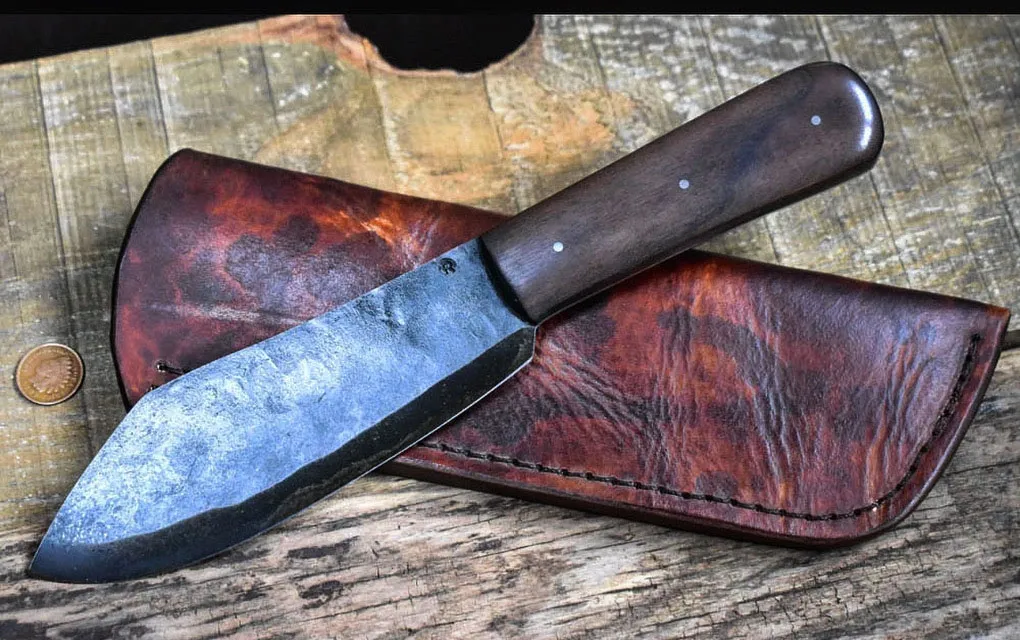
The combination of these features ensures that a forged knife is not just a cutting tool, but a reliable partner in any survival situation. Its resilience and adaptability make it a staple in any serious outdoor kit.
Essential Wilderness Tasks for Forged Knives
Let’s look at some real-world scenarios where a forged blade shines:
Building Shelter and Camp Tools
Constructing a safe and comfortable shelter is a top priority in the wild. A forged knife can be used to cut branches, notch wood for joints, and even split logs for insulation. Its robust edge allows you to baton wood—striking the spine with another object to drive the blade through thick material—without fear of damage.
Preparing Food and Processing Game
From field dressing small animals to filleting fish, a reliable knife is indispensable. The sharpness and strength of a forged blade make it suitable for both heavy-duty butchering and fine slicing. It can also be used to open cans or packages when other tools are unavailable.
Fire Preparation and Maintenance
Starting and maintaining a fire is critical for warmth, cooking, and signaling. A forged knife can shave tinder, split kindling, and strike a ferro rod. Its robust spine and edge make it ideal for scraping bark or creating feather sticks, which catch a spark more easily.
Emergency and Self-Defense Applications
In rare but serious situations, a forged knife may be used for self-defense against wild animals or as a signaling device by reflecting sunlight. It can also help free you from entanglements, cut rope, or assist in rescue operations.
Maintaining Your Forged Survival Knife
Proper care ensures your knife remains a dependable asset. Here are some tips:
- Clean After Use: Wipe the blade dry and remove any debris to prevent rust.
- Sharpen Regularly: Use a whetstone or sharpening system to keep the edge keen.
- Oil the Blade: Apply a light coat of oil to protect against moisture and corrosion.
- Store Safely: Keep your knife in a sheath or protective case when not in use.
Regular maintenance not only extends the life of your knife but also ensures it performs reliably when you need it most.
FAQs About Forged Knives in Survival Settings
What makes a forged knife better for survival than a stamped knife?
Forged knives are made by shaping heated steel under pressure, resulting in a denser, stronger blade. This process gives them superior durability and edge retention compared to stamped knives, which are cut from flat sheets of metal.
How do I choose the right forged knife for wilderness use?
Look for a knife with a full tang (the blade extends through the handle), a comfortable grip, and a blade length suited to your needs—typically between 4 and 6 inches for most outdoor tasks. Consider the steel type and the knife’s intended uses.
Can a forged knife be used for both heavy-duty and fine tasks?
Yes, the strength and balance of a forged knife make it versatile enough for chopping, batoning, carving, and delicate food preparation. Its robust construction allows it to handle a wide range of survival challenges.
How often should I sharpen my survival knife?
The frequency depends on use, but regular touch-ups after each outing help maintain peak performance. Always sharpen before extended trips to ensure your blade is ready for any situation.
A forged survival knife is an indispensable tool for anyone who spends time outdoors. By understanding its many uses and maintaining it properly, you’ll be better prepared for whatever the wilderness throws your way.