When it comes to forging metals for knives, tools, and industrial components, two materials dominate the conversation: stainless steel and carbon steel. Each offers unique properties that affect performance, durability, and maintenance. Understanding the differences between these two forged metals is essential for anyone choosing materials for blades, machinery, or custom projects.
This article provides a detailed look at the key differences between stainless steel vs carbon steel forging, examining their composition, forging processes, advantages, and best-use scenarios. Whether you’re a knife enthusiast, a blacksmith, or simply curious about metallurgy, this guide will help you make informed decisions about which material suits your needs.
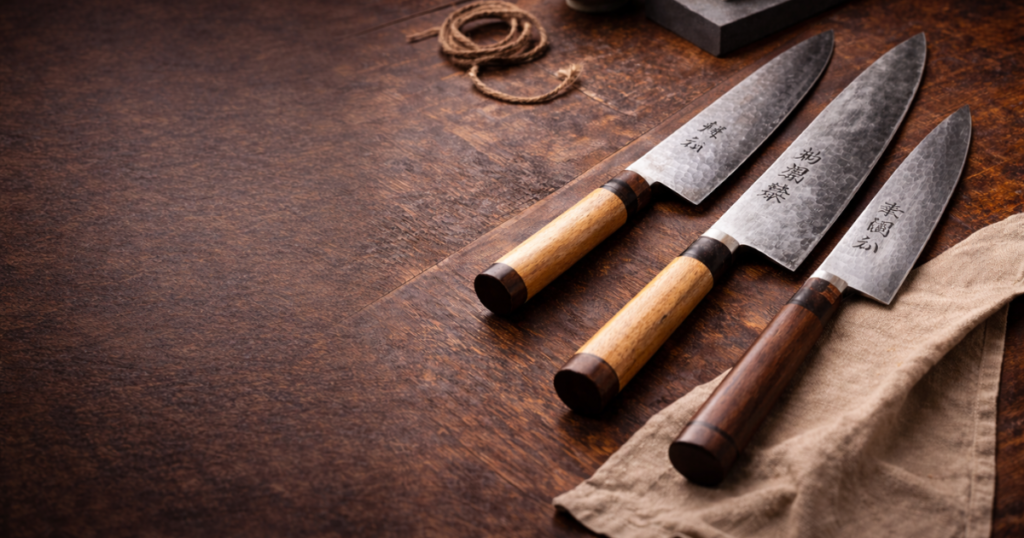
For those interested in traditional methods, learning about Japanese sword forging techniques can provide additional context on how steel properties influence the final product.
Understanding the Basics: What Sets Stainless and Carbon Steel Apart?
The primary distinction between these two steels lies in their chemical composition. Stainless steel contains a significant amount of chromium (at least 10.5%), which gives it its well-known resistance to rust and corrosion. Carbon steel, on the other hand, is primarily composed of iron and carbon, with little to no chromium, resulting in different mechanical properties and a tendency to oxidize if not properly maintained.
- Stainless steel: Contains chromium, often nickel and other alloying elements. Highly resistant to corrosion.
- Carbon steel: Contains higher carbon content but little to no chromium. Known for its hardness and edge retention, but more prone to rust.
Forging Processes: How the Metals Are Shaped
Both stainless and carbon steels can be forged, but the process and results differ. Forging involves heating the metal and shaping it using compressive forces, such as hammering or pressing. The forging process refines the grain structure, increasing strength and durability.
With carbon steel forging, the metal is typically easier to work with at lower temperatures and responds well to traditional blacksmithing techniques. Stainless steel forging requires higher temperatures and careful control to avoid cracking or warping, due to its alloying elements.
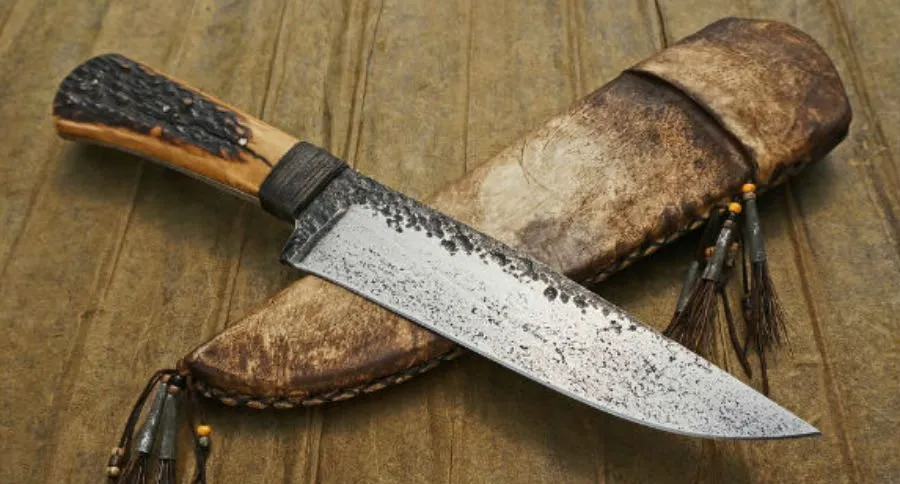
Forging either type of steel enhances its mechanical properties, but the temperature ranges and working methods must be tailored to the specific alloy.
Key Properties: Comparing Forged Stainless and Carbon Steels
When evaluating stainless steel vs carbon steel forging, several critical properties come into play:
| Property | Stainless Steel (Forged) | Carbon Steel (Forged) |
|---|---|---|
| Corrosion Resistance | Excellent, due to chromium content | Poor, requires maintenance to prevent rust |
| Hardness | Varies, generally less hard than high-carbon steels | High, especially in tool and knife grades |
| Edge Retention | Good, but can be softer than carbon steel | Excellent, holds a sharp edge longer |
| Ease of Sharpening | Can be more difficult due to toughness | Generally easier to sharpen |
| Maintenance | Low, resists staining and rust | High, needs oiling and care |
Applications: Where Each Forged Steel Excels
The choice between these two forged metals often comes down to the intended use. Here’s where each material typically shines:
- Stainless steel is ideal for kitchen knives, medical instruments, marine hardware, and any application where exposure to moisture or corrosive environments is common.
- Carbon steel is preferred for woodworking tools, outdoor knives, axes, and applications where edge retention and hardness are prioritized over corrosion resistance.
For example, many professional chefs favor high-carbon knives for their sharpness and cutting performance, while home cooks may prefer stainless options for their ease of care.
Advantages and Disadvantages of Forged Stainless and Carbon Steels
Both materials have their strengths and weaknesses, especially when forged:
Benefits of Forged Stainless Steel
- Resistant to rust and staining, making it suitable for wet environments
- Requires less maintenance
- Attractive, shiny finish
- Good toughness and impact resistance
Drawbacks of Forged Stainless Steel
- Can be harder to sharpen due to toughness
- Some grades may not hold an edge as long as high-carbon steels
- More expensive to produce and forge
Benefits of Forged Carbon Steel
- Superior edge retention and hardness
- Easy to sharpen and maintain a razor edge
- Often more affordable
- Preferred for traditional forging and custom blades
Drawbacks of Forged Carbon Steel
- Prone to rust and discoloration without proper care
- Requires regular oiling and maintenance
- Less suitable for humid or marine environments
Choosing the Right Forged Steel for Your Needs
Selecting between forged stainless and carbon steels depends on your priorities. If you value low maintenance and corrosion resistance, stainless is often the better choice. For those who need maximum sharpness and are willing to perform regular upkeep, carbon steel offers unmatched performance.
Consider the following when making your decision:
- Will the item be exposed to moisture or corrosive substances?
- How important is edge retention and ease of sharpening?
- Are you prepared to maintain the item regularly?
- What is your budget for materials and forging?
Understanding these factors will help you choose the right steel for knives, tools, or industrial parts, ensuring longevity and satisfaction with your forged product.
Frequently Asked Questions
Which is better for kitchen knives: forged stainless or carbon steel?
Both have their place in the kitchen. Forged stainless steel knives are popular for their rust resistance and low maintenance, making them ideal for home cooks. Forged carbon steel knives are favored by professionals for their sharpness and edge retention, but they require more care to prevent rust.
Does forged carbon steel rust easily?
Yes, forged carbon steel is prone to rust if not properly maintained. Regular oiling, drying after use, and proper storage are essential to prevent corrosion and maintain performance.
Is forging necessary for both stainless and carbon steels?
Forging is not strictly necessary, but it enhances the strength, durability, and grain structure of both stainless and carbon steels. Forged items are generally tougher and more reliable than those made by other manufacturing methods, especially for demanding applications.