Understanding the forged knife spine thickness is essential for anyone interested in knives, whether you’re a chef, collector, or outdoor enthusiast. The thickness of the spine—the non-cutting edge running along the back of the blade—directly impacts a knife’s strength, durability, and overall balance. Choosing the right spine thickness can make a significant difference in how a knife performs for various tasks, from delicate slicing to heavy-duty chopping.
In this article, we’ll explore how spine thickness is determined during the forging process, what it means for the knife’s performance, and how to select the right balance for your needs. We’ll also look at how this feature compares across different types of knives and why it matters for both professionals and hobbyists alike.
For those interested in the traditional methods behind blade making, you might enjoy learning about how Japanese swordsmiths forge blades, which offers valuable insight into the craftsmanship that influences spine thickness and blade geometry.
What Is Knife Spine Thickness?
The spine of a knife is the thickest part of the blade, running opposite the cutting edge. Spine thickness is typically measured at the handle or the thickest point of the blade, and it can range from less than 2 mm on fine kitchen knives to over 6 mm on heavy-duty outdoor blades. This measurement is crucial because it affects the knife’s rigidity, weight, and how it feels in hand.
In forged knives, the spine thickness is determined during the forging process, where the blade is shaped under heat and pressure. Forging allows for precise control over the blade’s geometry, resulting in a stronger, more resilient knife compared to stamped counterparts.
How Forging Influences Spine Thickness
Forging is a process where a heated piece of steel is hammered and shaped into a blade. This technique allows the maker to control the distribution of steel, creating a thicker spine for strength while tapering the blade for sharpness and flexibility. The result is a knife that can withstand heavy use without bending or breaking.
During forging, the smith can adjust the spine’s thickness to suit the intended purpose of the knife. For example, a chef’s knife might have a moderate spine for balance and versatility, while a survival knife could have a much thicker spine for maximum durability.
Why Spine Thickness Matters for Strength
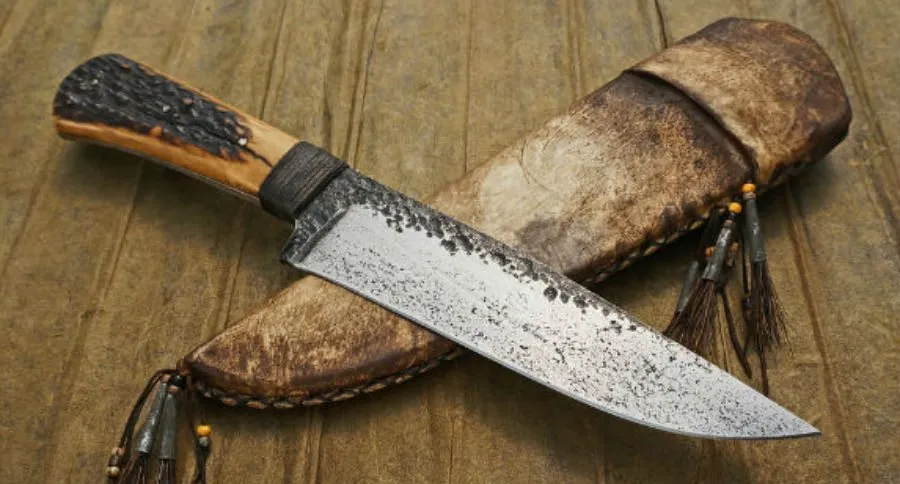
The thickness of the spine is directly related to the blade’s strength. A thicker spine means more metal, which translates to greater resistance to bending, twisting, and breaking under stress. This is especially important for knives used in demanding tasks, such as splitting wood, prying, or chopping through bone.
However, there’s a trade-off. While a thick spine adds strength, it also increases weight and can make the knife less nimble. For culinary knives, too much thickness can make delicate slicing more difficult. That’s why finding the right balance is key—enough thickness for durability, but not so much that it hinders performance.
Balance and Handling: The Role of Spine Thickness
Balance is a critical factor in knife design, affecting how comfortable and effective a knife feels during use. The spine’s thickness contributes to the overall weight distribution. A well-balanced knife reduces fatigue and allows for more precise control, especially during repetitive tasks.
For forged knives, the smith can fine-tune the spine thickness to achieve the desired balance. This is particularly important for chefs and professionals who use their knives for extended periods. A knife that feels balanced in the hand is safer, more efficient, and more enjoyable to use.
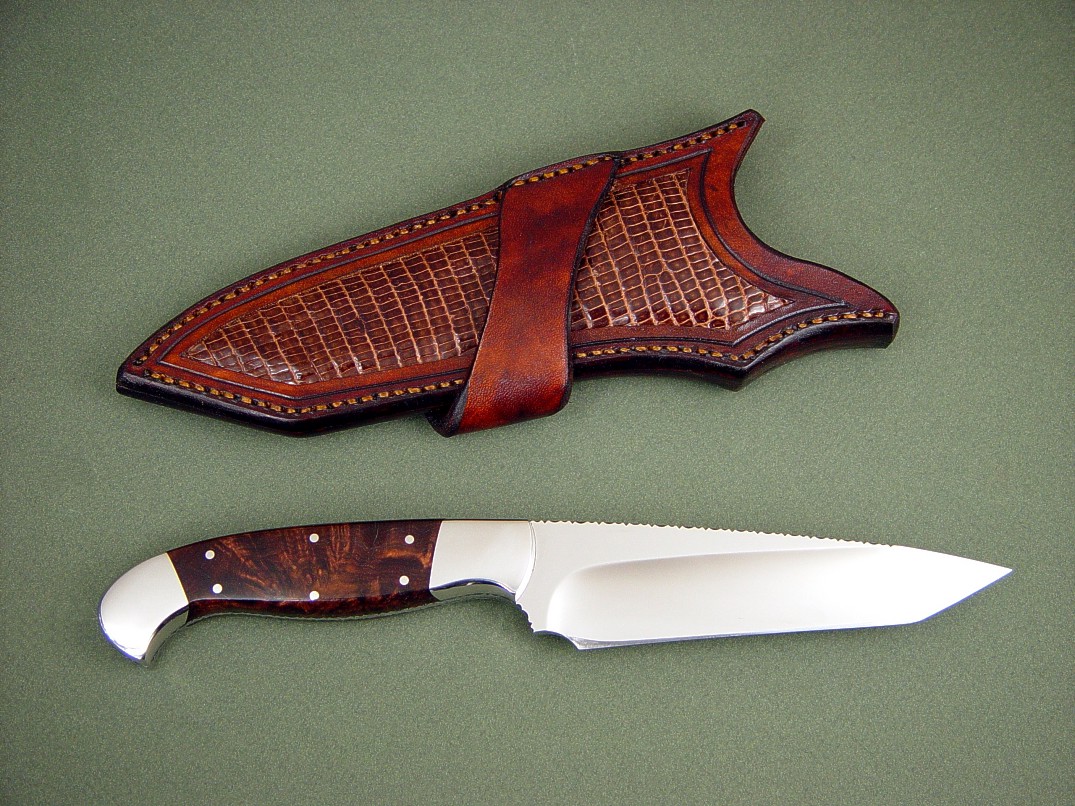
Comparing Spine Thickness Across Knife Types
Different knives are designed with varying spine thicknesses to suit their intended uses. Here’s a quick comparison:
- Chef’s knives: Usually have a spine thickness between 2 mm and 3 mm. This provides a good balance between strength and agility for chopping, slicing, and dicing.
- Outdoor and survival knives: Often feature spines 4 mm or thicker. The extra thickness ensures the blade can handle heavy-duty tasks like batoning wood or prying.
- Fillet and boning knives: These have thin spines, sometimes under 2 mm, for maximum flexibility and precision in delicate work.
- Cleavers: Typically have the thickest spines, sometimes exceeding 6 mm, to withstand repeated impacts and heavy chopping.
Understanding these differences helps you choose the right knife for your specific needs, ensuring optimal performance and longevity.
How to Choose the Right Spine Thickness
Selecting the ideal spine thickness depends on how you plan to use your knife. Here are some key considerations:
- Task: For general kitchen use, a moderate thickness offers versatility. For heavy-duty or outdoor tasks, opt for a thicker spine.
- Comfort: A knife that feels too heavy or unbalanced can cause fatigue. Test different knives to find a comfortable fit.
- Blade geometry: Consider how the spine thickness tapers toward the tip. A gradual taper can provide both strength and precision.
- Personal preference: Some users prefer the heft of a thick spine, while others value the agility of a thinner blade.
When shopping for a forged knife, pay attention to the specifications and, if possible, handle the knife before purchasing. This will give you a sense of how the spine thickness affects balance and usability.
Maintenance and Care for Forged Blades
Maintaining your forged knife ensures it retains its strength and performance over time. Here are a few tips:
- Keep the blade clean and dry to prevent corrosion, especially along the spine where moisture can accumulate.
- Regularly hone and sharpen the edge, but avoid grinding down the spine, as this can alter the knife’s balance.
- Store knives properly, using a sheath, block, or magnetic strip to protect both the edge and the spine.
Proper care will help your knife maintain its original geometry and continue to perform as intended.
Frequently Asked Questions
What is the ideal spine thickness for a chef’s knife?
Most chef’s knives have a spine thickness between 2 mm and 3 mm. This range provides a good compromise between strength and maneuverability, making it suitable for a wide variety of kitchen tasks.
Does a thicker spine mean a stronger knife?
Generally, yes—a thicker spine adds strength and durability, especially for heavy-duty tasks. However, too much thickness can make the knife unwieldy for delicate work, so it’s important to match the thickness to your intended use.
How does forging affect the spine of a knife?
Forging allows the maker to control the distribution of steel, creating a spine that is thicker for strength while maintaining a sharp, tapered edge. This process results in a blade that is both strong and well-balanced compared to stamped knives.
Can spine thickness affect cutting performance?
Yes, the thickness of the spine influences how easily a knife moves through food or materials. A thinner spine is better for precision and fine slicing, while a thicker spine is preferred for tasks that require more force and durability.
Conclusion
The thickness of a forged knife’s spine is a key factor in determining its strength, balance, and overall performance. By understanding how spine thickness is influenced by forging and how it affects handling, you can make informed decisions when choosing your next knife. Whether you’re preparing meals in the kitchen or tackling tough jobs outdoors, selecting the right spine thickness ensures your knife will be a reliable tool for years to come.