Forged knives are prized for their durability, performance, and craftsmanship. The final finish on a forged blade not only impacts its appearance but also affects how it performs in daily use. Understanding the various forged knife finishing methods helps both enthusiasts and professionals select the right blade for their needs and appreciate the skill that goes into each piece.
This article explores the most common techniques used to finish forged knives, their benefits, and how they influence the look and function of the blade. Whether you’re a collector, a chef, or someone interested in knife making, learning about these finishes can deepen your appreciation for quality cutlery. For a deeper dive into the forging process itself, you can read this comprehensive overview of forging techniques in cutlery.
Why Knife Finishing Matters
The finishing process is more than just an aesthetic choice. It determines how resistant a blade is to corrosion, how easily it can be cleaned, and even how it feels in the hand. Different knife finishing techniques can also reveal or conceal the marks of forging, giving each knife a unique character. The right finish can enhance a knife’s performance in the kitchen or the field, making it a critical step in the production of high-quality cutlery.
Common Forged Knife Finishing Methods
There are several popular approaches to finishing forged blades. Each method produces a distinct look and offers specific advantages. Below are some of the most widely used finishes in the world of forged knives.
Hand-Sanded Finish
Hand-sanding is a traditional method where the blade is polished by hand using progressively finer grits of sandpaper. This process can take hours but results in a smooth, satin-like surface that highlights the steel’s grain. A hand-sanded finish is often found on high-end custom knives and is valued for its tactile feel and elegant appearance.
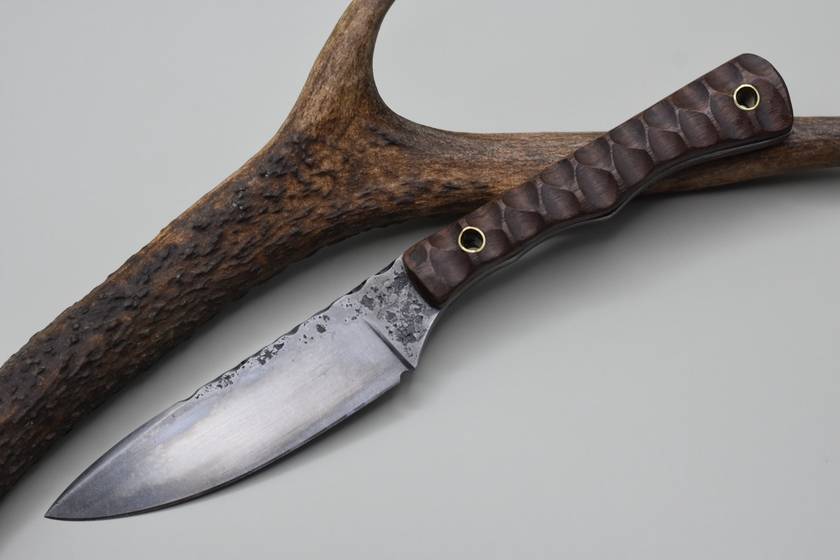
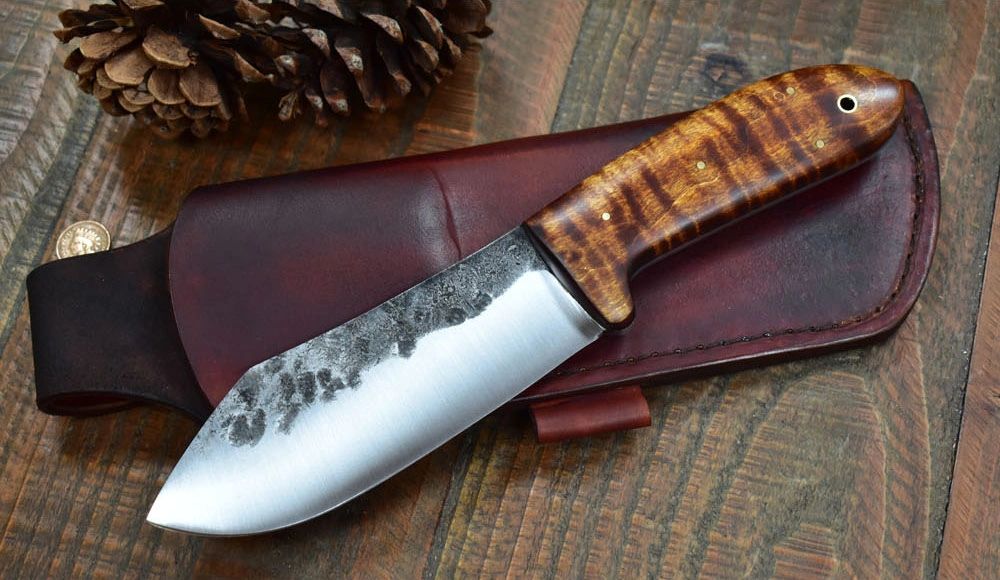
Forged Texture (Brute de Forge)
Some bladesmiths intentionally leave parts of the blade with the rough, hammered texture created during forging. This is known as a “brute de forge” or forged texture finish. It showcases the handmade nature of the knife and provides extra grip on the spine. This finish is popular among collectors and those who appreciate a rustic, authentic look.
Mirror Polish
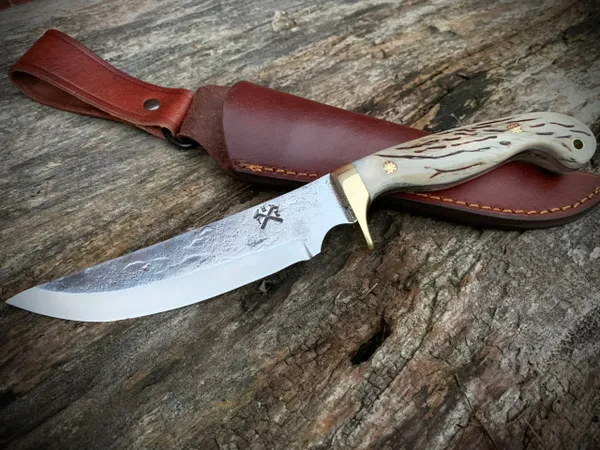
This highly reflective finish is achieved by polishing the blade with very fine abrasives until it shines like a mirror. Mirror polishing is labor-intensive and requires great skill. The result is a blade that resists corrosion well and is easy to clean, but it can show scratches more readily than other finishes. Mirror-polished knives are often chosen for display or ceremonial purposes.
Satin Finish
Satin finishing is one of the most common forged knife finishing methods used today. It involves sanding the blade in one direction with fine abrasives, creating a subtle sheen that hides fingerprints and minor scratches. Satin finishes strike a balance between beauty and practicality, making them a favorite for both kitchen and outdoor knives.
Acid Etching and Stonewashing
Acid etching uses chemicals to darken the blade, often revealing patterns in Damascus or pattern-welded steel. Stonewashing, on the other hand, tumbles the blade with abrasive stones to create a rugged, matte surface that hides wear and tear. Both finishes are popular for their unique appearance and low maintenance requirements.
Comparing Knife Finishes: Pros and Cons
| Finish Type | Appearance | Durability | Maintenance |
|---|---|---|---|
| Hand-Sanded | Smooth, satin, highlights steel grain | Good | Moderate |
| Forged Texture | Rustic, hammered, unique | Excellent | Low |
| Mirror Polish | Highly reflective, shiny | Good (shows scratches) | High |
| Satin | Subtle sheen, hides marks | Very Good | Low |
| Acid Etched/Stonewashed | Darkened, patterned, matte | Excellent | Very Low |
Choosing the Right Finish for Your Needs
When selecting a forged knife, consider how you plan to use it and your maintenance preferences. For example, a satin or stonewashed finish is ideal for those who want a blade that hides wear and is easy to care for. Mirror-polished knives are best for display or special occasions, while hand-sanded and forged texture finishes appeal to those who value craftsmanship and a unique look.
It’s also important to think about how the finish affects the knife’s grip and safety. Textured spines can provide extra control, while smooth finishes may be easier to clean but less grippy when wet.
Care and Maintenance Tips
- Always dry your knife thoroughly after use, regardless of finish.
- For mirror and satin finishes, use a soft cloth to avoid scratches.
- Acid-etched and stonewashed blades require less polishing but should still be kept clean.
- Store knives in a dry place to prevent corrosion, especially with high-carbon steels.
Frequently Asked Questions
What is the most durable finish for a forged knife?
Stonewashed and acid-etched finishes are among the most durable, as they hide scratches and resist corrosion well. Forged texture finishes are also robust and require minimal maintenance.
Does the finish affect cutting performance?
The finish can influence how smoothly a knife moves through food and how easily it can be cleaned. However, the edge geometry and sharpness are more critical for cutting performance than the finish itself.
Can I refinish a forged knife at home?
Some finishes, like hand-sanding or basic polishing, can be refreshed at home with the right tools and patience. More advanced finishes, such as mirror polish or acid etching, are best left to professionals to avoid damaging the blade.
Conclusion
Understanding the different forged knife finishing methods helps you make informed choices when buying or maintaining knives. Each finish offers unique benefits and aesthetics, reflecting the skill and artistry of the bladesmith. Whether you prefer a rustic, hammered look or a sleek, polished blade, the finish plays a vital role in both the appearance and function of your knife.