Choosing the right artisan for a handmade blade is a significant decision for enthusiasts and collectors alike. Whether you’re searching for a unique chef’s knife, a reliable outdoor tool, or a piece of functional art, the process can feel overwhelming. This guide offers practical custom knife maker selection tips to help you evaluate options, understand what matters most, and make a choice that fits your needs and values.
Before diving into the details, it’s important to recognize that every smith brings a unique approach to their craft. Factors like forging techniques, material choices, and design philosophy all play a role in the final product. By learning how to assess these elements, you’ll be better equipped to find a maker whose work aligns with your expectations.
For those new to the world of custom blades, it can be helpful to start by exploring different forging techniques and processes to understand what sets handmade knives apart from mass-produced alternatives.
Understanding What Sets a Custom Knife Apart
Handcrafted knives stand out due to the personal attention given to every detail. Unlike factory-made blades, a custom piece is shaped by the smith’s skill, material choices, and artistic vision. Here are some key aspects that distinguish these knives:
- Materials: Custom makers often use premium steels, stabilized woods, and unique handle materials.
- Craftsmanship: Each knife is individually ground, heat-treated, and finished, resulting in a one-of-a-kind tool.
- Design: The opportunity to tailor blade shape, balance, and aesthetics to your preferences.
- Performance: Superior edge retention, ergonomics, and cutting ability compared to many commercial options.
Understanding these differences is the first step in making an informed decision when searching for your ideal smith.
Researching Makers: Where to Start
With so many talented artisans out there, narrowing down your options can be challenging. Begin by considering the following custom knife maker selection tips for effective research:
- Online Presence: Look for makers with detailed websites or active social media profiles showcasing their work.
- Reputation: Read reviews, testimonials, and forum discussions to gauge customer satisfaction and reliability.
- Portfolio: Examine galleries to assess consistency, style, and the range of knives produced.
- Communication: Reach out with questions to evaluate responsiveness and willingness to discuss your needs.
Don’t hesitate to ask about previous projects or request references from past clients. Makers who are proud of their work will be happy to share their experiences and answer your questions.
Evaluating Craftsmanship and Materials
One of the most important custom knife maker selection tips is to closely inspect the maker’s attention to detail and choice of materials. Here’s what to look for:
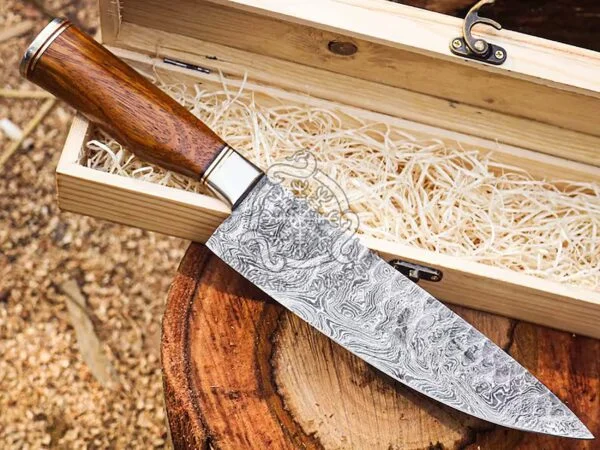
- Blade Finish: A smooth, even finish with crisp grind lines and no visible flaws or unevenness.
- Handle Construction: Tight, seamless joints between handle and blade, with no gaps or rough spots.
- Balance and Ergonomics: The knife should feel comfortable and well-balanced in hand, suited to its intended use.
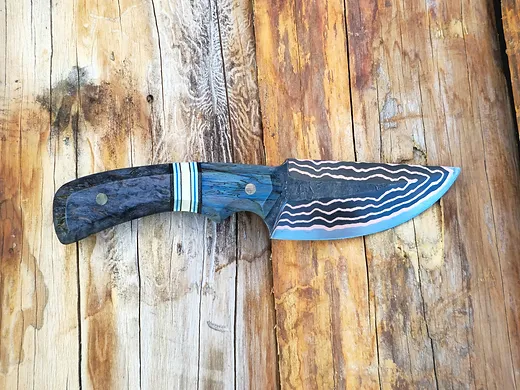
- Material Quality: High-grade steels (such as carbon, stainless, or Damascus) and durable, attractive handle materials.
Ask the smith about their heat treatment process, as this greatly affects edge retention and toughness. Inquire about the source and stability of handle materials, especially if you have preferences for certain woods or composites.
Communication and Customization Process
Clear communication is essential when working with a smith. The best experiences come from makers who listen to your needs, explain their process, and keep you informed throughout the build. Consider these points:
- Initial Consultation: Does the maker ask about your intended use, preferences, and budget?
- Design Collaboration: Are you able to provide input on blade shape, size, handle material, and finish?
- Timeline and Updates: Does the smith provide realistic timeframes and keep you updated on progress?
- Aftercare: Is guidance offered on maintenance, sharpening, and warranty coverage?
A transparent and collaborative process ensures you receive a knife tailored to your requirements and fosters trust between you and the maker.
Budgeting and Value Considerations
Handmade knives can range from a few hundred to several thousand dollars, depending on complexity, materials, and the maker’s reputation. Here are some custom knife maker selection tips for balancing cost and value:
- Set a Realistic Budget: Determine what you’re willing to invest and communicate this early in the process.
- Understand Pricing Factors: Customization, rare materials, and intricate designs will increase the price.
- Compare Makers: Evaluate what’s included—such as sheaths, engraving, or aftercare—when comparing quotes.
- Long-Term Value: A well-made custom knife can last a lifetime and may even appreciate in value.
Remember, the cheapest option is rarely the best investment. Focus on quality, fit, and finish to ensure lasting satisfaction.
Red Flags and Common Pitfalls
While most smiths are passionate professionals, it’s wise to be aware of warning signs during your search:
- Poor Communication: Delayed or vague responses can indicate future issues.
- Lack of Transparency: Avoid makers unwilling to discuss materials, processes, or provide references.
- Inconsistent Work: Large variations in quality or style within a portfolio may signal inexperience.
- Unrealistic Promises: Be cautious of claims that sound too good to be true, such as impossibly low prices or guaranteed delivery dates without context.
Trust your instincts and don’t rush the process. Taking the time to vet your options will pay off with a knife you’ll cherish for years.
Frequently Asked Questions
How do I know if a custom knife maker is reputable?
Look for positive reviews, a consistent portfolio, and transparent communication. Reputable smiths are open about their process, materials, and happy to provide references or testimonials from previous clients.
What should I ask before placing an order?
Inquire about the maker’s experience, the types of steel and handle materials used, their heat treatment process, expected timeline, and aftercare policies. Clear answers to these questions demonstrate professionalism and expertise.
Is it worth investing in a handmade knife?
For many, the answer is yes. Custom knives offer superior craftsmanship, tailored design, and long-term durability. While the upfront cost is higher, the value and satisfaction often outweigh those of mass-produced alternatives.