Understanding forged knife blade shapes is essential for anyone interested in knives, whether for cooking, outdoor activities, or collecting. The profile of a blade not only determines its appearance but also its function, efficiency, and suitability for specific tasks. From slicing vegetables to processing game, the right blade shape can make a significant difference in performance and user experience.
Forged blades, created by shaping heated steel under pressure, offer unique advantages in strength and durability. The forging process allows for a variety of blade profiles, each designed to optimize cutting, chopping, or piercing. In this guide, we’ll explore the most common forged blade shapes, their uses, and how their profiles impact performance.
For those interested in the craftsmanship behind these tools, learning more about how forged knives are made can provide valuable insight into why blade shape matters so much.
Why Blade Profile Matters in Forged Knives
The shape of a forged blade is more than just an aesthetic choice. Each profile is engineered for specific cutting tasks, and the geometry affects everything from slicing ability to edge retention. Forged knives, in particular, benefit from tailored profiles due to the strength and grain alignment achieved during forging. This results in blades that can be thinner, sharper, and more resilient than stamped alternatives.
Key factors influenced by blade shape include:
- Cutting efficiency: The curve and angle of the edge determine how easily the knife slices through different materials.
- Control: Certain shapes offer better precision for delicate tasks, while others provide power for heavy-duty chopping.
- Durability: The thickness and distribution of steel impact how well the blade withstands repeated use and sharpening.
Popular Forged Knife Blade Profiles and Their Uses
Let’s examine some of the most common blade shapes found in forged knives, highlighting their strengths and ideal applications.
Chef’s Knife: The Versatile Workhorse
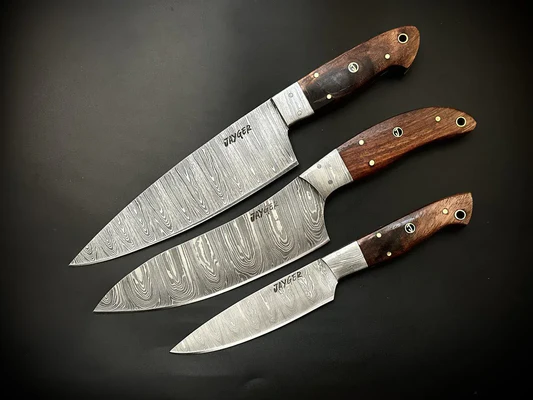
The chef’s knife, often featuring a broad, gently curved edge, is a staple in both professional and home kitchens. Its forged construction allows for a strong spine and a fine, sharp edge. The curve of the blade enables a rocking motion, making it ideal for chopping, mincing, and slicing a wide variety of foods.
Forged chef’s knives typically have a pronounced belly (the curved part of the edge) and a pointed tip, offering both power and precision. The balance and weight provided by forging make these knives comfortable for extended use.
Bowie and Clip Point Blades: Power and Precision
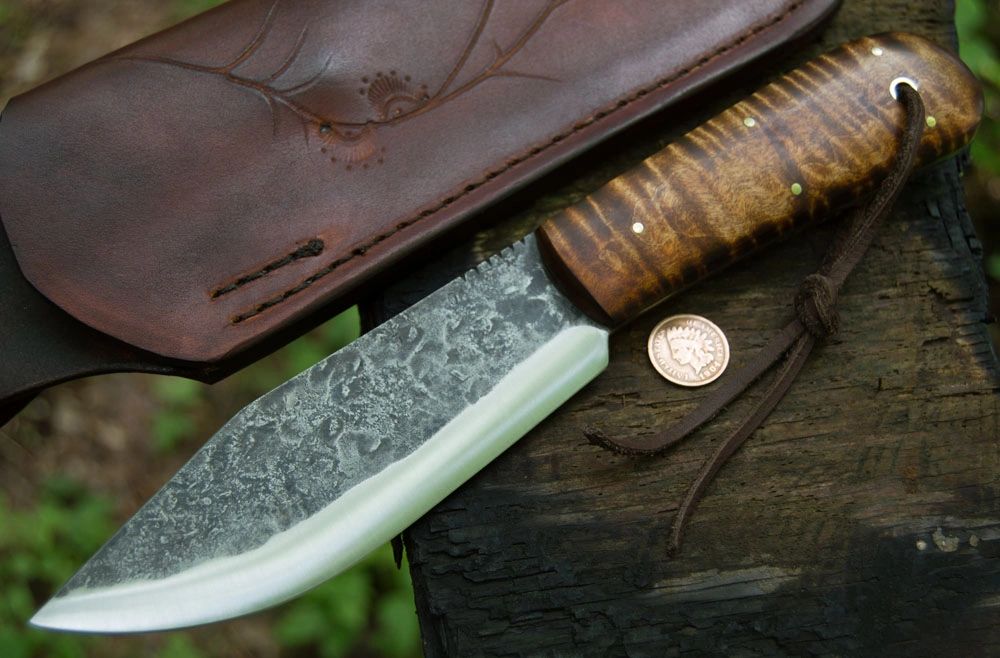
Bowie knives and other clip point designs are recognized by their concave, clipped tip. This profile is favored for its piercing ability and fine point, making it suitable for detailed work as well as heavy-duty tasks. The forged construction ensures a robust spine and a tip that resists breaking under pressure.
Clip point blades are popular among hunters and outdoor enthusiasts, as they offer both slicing power and the ability to make precise cuts. The long, straight edge is excellent for skinning and general utility.
Drop Point and Utility Blades: Everyday Versatility
Drop point blades are characterized by a convex curve from the spine to the tip, resulting in a strong, controllable point. This shape is common in both kitchen and outdoor knives. Forged drop point knives are valued for their balanced performance, offering enough belly for slicing and a tip that’s less prone to breaking.
Utility knives, often smaller and lighter, use similar profiles and are ideal for tasks that require agility and control, such as trimming meat or preparing garnishes.
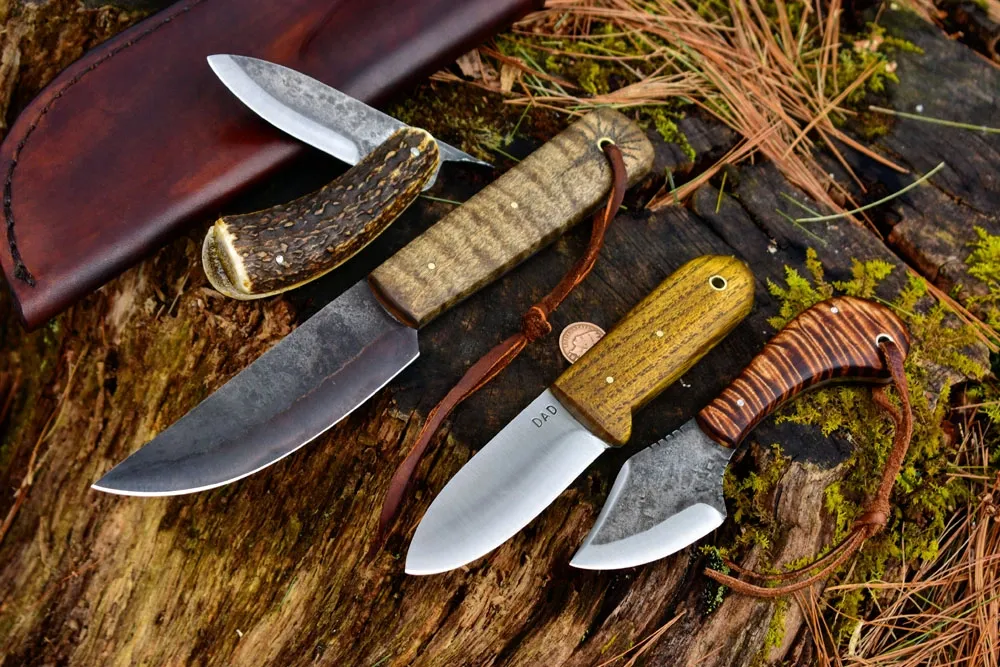
Specialty Forged Blade Shapes
Beyond the common profiles, forged knives can be crafted into specialized shapes for unique purposes:
- Cleaver: A large, rectangular blade designed for chopping through bone and dense materials. The weight and thickness of a forged cleaver add momentum and durability.
- Fillet and Boning Knives: These have narrow, flexible blades for precision work around bones and joints. Forged versions offer improved control and edge retention.
- Sheepsfoot and Wharncliffe: Featuring a straight edge and a spine that curves down to meet the tip, these profiles are prized for controlled slicing and safety.
How Forging Influences Blade Geometry and Performance
The forging process itself plays a critical role in the final shape and quality of a knife blade. By heating and hammering the steel, smiths can manipulate the thickness, taper, and curvature with precision. This results in blades that are not only strong but also finely tuned for their intended tasks.
Forged knives often have a visible bolster (the thick junction between blade and handle), which adds balance and protects the hand. The grain structure of the steel is aligned during forging, enhancing toughness and reducing the risk of breakage at stress points, especially in thinner or more delicate profiles.
Choosing the Right Forged Blade Shape for Your Needs
Selecting the best blade profile depends on your primary tasks and preferences:
- General cooking: A chef’s knife or santoku covers most kitchen tasks.
- Outdoor use: Drop point or clip point blades offer versatility for field work.
- Butchery: Cleavers and boning knives excel at processing meat.
- Precision work: Paring, fillet, or sheepsfoot blades provide control for delicate cuts.
Consider the balance, weight, and handle design as well, since these factors contribute to comfort and safety during use. Forged knives generally offer superior ergonomics due to their construction and thoughtful shaping.
Care and Maintenance for Forged Knives
To maintain the performance of your forged blades, proper care is essential:
- Hand wash and dry immediately after use to prevent corrosion.
- Store knives in a block, sheath, or on a magnetic strip to protect the edge.
- Use a honing rod regularly to keep the edge aligned, and sharpen as needed using appropriate tools.
- Avoid cutting on hard surfaces like glass or stone, which can dull or chip the blade.
With the right maintenance, forged knives can last a lifetime, retaining their shape and sharpness through years of use.
FAQ on Forged Knife Blade Profiles
What Is the Main Advantage of a Forged Knife Over a Stamped Knife?
Forged knives are made by shaping heated steel under pressure, resulting in a denser, stronger blade with better edge retention and balance. The forging process also allows for more complex and optimized blade profiles compared to stamped knives.
Which Blade Shape Is Best for Everyday Kitchen Tasks?
A chef’s knife with a curved edge is the most versatile for general kitchen use. Its profile supports chopping, slicing, and mincing, making it suitable for a wide range of ingredients and techniques.
How Do I Choose the Right Blade Profile for Outdoor Activities?
For outdoor use, drop point and clip point blades are popular due to their strength, versatility, and ability to perform both slicing and piercing tasks. Consider the specific activities you’ll be doing—such as food prep, carving, or skinning—when selecting a blade shape.