Choosing a forged knife that stands out for its craftsmanship and durability can be challenging, especially with so many options on the market. Whether you’re a chef, collector, or home cook, understanding the signs of quality forged knife construction is essential for making an informed purchase. This guide will help you identify the characteristics that set apart a truly well-made forged blade from mass-produced or inferior alternatives.
Forged knives are prized for their strength, balance, and longevity. Unlike stamped knives, which are cut from a sheet of steel, forged blades are shaped under high heat and pressure, resulting in a denser, more robust structure. Recognizing the hallmarks of a premium forged knife ensures you invest in a tool that will serve you reliably for years.
For those interested in learning more about the process behind these blades, exploring topics like damascus steel knife explanation can provide valuable context on steel types and forging techniques.
Key Indicators of a High-Quality Forged Blade
When evaluating a forged knife, several features can help you distinguish a superior product from a mediocre one. Here are the most important factors to consider:
- Full Tang Construction: A full tang means the blade steel extends through the entire handle, offering better balance and strength. You can often see the tang sandwiched between handle scales.
- Seamless Bolster: The bolster—the thick junction between the blade and handle—should be smoothly integrated, providing a comfortable grip and extra weight for control.
- Even Grind and Edge: The blade’s edge should be symmetrical and consistent along its length, with no visible wobbles or unevenness. This affects both sharpness and ease of maintenance.
- Quality of Steel: High-carbon or stainless steels are preferred for their hardness and corrosion resistance. Look for reputable steel types and clear markings on the blade.
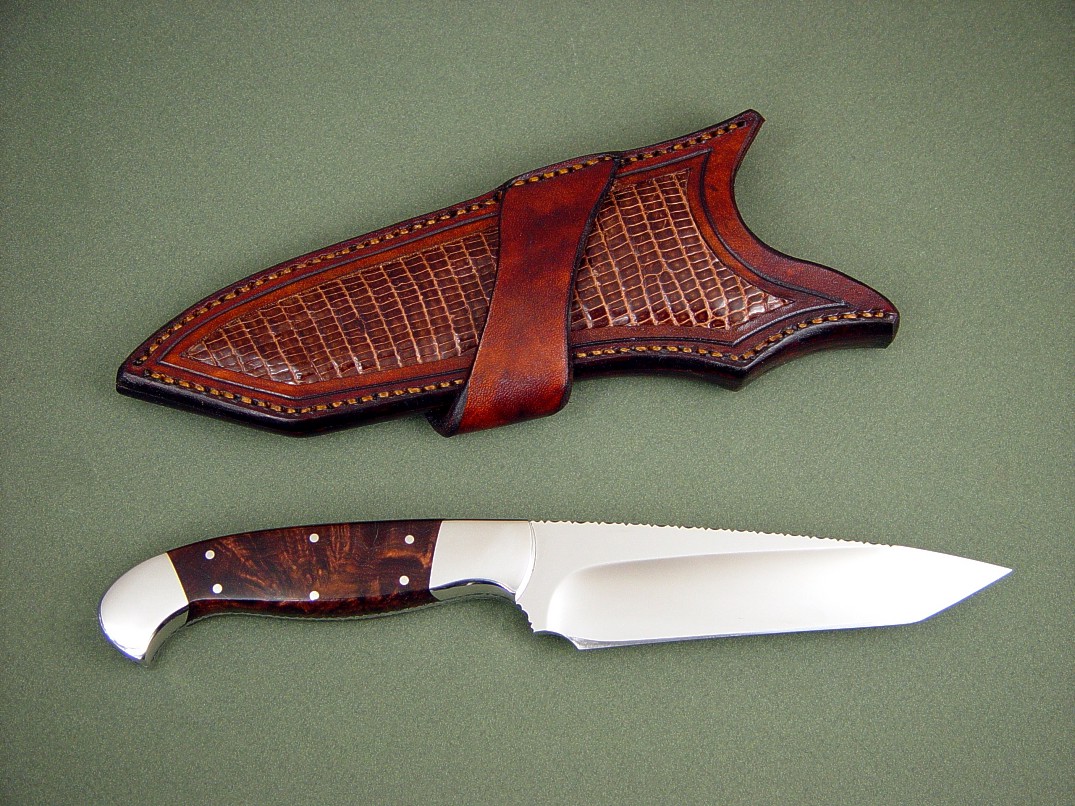
- Attention to Fit and Finish: Joints between blade, bolster, and handle should be tight, with no gaps or rough spots. A polished, well-finished surface is a sign of careful workmanship.
Examining the Handle and Balance
The handle is just as important as the blade when it comes to comfort and control. Here’s what to look for:
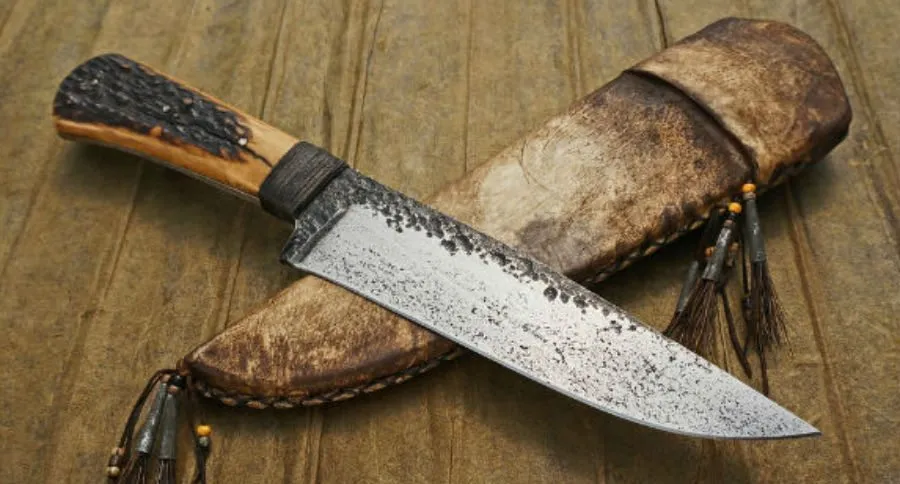
- Material Quality: Premium forged knives often feature handles made from hardwood, micarta, or stabilized composites. These materials offer durability and a secure grip.
- Ergonomics: The handle should feel comfortable in your hand, with contours that fit your grip. Poorly shaped handles can lead to fatigue or even injury during extended use.
- Balance Point: A well-balanced knife will have its center of gravity near the bolster, making it easier to maneuver and reducing strain on your wrist.
- Secure Rivets or Fasteners: Rivets should be flush with the handle’s surface and evenly spaced. Loose or protruding rivets are a red flag for poor assembly.
If you’re considering a custom piece, reviewing custom knife maker selection tips can help you choose a reputable smith who prioritizes these quality elements.
Blade Details: What Sets Forged Knives Apart
Forged knives typically display certain characteristics that distinguish them from stamped or cheaply made blades. Here are some details to inspect:
- Distinct Forging Lines: Subtle lines or patterns near the spine or bolster can indicate hand-forging. These are not flaws but signs of traditional craftsmanship.
- Thicker Spine: Forged blades often have a thicker spine that tapers toward the edge, providing strength and rigidity.
- Consistent Blade Geometry: The blade should have a gradual, even taper from spine to edge and from heel to tip, ensuring precise cuts and easy sharpening.
- Proper Heat Treatment: A quality forged knife will have undergone careful heat treatment, resulting in a blade that holds its edge and resists chipping.
For those interested in the art and science behind blade creation, this in-depth look at Japanese sword forging offers insight into traditional forging processes and why they matter for knife quality.
Testing and Maintaining Your Forged Knife
Even the best blade requires proper care and occasional testing to ensure it performs as intended. Here’s how to keep your forged knife in top shape:
- Edge Retention Test: Carefully slice through paper or a tomato to check for sharpness and smoothness. A high-quality forged knife should glide through with minimal resistance.
- Visual Inspection: Regularly check for chips, rust, or loose handle components. Addressing small issues early can prevent bigger problems down the line.
- Sharpening: Use a whetstone or honing rod suitable for your knife’s steel type. Avoid pull-through sharpeners, which can damage the edge.
- Cleaning: Hand wash and dry your knife immediately after use. Avoid dishwashers, as harsh detergents and heat can damage both blade and handle.
For those with older blades, learning about restoring old forged knives can help bring vintage or neglected pieces back to life.
Common Pitfalls and Red Flags
Not all knives marketed as “forged” meet the standards of true craftsmanship. Watch out for these warning signs:
- Loose or Wobbly Handles: Indicates poor assembly and can be dangerous during use.
- Gaps Between Blade and Handle: Dirt and moisture can collect in these spaces, leading to corrosion and hygiene issues.
- Unmarked or Generic Steel: Quality knives typically specify the steel type. Vague or missing markings may signal lower-grade materials.
- Overly Light Weight: While comfort is important, a forged knife should feel substantial in hand. Extremely light knives are often stamped or poorly forged.
- Rough or Sharp Edges on Handle: Indicates a lack of finishing, which can cause discomfort or injury.
Frequently Asked Questions
How can I tell if a knife is truly forged and not stamped?
Look for a pronounced bolster, full tang construction, and a thicker spine that tapers toward the edge. Forged knives often have subtle forging lines and feel more substantial compared to stamped blades, which are typically lighter and lack a bolster.
What steel types are best for forged knives?
High-carbon stainless steels, such as VG-10, 1095, or German X50CrMoV15, are popular for their hardness, edge retention, and corrosion resistance. The best steel depends on your intended use and maintenance preferences.
Is it worth investing in a more expensive forged knife?
Yes, a well-made forged knife offers superior balance, durability, and cutting performance. While the upfront cost is higher, the longevity and reliability often justify the investment, especially for frequent cooks or professionals.
Conclusion
Identifying the signs of quality forged knife craftsmanship is key to selecting a blade that will perform reliably and last for years. By paying attention to construction details, materials, and finishing, you can confidently choose a knife that meets your needs and stands up to daily use. Whether you’re upgrading your kitchen tools or starting a collection, understanding these hallmarks ensures you always spot the real deal.