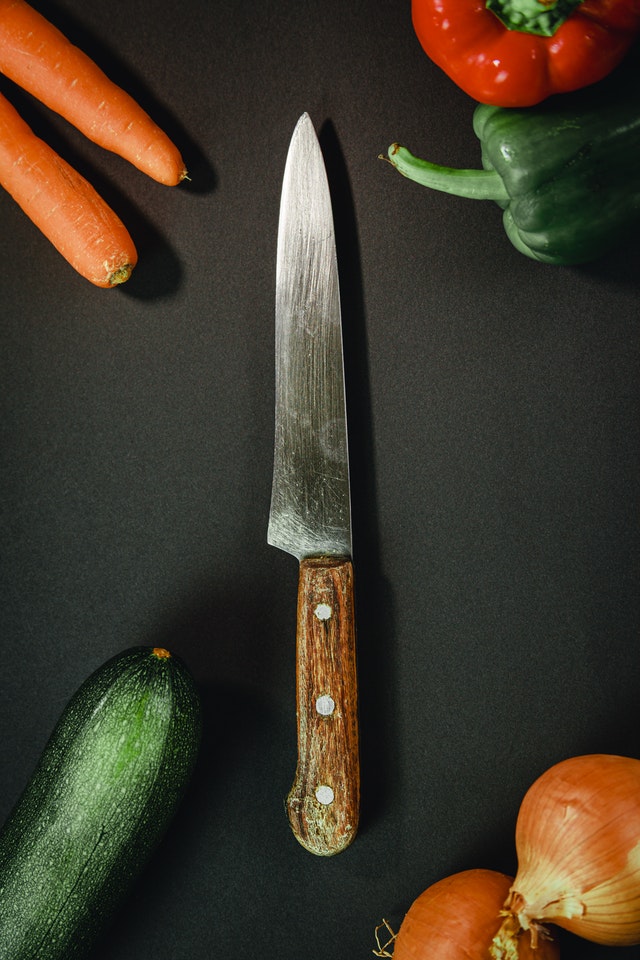
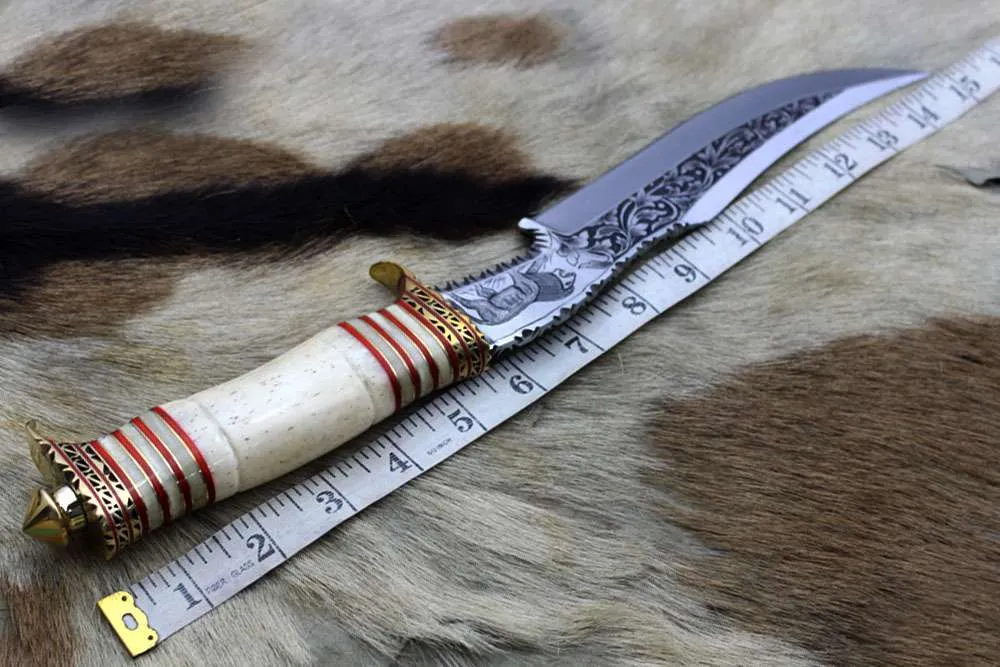
Choosing the right kitchen knife can transform your cooking experience, offering better control, precision, and enjoyment. For those seeking exceptional quality and craftsmanship, hand forged kitchen knives stand out as a top choice. This guide explores the world of artisan blades, highlighting what sets them apart, how to select the best one for your needs, and what to look for in terms of materials, design, and maintenance.
Whether you’re a home cook or a professional chef, understanding the nuances of hand-forged blades can help you make an informed decision. If you’re interested in learning more about the process of finding a skilled artisan, check out these custom knife maker selection tips for additional insights.
Why Choose Artisan Kitchen Knives?
Hand-forged blades are more than just tools—they are the result of centuries-old techniques, skilled craftsmanship, and a dedication to quality. Unlike mass-produced alternatives, each piece is shaped, tempered, and sharpened by hand, resulting in a unique and durable product.
- Superior Edge Retention: Forged knives typically hold their edge longer, reducing the need for frequent sharpening.
- Balance and Comfort: The forging process allows for better weight distribution, making the knife easier and safer to handle.
- Unique Aesthetics: Each blade carries distinctive patterns and finishes, often reflecting the maker’s signature style.
- Longevity: With proper care, a hand-forged knife can last for generations.
Understanding the Forging Process
The process of forging a kitchen knife involves heating steel until it’s malleable, then hammering it into shape. This method not only strengthens the blade but also creates a denser, more resilient structure. For those interested in the technical side, forging techniques in cutlery offer a deeper look at the methods and artistry involved.
Key steps in the forging process include:
- Heating: The steel is heated in a forge until it reaches the right temperature for shaping.
- Hammering: The hot steel is repeatedly hammered to form the blade’s profile and refine its grain structure.
- Quenching: The blade is rapidly cooled in oil or water, hardening the steel.
- Tempering: The blade is reheated at a lower temperature to reduce brittleness and improve toughness.
- Finishing: Grinding, polishing, and sharpening complete the process, resulting in a razor-sharp edge.
Types of Hand-Forged Culinary Blades
There are several types of kitchen knives crafted by hand, each designed for specific tasks. Understanding the differences can help you build a set that meets your culinary needs.
- Chef’s Knife: The most versatile blade, ideal for chopping, slicing, and dicing a variety of ingredients.
- Paring Knife: Perfect for peeling, trimming, and detailed work.
- Bread Knife: Features a serrated edge for cutting through crusty loaves without crushing them.
- Santoku: A Japanese all-purpose knife, great for slicing, dicing, and mincing.
- Boning Knife: Designed for deboning meat and fish with precision.
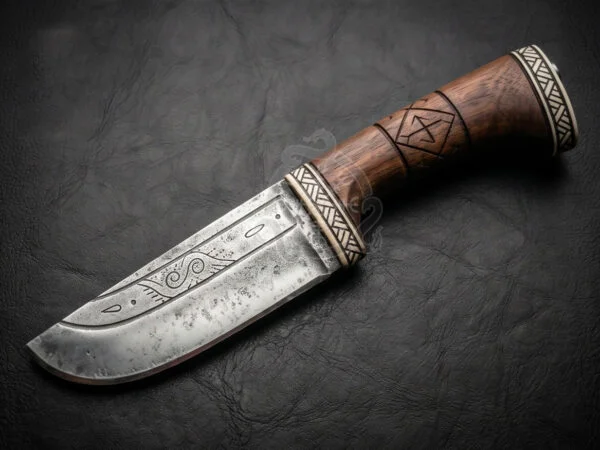
Key Materials Used in Forged Knives
The choice of steel and handle material greatly influences a knife’s performance and feel. Here are some common options:
| Material | Properties | Best For |
|---|---|---|
| High Carbon Steel | Excellent sharpness, easy to hone, prone to rust if not cared for | Professional chefs, enthusiasts |
| Stainless Steel | Corrosion-resistant, lower maintenance, slightly softer edge | Home cooks, humid environments |
| Damascus Steel | Layered appearance, combines toughness and sharpness | Collectors, those seeking aesthetics and performance |
| Wood Handles | Warm feel, traditional look, requires periodic oiling | Classic kitchens, those valuing comfort |
| Composite Handles | Durable, moisture-resistant, modern appearance | Busy kitchens, commercial use |
How to Choose the Right Hand-Forged Knife
When selecting a hand-crafted blade, consider the following factors to ensure you get the best fit for your needs:
- Purpose: Identify the main tasks you’ll use the knife for. A chef’s knife is a solid all-rounder, while a paring knife excels at detail work.
- Weight and Balance: Hold the knife to assess its comfort. The balance point should feel natural in your hand.
- Blade Shape: Different shapes are suited for specific techniques—curved blades for rocking cuts, straight edges for push cuts.
- Handle Comfort: Choose a handle that fits your grip and feels secure, especially if you cook for extended periods.
- Maintenance: Some steels require more care to prevent rust and maintain sharpness. Consider your willingness to perform regular upkeep.
If you have an older blade that’s seen better days, you might be interested in restoring old forged knives to bring them back to life.
Care and Maintenance Tips for Artisan Blades
Proper care is essential to preserve the performance and beauty of your hand-forged knife. Follow these guidelines:
- Hand Wash Only: Avoid dishwashers, as harsh detergents and heat can damage both blade and handle.
- Dry Immediately: Wipe the knife dry after washing to prevent rust and water spots, especially on high-carbon blades.
- Regular Honing: Use a honing rod to maintain the edge between sharpenings.
- Sharpen as Needed: Depending on usage, sharpen your blade with a whetstone or professional service.
- Store Safely: Use a knife block, magnetic strip, or blade guard to protect the edge and prevent accidents.
Spotting Quality in Hand-Forged Blades
Not all artisan knives are created equal. Here’s what to look for when evaluating craftsmanship:
- Even Grind: The blade should have a consistent, symmetrical grind from heel to tip.
- Seamless Fit: The handle and blade should join smoothly, with no gaps or rough spots.
- Clean Finish: Look for a well-polished blade and handle, free from tool marks or blemishes.
- Maker’s Mark: Authentic hand-forged knives often bear the smith’s stamp or signature.
Frequently Asked Questions
What makes a hand-forged kitchen knife different from a factory-made one?
Hand-forged knives are crafted individually by skilled artisans using traditional methods. This results in a denser, stronger blade with unique characteristics, superior balance, and longer-lasting sharpness compared to mass-produced knives.
How do I maintain a hand-forged culinary knife?
Always wash by hand, dry immediately, and store safely. Regular honing and occasional sharpening will keep the edge in top condition. For high-carbon blades, apply a light coat of oil to prevent rust.
Is it worth investing in a hand-forged knife for home cooking?
For those who value performance, durability, and craftsmanship, investing in an artisan blade can elevate your cooking experience. With proper care, these knives can last a lifetime and often become cherished kitchen tools.