The world of knife making has undergone a remarkable transformation in recent years. What was once a domain defined by centuries-old traditions and manual skill is now being reshaped by a wave of modern knife forging innovations. Today’s bladesmiths are blending advanced technology with time-honored techniques, resulting in knives that are not only more precise and durable but also more accessible to enthusiasts and professionals alike.
Whether you’re a collector, a chef, or simply fascinated by craftsmanship, understanding how technology is changing the landscape of knife forging can help you appreciate the artistry and performance behind each blade. For those interested in choosing the right artisan, our custom knife maker selection tips provide valuable guidance on finding a smith who embraces both tradition and innovation.
Blending Tradition with Advanced Technology
Knife forging has always been a blend of art and science. Traditional blacksmiths relied on their senses and experience to judge temperatures, hammer blows, and steel quality. However, the introduction of modern knife forging innovations has elevated the craft to new heights. Today’s smiths use digital temperature controls, computer-aided design (CAD), and even 3D modeling to plan and execute their creations with unprecedented accuracy.
One of the most significant advances is the use of induction forges and digitally controlled kilns. These tools allow for precise heating and cooling cycles, resulting in blades with superior grain structure and consistent hardness. This level of control was simply not possible with traditional coal or gas forges, where temperature fluctuations could lead to inconsistencies in the finished product.
For those interested in restoring classic blades, the article on restoring old forged knives explores how both old and new methods can be used to bring vintage knives back to life.
Materials Revolution: Powder Metallurgy and Beyond
Another major leap in the evolution of knife making is the introduction of advanced steel alloys and powder metallurgy. These materials, engineered at the microscopic level, offer a combination of toughness, edge retention, and corrosion resistance that traditional steels struggle to match. Powder metallurgy, in particular, allows for the creation of “super steels” with uniform grain structure and the ability to incorporate elements like vanadium and molybdenum for enhanced performance.
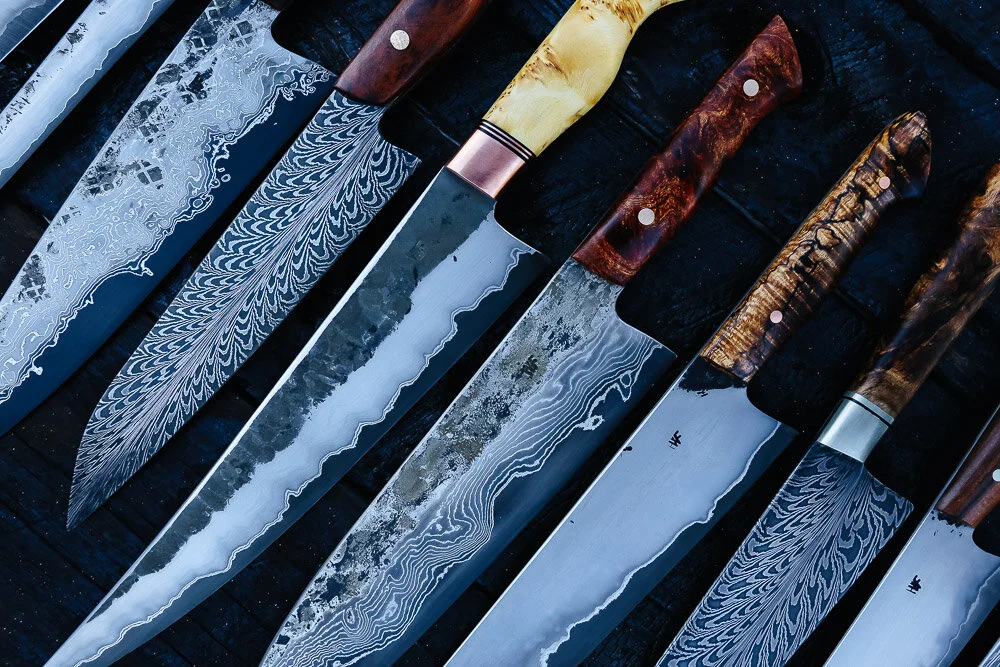
Blades made from these high-tech materials are prized for their sharpness and durability. They also open up new possibilities for design, such as intricate Damascus patterns and layered composites that were once impossible or prohibitively expensive to produce by hand.
Precision Engineering: CNC and Laser Technology
Computer Numerical Control (CNC) machines and laser cutters have become staples in the workshops of forward-thinking bladesmiths. These tools enable the precise shaping and finishing of blades, handles, and even decorative elements. With CNC milling, smiths can achieve tolerances measured in thousandths of an inch—far beyond what can be done by hand alone.
Laser etching and cutting also allow for intricate logos, patterns, and even text to be added to blades and handles. This not only enhances the aesthetic appeal but also provides opportunities for personalization and branding that were once limited to hand engraving.
While some purists may argue that these methods take away from the “soul” of handmade knives, many modern artisans see them as tools that free up time for creative experimentation and refinement. The result is a new generation of knives that combine the best of both worlds: the heart of craftsmanship with the precision of technology.
Smart Tools and Digital Workflows in Knife Making
Digital workflows are now integral to many knife makers’ processes. From initial concept sketches on tablets to 3D modeling software that simulates blade geometry and balance, technology helps smiths visualize and refine their designs before a single piece of steel is heated. This reduces waste, speeds up prototyping, and allows for rapid iteration—key advantages in a competitive market.
Some workshops have even adopted smart sensors and data logging to monitor forging temperatures, hammer strikes, and quenching cycles. This data-driven approach ensures repeatability and helps identify areas for improvement, leading to consistently higher quality blades.
For a deeper dive into the technical side of these processes, the comprehensive guide to forging techniques and processes provides an excellent overview of both traditional and modern methods.
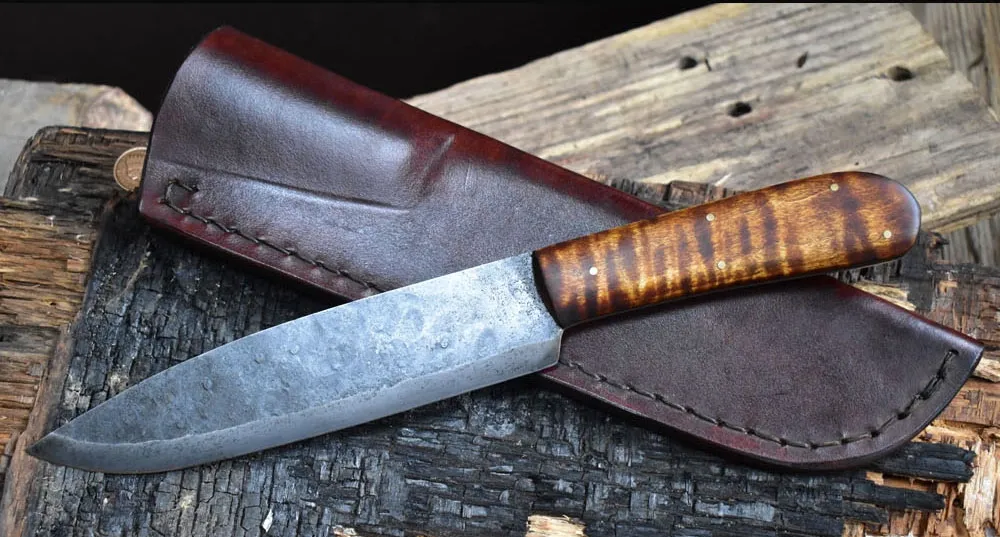
Eco-Friendly Approaches and Sustainability
As environmental awareness grows, many knife makers are adopting sustainable practices. Modern forges are designed to be more energy-efficient, and some shops use recycled steels or responsibly sourced materials for handles and sheaths. Waterjet cutting, for example, minimizes material waste by optimizing the layout of blade blanks on steel sheets.
In addition, eco-friendly finishes and non-toxic adhesives are becoming more common, reducing the environmental impact of the knife making process. These changes not only benefit the planet but also appeal to consumers who value sustainability in their purchases.
What These Innovations Mean for Collectors and Users
The impact of these technological advancements is felt throughout the knife community. Collectors now have access to blades with unparalleled performance and beauty, while chefs and outdoors enthusiasts benefit from tools that stay sharper longer and require less maintenance. The fusion of technology and tradition has also led to a wider range of styles, finishes, and price points, making high-quality knives accessible to more people than ever before.
For those looking to invest in a new blade, it’s worth considering how these advances influence not just the look and feel of a knife, but also its long-term reliability and ease of care. As the industry continues to evolve, the best knives will likely be those that strike a balance between heritage and innovation.
Frequently Asked Questions
How do modern forging techniques improve knife performance?
Advanced methods such as digital temperature control and powder metallurgy result in blades with more consistent hardness, improved edge retention, and greater resistance to corrosion. These processes allow for precise manipulation of steel properties, leading to knives that outperform those made with older techniques.
Are knives made with new technologies still considered handmade?
Many contemporary bladesmiths use a combination of handcrafting and modern tools like CNC machines and digital kilns. While technology assists in achieving precision, the final shaping, finishing, and sharpening are often done by hand, preserving the artisan’s touch in each piece.
What should I look for when buying a knife that uses innovative forging methods?
Consider the type of steel, the maker’s reputation, and the specific technologies used in the forging process. Look for clear information about materials and methods, as well as reviews or certifications that demonstrate quality and performance. It’s also helpful to choose makers who are transparent about their processes and committed to both tradition and innovation.