The hand forging knife process is a centuries-old craft that transforms raw steel into a functional and beautiful blade. This method is prized for producing knives with unique character, strength, and sharpness. Whether you’re a collector, aspiring bladesmith, or simply curious about how artisan knives are made, understanding each step of this process reveals why hand-forged blades are so highly valued.
In this guide, we’ll break down each stage of the craft, from selecting materials to the final sharpening. Along the way, you’ll discover what sets hand-forged knives apart from mass-produced alternatives and why so many enthusiasts seek out these one-of-a-kind tools. If you’re interested in choosing a maker for your own custom blade, be sure to check out these custom knife maker selection tips for practical advice on finding the right smith.
Choosing Steel and Preparing Materials
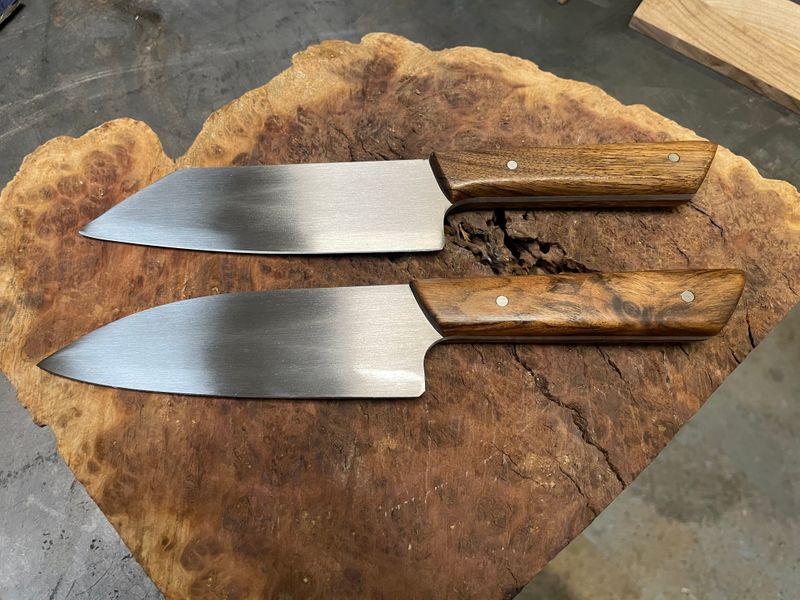
Every quality knife begins with the right steel. Bladesmiths select from a range of carbon and alloy steels, each offering different balances of hardness, toughness, and edge retention. Common choices include 1095, 5160, and tool steels like O1 or W2. The steel is typically cut into a bar or billet, cleaned, and sometimes normalized to relieve internal stresses before forging begins.
Some makers incorporate additional materials, such as nickel or wrought iron, especially when creating pattern-welded or Damascus blades. The initial preparation ensures the steel is free from contaminants and ready for the intense heat and hammering that follows.
Heating and Shaping: The Heart of Forging
The core of the hand forging knife process is heating the steel in a forge until it reaches a bright orange or yellow temperature—usually between 1,500°F and 2,000°F (815°C to 1,095°C). At this stage, the metal becomes malleable and can be shaped with a hammer and anvil.
Forging starts by drawing out the steel to the desired length and thickness. The smith then forms the tang (the part of the blade that extends into the handle) and begins to establish the blade’s profile. This step requires skill and precision, as every hammer blow influences the final geometry and performance of the knife.

Refining the Blade: Drawing, Beveling, and Normalizing
Once the rough shape is established, the smith continues to refine the blade by drawing out the edge and forming the bevels. This is where the knife’s cutting geometry takes shape. The smith alternates between heating and hammering, carefully monitoring the thickness and symmetry of the blade.
After forging, the blade is normalized—heated to a critical temperature and allowed to cool in still air. This process relieves stresses introduced during forging and refines the grain structure of the steel, which is essential for a strong, reliable blade.
Annealing and Profiling
Annealing follows normalization. The blade is heated again and then cooled slowly, often in insulating material like vermiculite or ash. This softens the steel, making it easier to grind and file. At this stage, the smith grinds the blade to its final profile, cleans up the bevels, and ensures the tang fits the intended handle design.
Profiling is a critical step for both aesthetics and function. The smith checks for straightness, removes any forging scale, and prepares the blade for heat treatment.
Heat Treating: Hardening and Tempering
Heat treatment is what gives a hand-forged knife its cutting ability and durability. The blade is heated to its critical temperature and then quenched—rapidly cooled in oil or water. This hardens the steel, but also makes it brittle. To restore toughness, the blade is tempered by reheating it to a lower temperature (typically 350°F–450°F or 175°C–230°C) and then allowing it to cool. This balance of hardness and flexibility is what makes a forged knife both sharp and resilient.
Proper heat treatment is a hallmark of skilled bladesmiths. Mistakes at this stage can lead to cracks, warping, or a blade that won’t hold an edge.
Grinding, Polishing, and Sharpening
With the blade hardened and tempered, the smith moves on to grinding. Using belts or stones, the blade is brought to its final thickness and edge geometry. This step removes any remaining scale and smooths out hammer marks, revealing the blade’s true shape. For pattern-welded or Damascus knives, this is also when the distinctive patterns emerge through etching and polishing.
Polishing not only enhances appearance but also helps prevent corrosion. The edge is then sharpened, often by hand, to achieve the desired cutting performance. Some makers will test the blade at this stage to ensure it meets their standards for sharpness and durability.
Handle Construction and Assembly
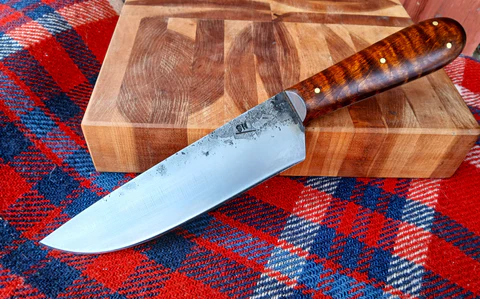
While the blade is the star, a well-crafted handle is essential for comfort and control. Handles are typically made from hardwoods, stabilized woods, or synthetic materials. The tang is fitted to the handle, which may be secured with pins, rivets, or epoxy. The handle is shaped, sanded, and finished to feel comfortable in the hand and to complement the blade’s design.
Some knives feature decorative elements such as mosaic pins, filework, or inlays. The smith ensures the handle is securely attached and that the entire knife is balanced and ready for use.
Final Touches and Quality Control
Before a hand-forged knife leaves the workshop, it undergoes a final inspection. The smith checks for straightness, sharpness, and overall fit and finish. Any minor adjustments are made, and the blade may receive a protective coating of oil or wax. The finished knife is now ready for use, display, or sale.
For those interested in restoring vintage blades, learning about restoring old forged knives can help bring new life to classic pieces using similar principles of craftsmanship and care.
Why Choose Hand-Forged Knives?
Hand-forged knives are valued for their individuality, performance, and connection to tradition. Each blade is shaped by the maker’s hands, resulting in subtle variations and unique characteristics. These knives often feature superior edge retention, toughness, and a distinctive aesthetic that sets them apart from factory-produced blades.
Many chefs, outdoors enthusiasts, and collectors appreciate the story and skill behind each hand-forged knife. The process also allows for customization, making it possible to tailor a blade’s size, shape, and materials to the user’s preferences.
For a deeper dive into the craft, you can explore resources like this comprehensive guide on how knives are forged, which covers additional techniques and historical context.
Frequently Asked Questions
What makes the hand forging knife process different from factory production?
Hand forging involves shaping steel with heat and hammering, allowing for precise control over the blade’s geometry and grain structure. Factory knives are often stamped or cut from sheet steel and then machine-ground, which can result in less durable blades. The artisan approach also allows for unique designs and custom features.
How long does it take to make a hand-forged knife?
The time required varies based on the complexity of the design and the smith’s experience. A simple utility knife might take several hours, while a complex chef’s knife or Damascus blade can require several days of work, including forging, heat treating, grinding, and finishing.
Can hand-forged knives be restored if damaged?
Yes, many hand-forged knives can be restored, especially if the blade is structurally sound. Restoration may involve regrinding, polishing, rehandling, or even re-heat treating. For more details, see the article on restoring old forged knives for practical advice and techniques.
Are hand-forged knives better for professional chefs?
Many professional chefs prefer hand-forged knives for their balance, sharpness, and durability. The ability to customize the blade and handle to personal preferences is another advantage. However, the best knife is ultimately the one that feels right in the user’s hand and suits their cutting style.
Conclusion
The hand forging knife process is a blend of art and science, requiring skill, patience, and attention to detail. From selecting the right steel to the final polish, each step contributes to a knife that is not only functional but also a reflection of the maker’s craftsmanship. Whether you’re considering purchasing a hand-forged blade or simply want to appreciate the work that goes into these tools, understanding the process adds a new level of respect for this enduring tradition.