When choosing a high-quality knife, one of the most important factors to consider is knife edge retention in forged blades. Edge retention refers to how long a knife can maintain its sharpness during use before needing to be resharpened. For chefs, outdoors enthusiasts, and collectors alike, a blade that stays sharp longer means better performance, less maintenance, and a more enjoyable experience overall.
Forged knives, crafted through time-tested techniques, are often celebrated for their durability and cutting ability. But what makes their edge retention stand out? Understanding the science and craftsmanship behind these blades can help you make informed decisions when selecting your next knife.
For those interested in finding the right craftsman for their needs, reviewing custom knife maker selection tips can be a valuable step in the process of choosing a blade with excellent edge retention.
Understanding Edge Retention and Its Importance
Edge retention is a measure of how well a knife maintains its sharpness over time and use. This quality is crucial for anyone who relies on their blade for precision and safety. A knife that dulls quickly requires frequent sharpening, which can be inconvenient and, over time, can reduce the blade’s lifespan. In contrast, a blade with superior edge retention offers:
- Consistent cutting performance for longer periods
- Less frequent sharpening and maintenance
- Improved safety, as dull blades are more prone to slipping
- Greater value and longevity
Forged knives are often chosen for their ability to hold an edge, making them a preferred option for professionals and enthusiasts who demand reliability from their tools.
How Forging Influences Edge Retention
The process of forging involves heating a piece of steel and shaping it under high pressure, which aligns the grain structure and increases the density of the metal. This traditional method produces blades that are not only strong but also capable of maintaining a sharp edge. Several factors contribute to the impressive edge retention found in forged knives:
- Grain alignment: Forging aligns the steel’s internal structure, reducing weak points and enhancing durability.
- Controlled hardness: The forging and subsequent heat treatment allow for precise control over the blade’s hardness, balancing edge retention with toughness.
- Reduced impurities: The intense heat and pressure help eliminate flaws and inclusions that could compromise the edge.
For a deeper look at how these techniques impact performance, you can read about forging techniques and processes used by expert bladesmiths.
Key Factors Affecting Knife Edge Retention in Forged Blades
Not all forged knives are created equal. Several elements determine how well a forged blade will keep its edge:
-
Steel Composition:
The type of steel used plays a major role. High-carbon steels, for example, are known for their ability to take and hold a fine edge. Stainless steels with added elements like vanadium or molybdenum can also offer excellent edge retention while resisting corrosion.
-
Heat Treatment:
Proper heat treatment is essential for optimizing a blade’s hardness and toughness. Over- or under-heating can result in a blade that chips easily or dulls quickly.
-
Blade Geometry:
The shape and thickness of the blade influence how the edge wears. A thin, acute edge may slice more easily but could be more prone to damage, while a slightly thicker edge may last longer under heavy use.
-
Usage and Care:
Even the best-forged knife will lose its edge if misused. Cutting on hard surfaces, improper cleaning, or neglecting regular honing can all reduce edge retention.
Comparing Forged Blades to Stamped Blades for Edge Retention
One of the most common questions is how forged knives compare to stamped knives in terms of edge retention. Stamped blades are cut from flat sheets of steel and then heat-treated, while forged blades are shaped under heat and pressure. The forging process typically results in:
- Greater density and strength
- More consistent grain structure
- Improved ability to hold a sharp edge
While some high-end stamped knives can offer good performance, forged knives are generally superior when it comes to maintaining sharpness over time, especially for demanding tasks in the kitchen or outdoors.
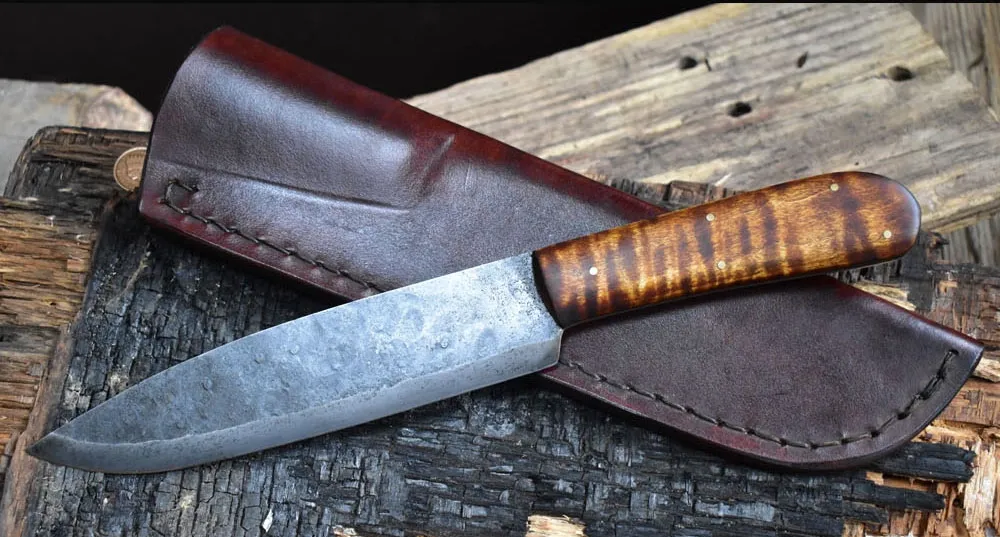
Tips for Maximizing the Edge Life of Forged Knives
Even the best blade requires proper care to ensure lasting sharpness. Here are some practical tips to help you get the most out of your forged knife:
- Use a wooden or plastic cutting board to avoid damaging the edge.
- Hone your knife regularly with a honing rod to maintain alignment.
- Hand wash and dry your knife immediately after use to prevent corrosion.
- Store your knife in a block, sheath, or on a magnetic strip to protect the edge.
- Resharpen only when necessary, using the correct angle for your blade.
Following these steps will help preserve the edge retention qualities that make forged knives so reliable and effective.
Frequently Asked Questions
What is the main advantage of forged knives regarding edge retention?
Forged knives typically offer superior edge retention compared to stamped blades due to their denser grain structure and controlled hardness. This means they stay sharper for longer, even with regular use.
How often should I sharpen a forged knife?
The frequency depends on usage, but with proper care and regular honing, many forged knives only need sharpening every few months. Heavy use or improper cutting surfaces may require more frequent sharpening.
Does the type of steel affect edge retention?
Yes, steel composition is a key factor. High-carbon steels and certain stainless alloys are known for their ability to hold a sharp edge. The forging process enhances these properties, but the steel’s makeup is fundamental.
Conclusion
Choosing a forged knife with excellent edge retention is a smart investment for anyone who values performance and longevity in their cutting tools. By understanding the factors that contribute to edge retention—such as forging methods, steel composition, and proper care—you can select a blade that will serve you well for years to come. Whether you are a professional chef or a home cook, prioritizing this feature ensures a safer, more efficient, and more satisfying experience every time you use your knife.