
The debate between hand forged vs machine made knives is a central topic for chefs, collectors, and home cooks alike. Choosing the right knife can impact everything from food preparation to long-term satisfaction in the kitchen. Both hand-forged and machine-made blades have unique characteristics, strengths, and drawbacks. Understanding these differences helps buyers make informed decisions based on their needs, preferences, and budget.
In this article, we’ll break down the key differences between artisan-forged knives and those produced by modern machinery. We’ll examine how each type is made, their performance, durability, cost, and the factors that matter most when selecting a kitchen knife. For those interested in the craft behind blades, you’ll also find a helpful overview of the knife-making process from a professional perspective.
How Hand-Forged Knives Are Made
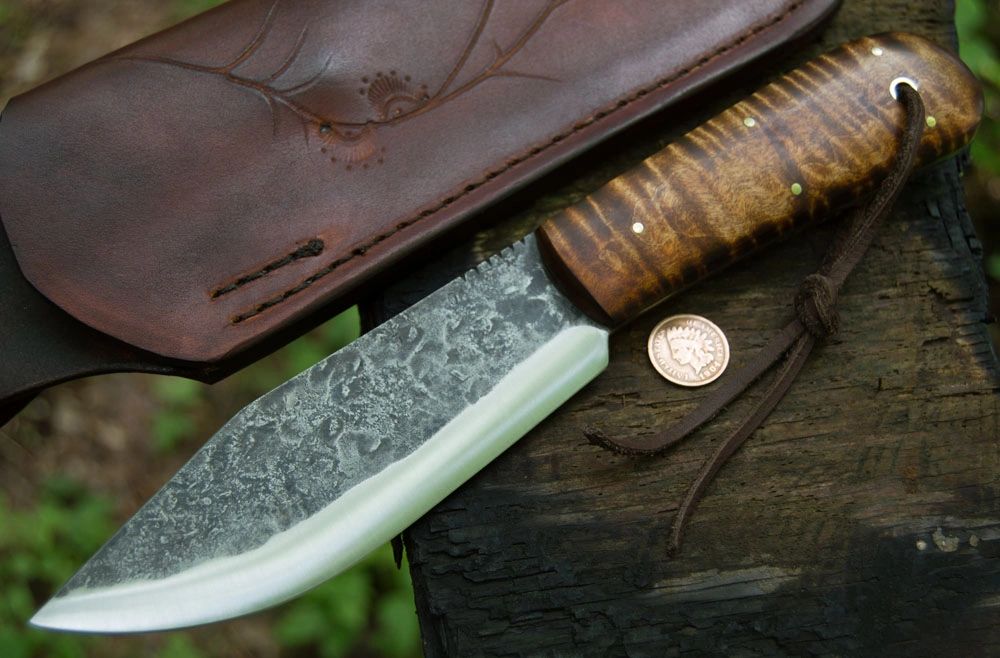
Hand-forged knives are crafted by skilled artisans using traditional techniques. The process starts with a piece of steel, which is heated in a forge until it becomes malleable. The smith then hammers, shapes, and tempers the blade by hand, often folding and working the metal repeatedly to enhance its strength and structure.
This method allows for a high degree of customization and attention to detail. Each blade typically receives individual heat treatment, which can result in a unique grain structure and superior edge retention. Handles are often fitted and finished by hand, using natural materials like wood, horn, or bone.
- Unique craftsmanship: No two hand-forged knives are exactly alike.
- Material selection: Artisans can choose premium steels and handle materials.
- Attention to detail: Edges are often sharpened and polished by hand for optimal performance.
Machine-Made Knife Production Explained
Machine-made knives are produced using automated processes in factories. Large sheets or bars of steel are cut, stamped, or laser-cut into blade shapes. These blanks are then heat-treated in batches, ground to shape, and sharpened by machines. Handles are typically attached using assembly lines, often with synthetic materials for consistency and cost-effectiveness.
This approach allows for mass production, resulting in lower costs and greater uniformity. While some high-end brands use advanced machinery for precise tolerances, the process generally lacks the individual attention found in hand-forged blades.
- Consistency: Every knife in a batch is virtually identical.
- Efficiency: Production is faster and less labor-intensive.
- Affordability: Lower manufacturing costs translate to more accessible pricing.
Performance and Durability: Which Knife Lasts Longer?
When comparing hand-forged and machine-made knives in terms of performance, several factors come into play. Hand-forged blades often have a denser, more refined grain structure due to repeated hammering and folding. This can result in better edge retention and a blade that is less prone to chipping or breaking under stress.
Machine-made knives, while consistent, may not always achieve the same level of hardness or flexibility. However, advances in metallurgy and manufacturing have closed the gap, especially among reputable brands. Proper care and maintenance are crucial for both types, but hand-forged knives may require more attention to prevent rust and maintain their edge.
- Edge retention: Hand-forged blades typically hold a sharp edge longer.
- Maintenance: Both types need regular sharpening, but high-carbon hand-forged knives may need oiling to prevent corrosion.
- Durability: Quality machine-made knives can last for years, but artisan-forged blades often become heirlooms.
Price and Value: What Are You Paying For?
The cost difference between hand-forged and machine-made knives can be significant. Artisan blades often command higher prices due to the labor, skill, and materials involved. Buyers are paying for craftsmanship, uniqueness, and sometimes the prestige of owning a blade made by a renowned smith.
Machine-made knives, on the other hand, are generally more affordable and accessible. They are a practical choice for those on a budget or anyone seeking reliable performance without the need for custom features. Some high-end factory knives rival the performance of hand-forged options, but at a lower price point.
| Feature | Hand-Forged | Machine-Made |
|---|---|---|
| Price | High | Low to Moderate |
| Uniqueness | One-of-a-kind | Uniform |
| Edge Retention | Excellent | Good |
| Maintenance | More Required | Less Required |
| Availability | Limited | Widespread |
Choosing the Right Knife for Your Needs
Deciding between a hand-forged or machine-made knife depends on your priorities. If you value tradition, craftsmanship, and a unique tool that can be passed down, a hand-forged blade may be worth the investment. These knives often appeal to collectors and professional chefs who appreciate the nuances of custom work.
For everyday cooking, a well-made machine-produced knife offers excellent value and reliability. Modern manufacturing ensures sharpness, balance, and durability for most kitchen tasks. Consider your budget, how often you cook, and whether you want a showpiece or a dependable workhorse.
Key Differences Summarized
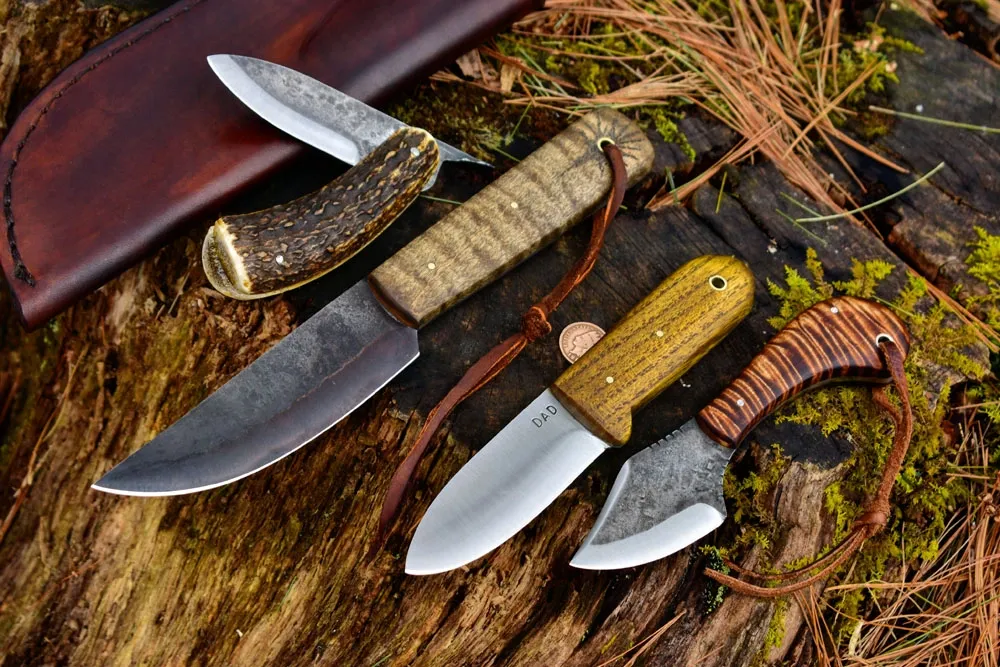
- Craftsmanship: Hand-forged knives are made individually by skilled smiths, while machine-made knives are mass-produced for consistency.
- Materials: Both types can use high-quality steel, but hand-forged blades often feature premium or exotic materials.
- Performance: Artisan blades may offer better edge retention and feel, but modern factory knives are highly reliable.
- Price: Expect to pay more for a hand-forged knife due to the labor and artistry involved.
- Maintenance: Hand-forged knives may require more care, especially if made from high-carbon steel.
Frequently Asked Questions
Are hand-forged knives always better than machine-made ones?
Not necessarily. While hand-forged knives often excel in craftsmanship and edge retention, high-quality machine-made knives can deliver excellent performance and durability. The best choice depends on your needs, preferences, and budget.
How can I tell if a knife is hand-forged?
Look for subtle irregularities in the blade and handle, as well as visible hammer marks or a unique pattern in the steel. Many hand-forged knives are also signed or stamped by the maker. Factory knives tend to be more uniform and may have visible seams from stamping or laser cutting.
Do hand-forged knives require special care?
Yes. Many artisan blades are made from high-carbon steel, which can rust if not properly maintained. Regular oiling, hand washing, and prompt drying are recommended. Machine-made stainless steel knives are generally easier to care for and more resistant to corrosion.
Conclusion
Understanding the distinctions between hand forged vs machine made knives empowers you to select the best tool for your kitchen. Whether you appreciate the artistry of a hand-crafted blade or the practicality of a factory-made knife, both options have their place. Consider your cooking habits, maintenance preferences, and budget to make a choice that will serve you well for years to come.