For enthusiasts and collectors, understanding premium handmade knife qualities is essential for making informed decisions. Whether you’re seeking a functional tool or a display-worthy piece, the characteristics that define a top-tier handcrafted blade go far beyond appearance. This article explores the key factors that set exceptional knives apart, from materials and craftsmanship to design and collectibility.
Collectors often look for more than just sharpness or durability. The artistry, heritage, and unique features of each blade play a significant role in its value and desirability. By focusing on the most important attributes, you can confidently evaluate and select knives that meet your expectations and stand the test of time.
Before diving into the essential features, it’s helpful to learn about traditional forging techniques. For a deeper look at the history and process behind handmade blades, see this comprehensive guide to Japanese sword forging.
Materials That Define High-End Handmade Knives
The foundation of any exceptional blade lies in its materials. When evaluating premium handmade knife qualities, pay close attention to the steel, handle, and fittings used.
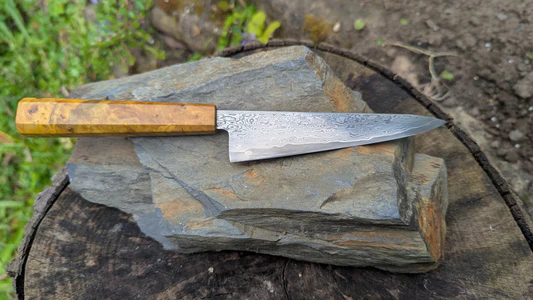
- Blade Steel: Top makers select high-carbon or specialty stainless steels for their balance of hardness, edge retention, and corrosion resistance. Common choices include Damascus, VG-10, and CPM-S35VN. These steels are prized for their performance and, in some cases, their distinctive patterns.
- Handle Materials: Exotic woods, stabilized burl, bone, horn, and micarta are often used for handles. These not only provide durability but also add aesthetic value and uniqueness to each piece.
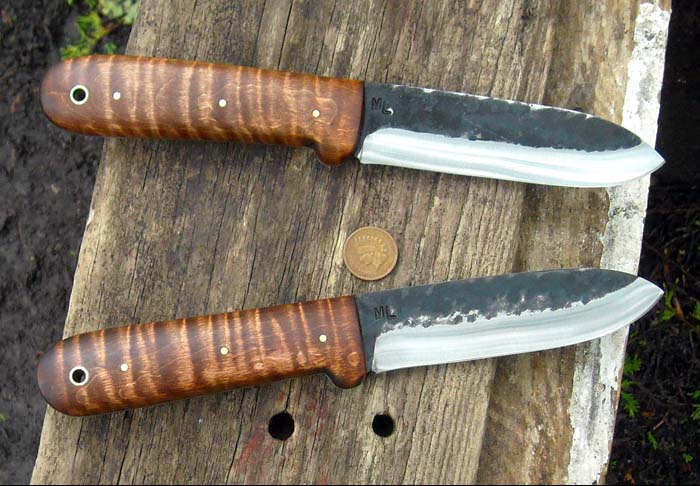
- Bolsters and Pins: Brass, nickel silver, mosaic pins, and other decorative elements are signs of attention to detail and quality craftsmanship.
Craftsmanship: The Hallmark of a Superior Blade
One of the most important qualities of a premium handmade knife is the maker’s skill. The difference between a mass-produced blade and a handcrafted one is often found in the details:
- Fit and Finish: Seamless transitions between blade, bolster, and handle are a sign of expert workmanship. There should be no gaps, rough edges, or visible glue.
- Blade Geometry: The grind, thickness, and edge profile affect cutting performance. A well-executed grind ensures the knife is sharp, balanced, and suited to its intended purpose.
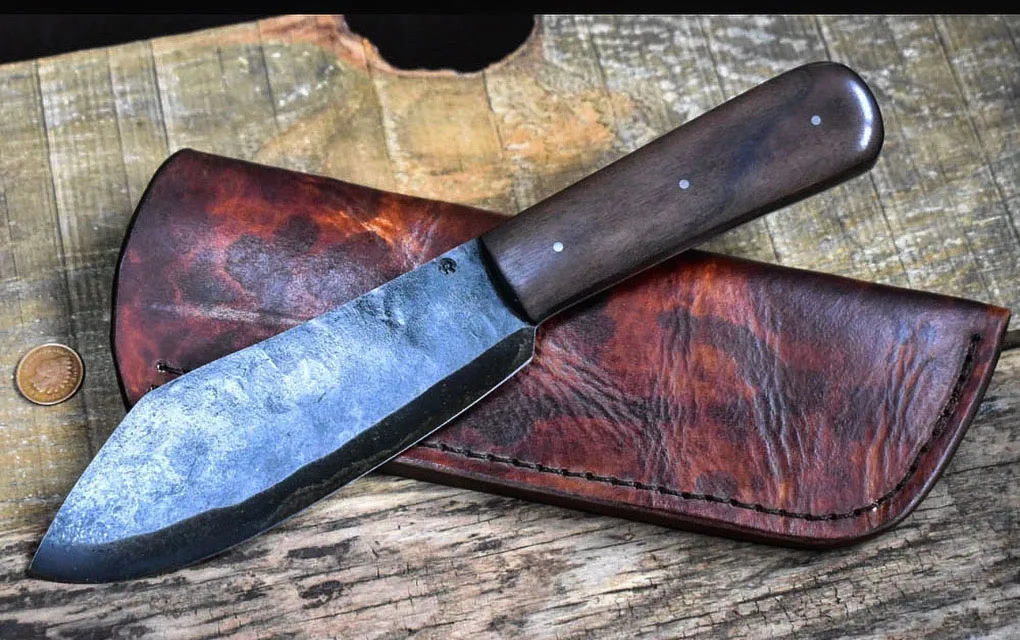
- Hand-Forged Details: Hammer marks, forge-welded patterns, and custom filework are unique to handmade knives and reflect the maker’s personal touch.
Collectors appreciate knives that not only function well but also display the artistry and dedication of their creators. These details often distinguish a collectible piece from an ordinary tool.
Design and Ergonomics: Balancing Form and Function
While aesthetics are important, the best handmade knives excel in both beauty and usability. Key design considerations include:
- Balance and Weight: A well-balanced knife feels comfortable in the hand and allows for precise control. The weight should be appropriate for the knife’s intended use.
- Handle Shape: Ergonomic handles reduce fatigue and improve grip, especially during extended use. Makers often contour handles to fit the hand naturally.
- Blade Shape: The profile of the blade—whether it’s a chef’s knife, skinner, or utility knife—should match the tasks it’s designed for.
Attention to these elements ensures that a knife is not only visually striking but also a pleasure to use.
Collectibility: What Makes a Knife Truly Valuable?
For many, the allure of collecting is about more than just owning a tool—it’s about acquiring a piece of history or artistry. Several factors influence the collectibility and long-term value of a handmade knife:
- Makers and Provenance: Knives crafted by renowned artisans or with documented histories are highly sought after. Limited editions, collaborations, and signed pieces often command premium prices.
- Rarity and Uniqueness: One-of-a-kind designs, rare materials, and custom features increase a knife’s desirability among collectors.
- Condition and Care: Well-maintained knives with original sheaths, boxes, or certificates retain their value. Proper storage and minimal use can preserve a knife’s condition for generations.
Understanding these aspects helps collectors make informed choices and build meaningful collections.
How to Evaluate and Care for Your Collection
Assessing premium handmade knife qualities requires both knowledge and attention to detail. Here are some practical tips for evaluating and preserving your collection:
- Inspect knives under good lighting to check for flaws or inconsistencies.
- Research makers and materials to understand what sets each piece apart.
- Store knives in dry, climate-controlled environments to prevent rust or damage.
- Regularly clean and oil blades, especially if they are carbon steel.
- Keep documentation, receipts, and certificates for provenance and resale value.
By following these practices, you can ensure your collection remains in top condition and retains its value over time.
Frequently Asked Questions
What are the most important features to look for in a high-end handmade knife?
Key features include quality blade steel, expert craftsmanship, ergonomic handle design, and unique or rare materials. The reputation of the maker and the knife’s provenance also play a significant role in its value.
How can I tell if a knife is truly handmade?
Handmade knives often display subtle variations, hand-finished details, and unique patterns that are not present in mass-produced blades. Look for signs such as hand-forged marks, custom filework, and seamless fit and finish.
Are premium handmade knives suitable for everyday use or just for display?
Many high-quality handmade knives are fully functional and designed for regular use. However, collectors may choose to reserve certain pieces for display due to their rarity, value, or artistic qualities. Ultimately, it depends on the owner’s preferences and the knife’s intended purpose.