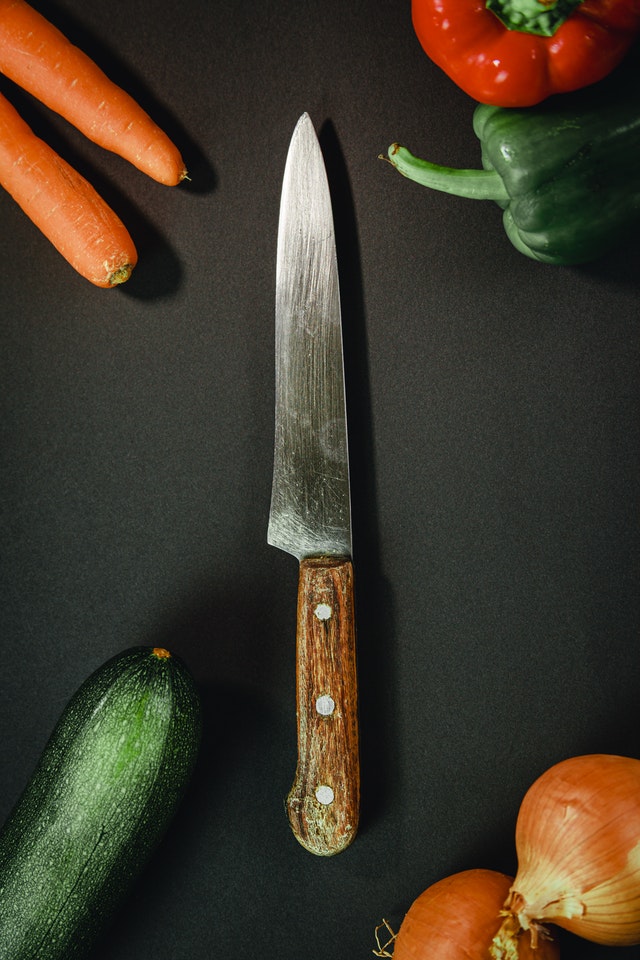
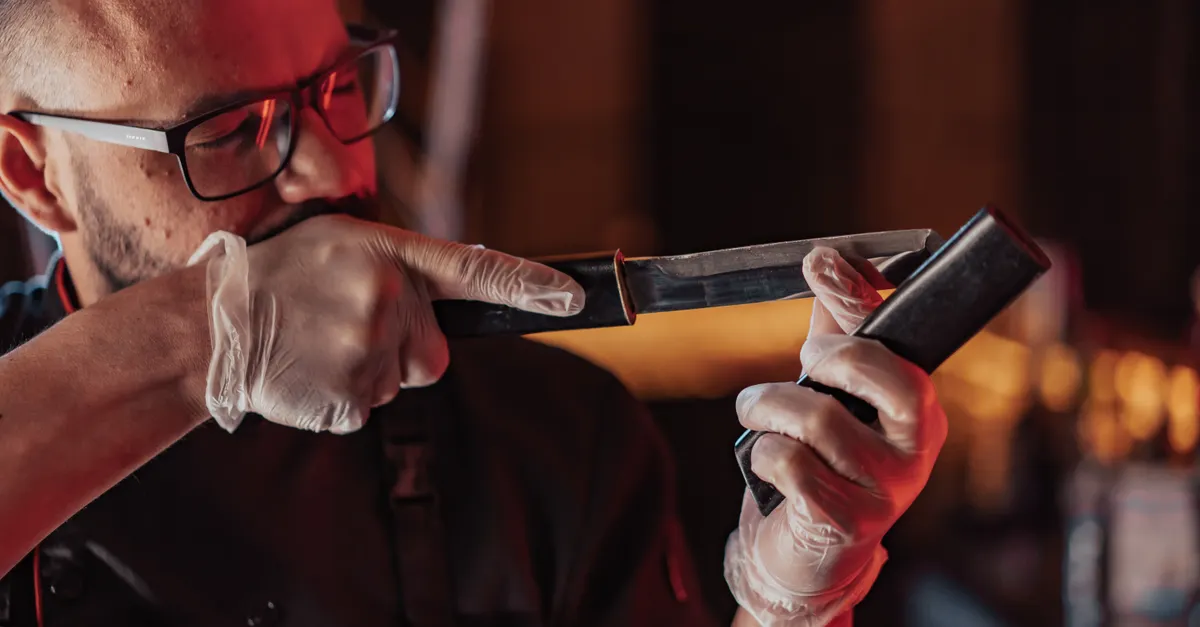
Japanese kitchen knives are renowned for their precision, sharpness, and craftsmanship. Whether you own a gyuto, santoku, or nakiri, these tools are more than just utensils—they’re an investment in your culinary experience. Proper japanese kitchen knife maintenance is essential to preserve their performance and ensure safety in the kitchen. This guide covers the most important care techniques, highlights the differences between carbon steel and stainless steel blades, and emphasizes safe practices, especially when it comes to sharpening and handling.
What Sets Japanese Kitchen Knives Apart?
Japanese kitchen knives are distinguished by their unique construction, blade geometry, and the traditional forging methods used in their creation. Unlike many Western knives, Japanese blades often feature a harder steel core, allowing for a sharper edge and finer cutting precision. The high hardness of Japanese kitchen knives, typically measured between 58-67 on the Rockwell scale, makes these knives exceptionally sharp but also more brittle if not cared for properly. The cultural heritage behind Japanese knife making, as explored in Japanese knife forging traditions, adds to their value and the need for attentive maintenance.
Comparing Carbon Steel and Stainless Steel: Maintenance Essentials
One of the most important aspects of japanese kitchen knife maintenance is understanding the difference between carbon steel and stainless steel blades. Each material has its own set of care requirements, and knowing these can help prevent rust, corrosion, and premature wear.
Carbon Steel Knives
Carbon steel Japanese knives are prized for their ability to take an incredibly sharp edge. However, they are highly reactive and prone to rust if not properly maintained. Immediate washing and thorough drying after each use are critical. Leaving moisture or acidic food residue on the blade can quickly lead to discoloration or rust spots. Over time, a natural patina will develop, which can help protect the blade but does not eliminate the need for vigilant care.
Stainless Steel Knives
Stainless steel Japanese knives are less reactive and more resistant to rust and staining. While they are generally easier to maintain, they still require regular cleaning and drying. The stainless alloys used in Japanese knives are often hardened to similar levels as carbon steel, so they can be just as sharp but may be slightly tougher and less prone to chipping. However, neglecting basic care can still result in corrosion or dulling of the edge.
Key Differences in Maintenance
- Rust Prevention: Carbon steel requires immediate cleaning and drying; stainless steel is more forgiving but not immune to rust.
- Edge Retention: Both types can hold a sharp edge, but carbon steel may need more frequent attention to prevent oxidation.
- Patina Development: Only carbon steel develops a protective patina over time, which is a normal part of its aging process.
Cleaning and Drying: Protecting Your Investment
Proper cleaning is a cornerstone of japanese kitchen knife maintenance. Always wash your knife by hand using mild dish soap and warm water. Avoid abrasive sponges or harsh detergents, as these can damage the blade’s finish. Never put Japanese knives in the dishwasher—the high heat and harsh chemicals can cause warping, dulling, or even cracks in the handle.
After washing, dry the knife immediately with a soft towel. Pay special attention to the area where the blade meets the handle, as moisture can collect there and lead to rust or handle damage. For carbon steel knives, consider wiping the blade with a lightly oiled cloth after drying to provide an extra layer of protection against moisture.
Common mistakes to avoid include soaking the knife in water, using it to cut frozen foods or bones, and storing it while damp. These habits can quickly degrade even the highest quality Japanese blades.
Sharpening and Honing: Keeping the Edge Safe and Effective
Maintaining a sharp edge is crucial for both performance and safety. A dull knife requires more force to cut, increasing the risk of slips and accidents. Japanese knives, due to their hardness and thin profiles, need special attention when it comes to sharpening.
If you are inexperienced, it is safest to have your knife sharpened by a professional. Improper sharpening can damage the blade, alter its geometry, or even cause chipping. Japanese knives are often ground at a more acute angle (typically 10-15 degrees per side) compared to Western knives, and some are single-bevel, requiring specialized technique.
For those with experience, using a whetstone is the preferred method. Honing rods designed for Japanese knives can help maintain the edge between sharpenings, but avoid using steel rods intended for Western knives, as they can be too abrasive. Always follow the manufacturer’s recommendations for sharpening frequency, but as a general rule, sharpen your knife when you notice a decrease in cutting performance.
Remember: if you are unsure about your sharpening skills, err on the side of caution and seek professional help. This not only preserves your knife but also reduces the risk of injury.
Safe Storage: Preventing Damage and Accidents
Proper storage is another key aspect of japanese kitchen knife maintenance. Storing knives loosely in a drawer can cause the edge to dull or chip and increases the risk of accidental cuts. Instead, consider one of the following storage solutions:
- Knife blocks: Traditional wooden or bamboo blocks keep blades separated and protected.
- Magnetic strips: Wall-mounted magnetic holders allow for easy access and prevent blade contact with other utensils.
- Blade guards or sheaths: These protect the edge when storing knives in a drawer or transporting them.
- Knife rolls: For those who travel with their knives, a knife roll offers safe and organized storage.
Improper storage can lead to chipped edges, bent tips, and even injury. Always ensure your knives are clean and dry before putting them away, and never stack them directly on top of each other.
Common Mistakes in Caring for Japanese Knives
Even experienced cooks can fall into habits that shorten the life of their knives. Some frequent pitfalls include:
- Using the knife to cut hard bones or frozen foods
- Leaving the blade wet or dirty after use
- Attempting to sharpen with the wrong tools or technique
- Storing knives in a cluttered drawer without protection
- Neglecting to oil carbon steel blades as needed
For a broader overview of blade care, you may find the forged knife maintenance tips helpful, especially if you own a range of kitchen knives.
Conclusion: Preserving the Performance of Your Japanese Knives
Consistent and careful japanese kitchen knife maintenance is the key to enjoying the precision and beauty of these exceptional tools for years to come. By understanding the specific needs of carbon steel and stainless steel blades, practicing safe cleaning and storage, and seeking professional sharpening when needed, you’ll protect both your investment and your safety. Treat your knives with respect, and they will reward you with unmatched performance in the kitchen.
Frequently Asked Questions
How do I properly clean a Japanese kitchen knife?
Wash the blade by hand with mild soap and warm water immediately after use. Dry thoroughly with a soft towel, paying attention to the area near the handle. Never put Japanese knives in the dishwasher or leave them soaking in water.
What are the best practices for sharpening Japanese knives?
Use a whetstone for sharpening, maintaining the correct angle (usually 10-15 degrees per side). If you are not experienced with sharpening, it is safest to use a professional service to avoid damaging the blade.
How often should I oil a Japanese kitchen knife?
For carbon steel knives, oil the blade lightly after each use or cleaning, especially if you live in a humid environment. Stainless steel knives generally do not require oiling, but it can be beneficial if the knife will be stored for an extended period.