Selecting the right boning knife for culinary students is a crucial step for anyone entering culinary school or starting a professional kitchen journey. The right tool not only improves efficiency and precision but also helps develop proper technique and confidence. With a wide range of options available, understanding what makes a boning knife suitable for students can make the buying process much easier.
This article explores the essential features, materials, and considerations when choosing a boning knife for those in culinary training. Whether you’re new to the kitchen or looking to upgrade your toolkit, you’ll find practical advice to help you make an informed decision. For further insights into selecting the best boning knife, you can also refer to this comprehensive guide to top boning knives.
Why Culinary Students Need a Dedicated Boning Knife
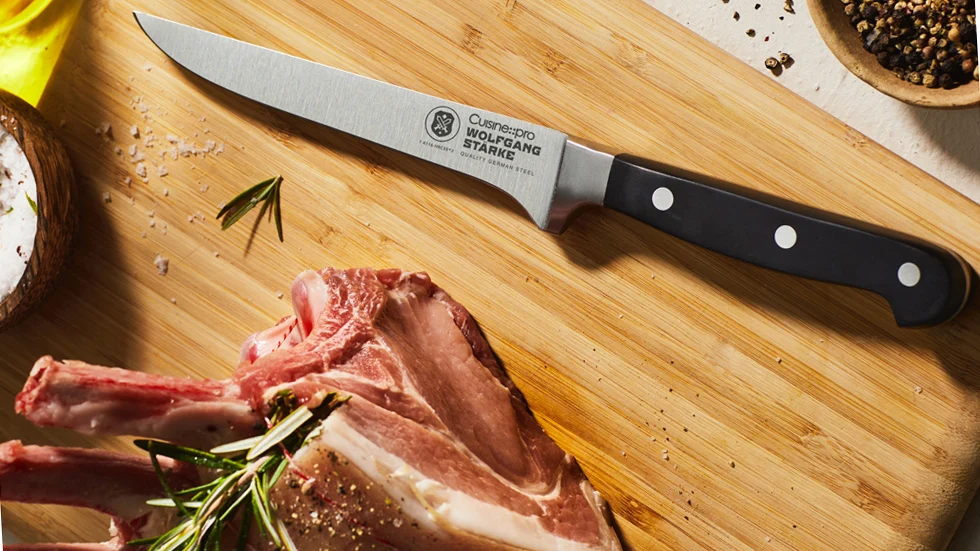
In culinary school, students are trained to work with a variety of proteins, from poultry to fish and red meats. A dedicated boning knife is designed for these tasks, offering the flexibility and control needed to separate meat from bone with minimal waste. Unlike general-purpose knives, a boning knife features a narrow, sharp blade that can maneuver around joints and cartilage, making it indispensable for butchery classes and professional prep work.
Investing in a quality boning knife early on allows students to practice proper technique and develop skills that will serve them throughout their careers. It also ensures safety, as a well-designed knife reduces the risk of slips and accidents during intricate cuts.
Key Features to Look for in a Student Boning Knife
When searching for the ideal boning knife for culinary students, several features stand out as particularly important. Paying attention to these aspects will help ensure the knife is both practical and comfortable for daily use.
- Blade Flexibility: Boning knives come in both flexible and stiff varieties. Flexible blades are ideal for fish and delicate meats, while stiffer blades are better for larger cuts like beef or pork. For most students, a semi-flexible blade offers the best versatility.
- Blade Length: Most boning knives range from 5 to 7 inches. A 6-inch blade is a popular choice for students, providing a good balance between control and reach.
- Handle Comfort: Ergonomic handles made from materials like polymer or wood ensure a secure grip, even when hands are wet. Comfort is essential for long prep sessions.
- Blade Material: Stainless steel is common for its resistance to rust and ease of maintenance. High-carbon steel offers better edge retention but requires more care to prevent corrosion.
- Weight and Balance: A well-balanced knife feels stable and reduces fatigue. Students should look for a knife that feels natural in their hand.

Types of Boning Knives for Student Use
Not all boning knives are created equal. Understanding the differences can help students select the right tool for their needs.
Flexible vs. Stiff Blades
Flexible boning knives are preferred for tasks like filleting fish or trimming fat, as they can bend around bones and contours. Stiff blades, on the other hand, are better suited for breaking down larger cuts of meat where more force is required. For most culinary students, a flexible or semi-flexible blade provides the most versatility in a school setting.
Curved vs. Straight Blades
Curved blades offer better maneuverability, making it easier to follow the natural shape of bones and joints. Straight blades are more traditional and can be easier to control for beginners. The choice often comes down to personal preference and the types of proteins most frequently prepared.
Care and Maintenance Tips for Student Boning Knives
Proper care extends the life of any kitchen tool, and this is especially true for boning knives. Here are a few essential maintenance tips:
- Hand Wash Only: Always wash your knife by hand with mild soap and dry it immediately to prevent rust and corrosion.
- Regular Sharpening: Keep the blade sharp using a honing rod or whetstone. A dull knife is more dangerous and less effective.
- Safe Storage: Use a blade guard, sheath, or knife roll to protect the edge and prevent accidents.
- Avoid Hard Surfaces: Never use your boning knife on bones, frozen foods, or hard surfaces that can chip or dull the blade.

Recommended Boning Knife Brands for Students
Several brands are known for producing reliable, affordable boning knives that are well-suited to the needs of culinary students. Here are a few top choices:
- Victorinox: Known for its Swiss craftsmanship, Victorinox offers boning knives with excellent edge retention and comfortable handles. Their knives are widely recommended in culinary schools.
- Henckels: This German brand is recognized for its durable blades and ergonomic designs, making it a favorite among both students and professionals.
- Mercer Culinary: Mercer produces knives specifically designed for students, offering a balance of quality and affordability.
Budget Considerations and Value for Students
For those just starting out, it’s important to find a boning knife that offers good value without sacrificing essential features. While premium knives can be tempting, many reputable brands offer models that are both affordable and high-performing. Look for knives that come with a warranty or satisfaction guarantee, as this can provide peace of mind during your studies.
Remember, investing in a reliable boning knife is an investment in your culinary education and future career. Prioritize comfort, safety, and durability over flashy features or unnecessary extras.
Frequently Asked Questions
What size boning knife is best for culinary students?
Most students find a 6-inch blade to be the most versatile. It offers a good balance between control and reach, making it suitable for a variety of proteins and tasks encountered in culinary school.
Should students choose a flexible or stiff boning knife?
A flexible or semi-flexible blade is generally more versatile for students, as it can handle both delicate and tougher cuts. However, the choice may depend on the types of proteins most frequently prepared during training.
How often should a boning knife be sharpened?
Regular honing before each use is recommended, with a full sharpening every few weeks depending on frequency of use. Keeping the blade sharp ensures safety and precision.
Is it worth investing in an expensive boning knife as a student?
While high-end knives offer superior materials and craftsmanship, many affordable models from reputable brands perform exceptionally well. It’s more important to focus on comfort, blade quality, and durability than price alone.