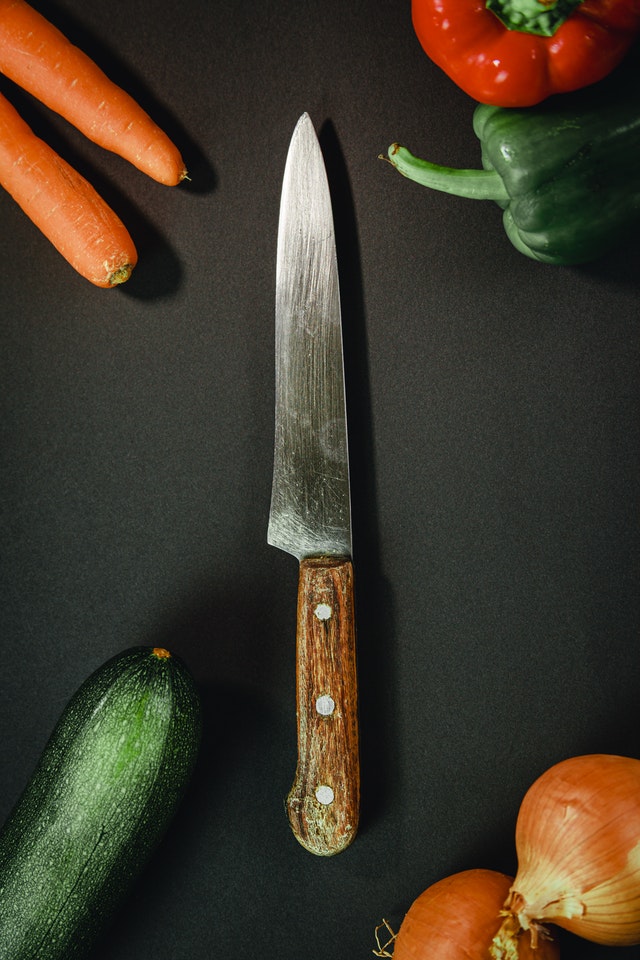
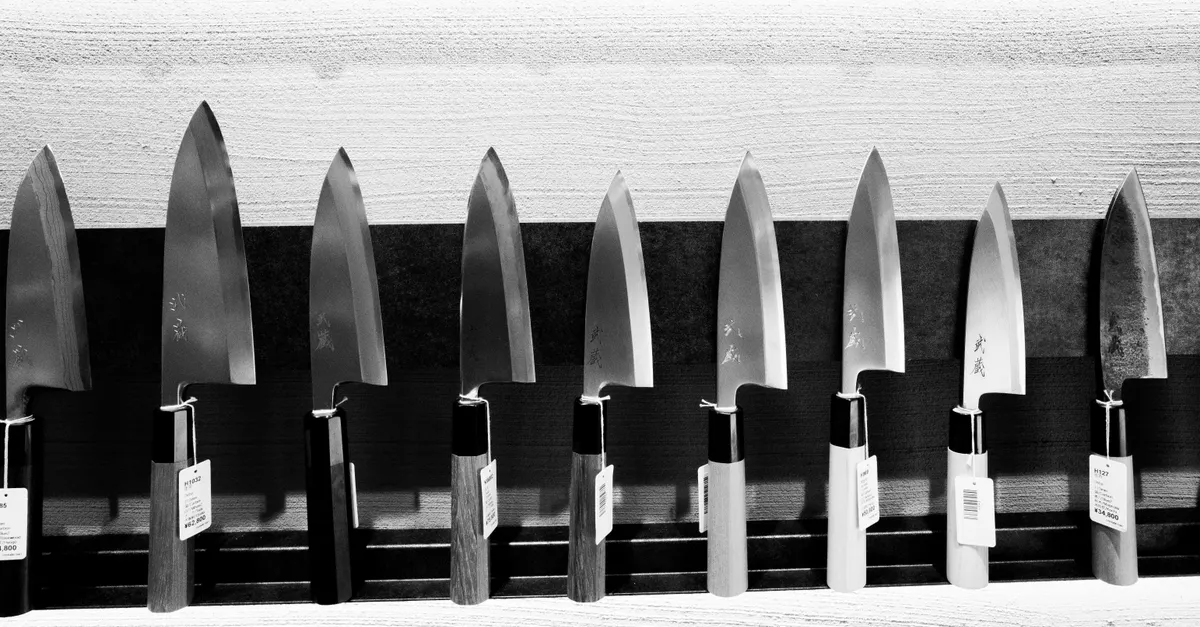
Japanese knives have carved out a reputation for being the go-to choice for home chefs who value precision and artistry in their culinary tools. These knives are not just about cutting; they’re about enhancing the cooking experience with their sharpness and balance. However, with so many options on the market, choosing the right one can be daunting. This guide focuses on the best Japanese knives for home chefs, highlighting quality and performance to help you make an informed decision.
Japanese Knife Reviews
1 Atumuryou Japanese Chef Knife
Best For: Precision Cutting
With its razor-sharp edge and ergonomic design, this knife is perfect for those who need precision in their culinary tasks.

Why We Like It
The Atumuryou Japanese Chef Knife is known for its exceptional sharpness and durability. Crafted with a VG-10 steel core, it ensures a razor-sharp edge that is perfect for precision tasks. The ergonomic handle provides a comfortable grip, reducing fatigue during extended use. This knife is ideal for home chefs who value precision and quality. However, its sharp edge may require regular maintenance to keep it in top condition.
- VG-10 steel core
- 67-layer Damascus cladding
- Hand-sharpened 12° edge
2 imarku 3 Pieces Knife Set
Best For: Versatility
This set offers a range of knives for various kitchen tasks, making it a versatile choice for any home chef.

Why We Like It
The imarku 3 Pieces Knife Set is perfect for those who need a versatile set of knives for various tasks. With its high-carbon stainless steel construction, these knives offer excellent durability and edge retention. The set includes a chef knife, a Nakiri knife, and a paring knife, covering all your basic needs. The ergonomic pakkawood handle provides a comfortable grip, though it might not be ideal for everyone. This set is a great choice for home cooks looking for a comprehensive knife solution.
- 15° double bevel edge
- Ergonomic pakkawood handle
- Includes chef, Nakiri, and paring knives
3 Emojoy Damascus Chef Knife
Best For: Gift Giving
This knife is not only functional but also beautifully presented, making it an ideal gift for culinary enthusiasts.

Why We Like It
The Emojoy Damascus Chef Knife is a standout for its aesthetic appeal and functionality. Made with 67-layer Damascus steel, it offers superior sharpness and durability. The olive wood handle adds a touch of elegance, making it a perfect gift for any cooking enthusiast. While the handle’s bulk might not suit everyone, the knife’s overall performance and presentation make it a worthy addition to any kitchen.
- 67-layer Damascus steel
- Olive wood handle
- Comes with a wooden box
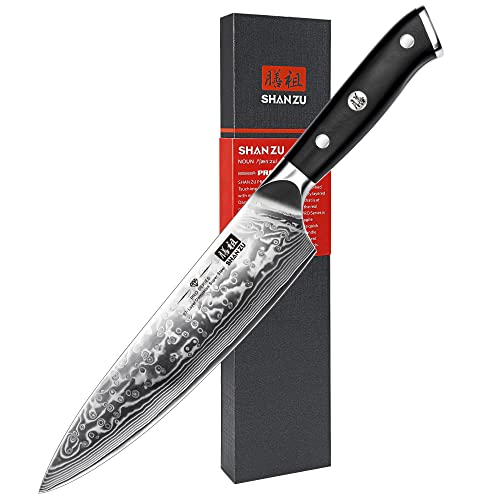
4 SHAN ZU Chef Knife
Best For: Durability
Built with high-carbon super steel, this knife is designed to withstand the rigors of daily use while maintaining its sharpness.
Why We Like It
The SHAN ZU Chef Knife is a robust option for those who need a durable and reliable tool in the kitchen. Its high-carbon super steel construction ensures long-lasting sharpness and resistance to wear. The ergonomic G10 handle offers a comfortable grip, though the knife’s weight might be a consideration for some users. This knife is perfect for home chefs who prioritize durability and performance in their kitchen tools.
- 10Cr15Mov Damascus steel
- 67 layers of steel
- 8-inch blade
How to Choose the Right Japanese Knife
Understanding Japanese Knife Steel
Japanese knives are renowned for their sharpness and durability, largely due to the types of steel used. Common steels include VG10 and Damascus, each offering unique benefits. VG10 is known for its excellent edge retention and corrosion resistance, while Damascus steel is prized for its beautiful patterns and strength. When choosing a knife, consider what type of steel aligns with your cooking needs.
Comparing Japanese and Western Knives
Japanese knives typically have a sharper edge and are lighter than their Western counterparts, making them ideal for precision tasks. However, they can be more delicate and require careful maintenance. Western knives, on the other hand, are generally heavier and more robust, suitable for tougher tasks. Understanding these differences can help you choose the right tool for your kitchen.
Best Japanese Knives for Different Culinary Tasks
For slicing and dicing, a Gyuto or Santoku knife is often recommended. These knives offer versatility and precision, making them suitable for a variety of tasks. For more specialized tasks, consider a Nakiri for vegetables or a Deba for fish. Selecting the right knife depends on your specific culinary needs and preferences.
Frequently Asked Questions
What are the top Japanese knife brands for home chefs?
Some of the top brands include Shun, Miyabi, and Tojiro, known for their quality and craftsmanship.
How do I maintain my Japanese knife?
Regular sharpening and proper cleaning are essential. Avoid using a dishwasher and dry the knife immediately after washing to prevent rust.
What makes Japanese knives superior in quality?
Their superior steel, sharpness, and craftsmanship make Japanese knives highly sought after by chefs worldwide.
Conclusion
Choosing the right Japanese knife involves understanding your cooking needs and the unique features of each knife. Whether you prioritize precision, versatility, or durability, there’s a Japanese knife that fits your requirements. Consider the steel type, handle comfort, and specific tasks you need the knife for to make the best choice for your kitchen.