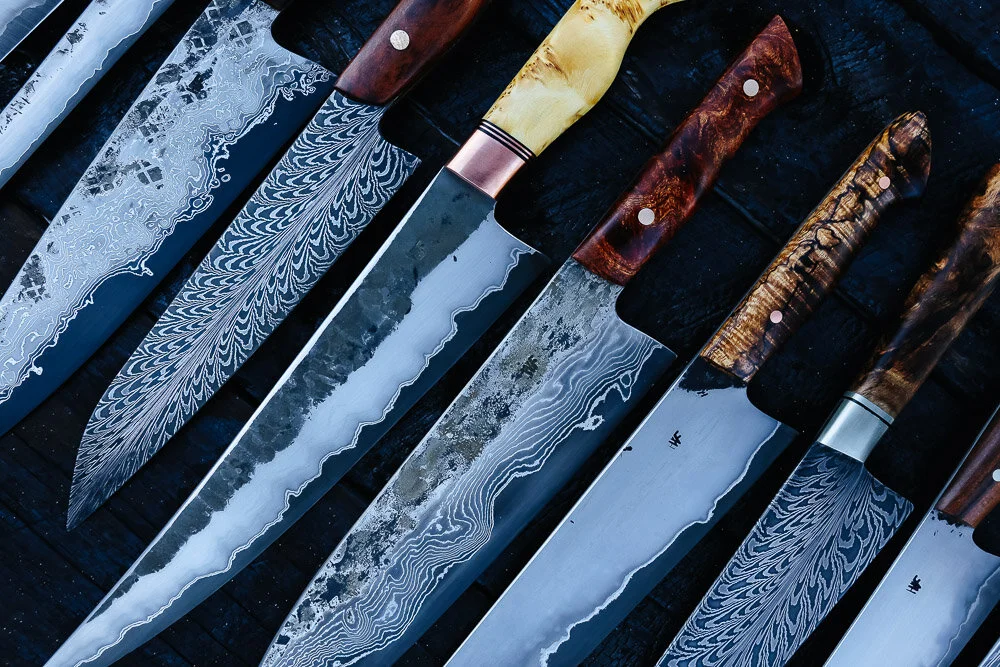
Proper care is essential for anyone who owns a forged blade, whether it’s a chef’s knife, hunting tool, or collector’s piece. Well-maintained forged knives not only last longer but also perform better and remain safer to use. This guide shares practical forged knife maintenance tips to help you preserve sharpness, prevent rust, and keep your blade looking and functioning at its best.
Forged knives are crafted through a process that involves heating and shaping steel, resulting in a strong, resilient blade. If you’re interested in learning more about how these blades are made, check out this overview of forging techniques and processes. Understanding the craftsmanship behind your knife can help you appreciate the importance of proper maintenance from day one.
Why Regular Care Matters for Forged Blades
Forged knives are prized for their durability and edge retention, but even the best blades require ongoing attention. Without routine cleaning and sharpening, a knife can quickly lose its effectiveness and develop issues like corrosion or chipped edges. Consistent upkeep ensures your investment remains in top condition and ready for any task.
Daily Cleaning and Drying Techniques
One of the most important forged knife maintenance tips is to clean your blade immediately after use. Hand washing is always preferred over dishwashers, which can cause damage through harsh detergents and high temperatures. Use warm water, a mild dish soap, and a soft sponge or cloth. Avoid abrasive pads that can scratch the metal.
- Rinse the blade thoroughly to remove food particles and acidic residues.
- Dry the knife completely with a soft towel. Never leave it to air dry, as moisture can lead to rust spots.
- Store the knife in a dry place, ideally in a knife block, magnetic strip, or sheath to prevent accidental nicks and exposure to humidity.
Sharpening and Honing for Peak Performance
Maintaining a sharp edge is crucial for both safety and efficiency. Dull knives require more force, increasing the risk of slipping and injury. Here are some essential steps for keeping your forged knife razor-sharp:
- Hone regularly: Use a honing rod to realign the edge before or after each use. This doesn’t remove metal but keeps the blade straight and sharp.
- Sharpen as needed: Depending on usage, sharpen your knife every few months with a whetstone or a professional sharpening service. Always follow the manufacturer’s recommended angle, usually between 15 and 20 degrees for forged blades.
- Wipe the blade clean after honing or sharpening to remove any metal particles.
Proper sharpening not only extends the life of your knife but also ensures clean, precise cuts every time.
Preventing Rust and Corrosion
Even high-quality forged steel can develop rust if exposed to moisture or acidic foods for too long. To protect your blade:
- Always dry your knife thoroughly after washing.
- Apply a light coat of food-safe mineral oil to the blade if you live in a humid climate or plan to store the knife for an extended period.
- Avoid cutting through bones or frozen foods, which can chip or damage the edge and expose the steel to oxidation.
Storing your knife properly is as important as cleaning. Use a knife block, magnetic strip, or blade guard to keep the edge protected and away from moisture.
Handle and Storage Care for Forged Knives
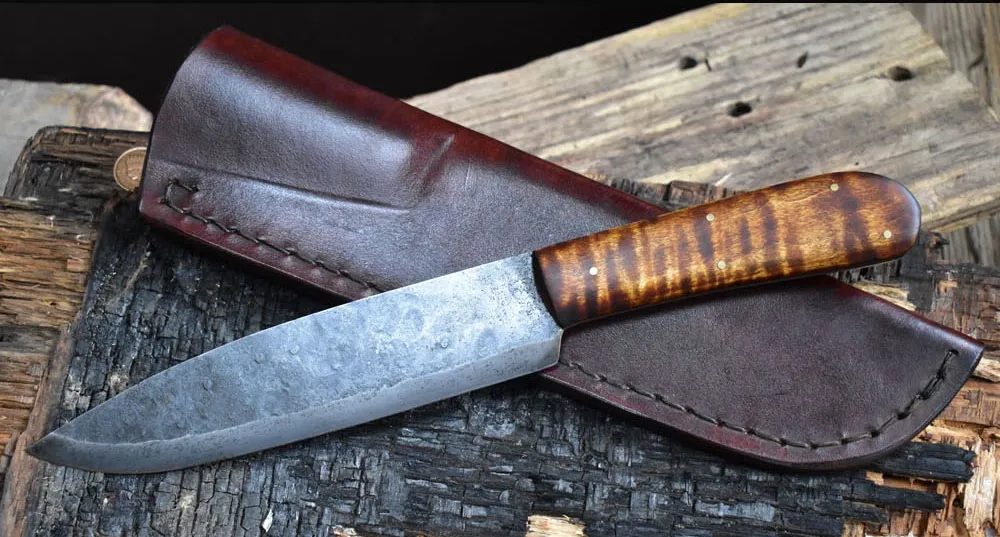
While the blade is the star of the show, the handle also deserves attention. Many forged knives feature wooden or composite handles that can dry out, crack, or harbor bacteria if neglected. To keep your handle in great shape:
- Wipe handles clean with a damp cloth and dry immediately.
- Apply a small amount of food-safe oil to wooden handles every few months to prevent drying and splitting.
- Never soak your knife in water or leave it submerged, as this can damage both blade and handle.
For storage, keep knives in a dedicated block, on a magnetic strip, or in individual sheaths. Avoid tossing them into drawers where they can get nicked or dulled by contact with other utensils.
Common Mistakes to Avoid
Even experienced users sometimes make errors that can shorten the lifespan of a forged knife. Here are a few pitfalls to watch out for:
- Using the blade to pry open cans or jars, which can bend or break the tip.
- Cutting on hard surfaces like glass or stone, which quickly dulls the edge. Always use a wooden or plastic cutting board.
- Ignoring signs of rust or dullness, which can lead to more serious damage over time.
By avoiding these mistakes and following the forged knife maintenance tips outlined here, you can ensure your blade remains in excellent condition for years to come.
Frequently Asked Questions
How often should I sharpen a forged knife?
For home cooks, sharpening every 3–6 months is usually sufficient, depending on usage. Regular honing with a rod can help maintain the edge between sharpenings.
Is it safe to put forged knives in the dishwasher?
No, dishwashers can damage both the blade and handle due to high heat, harsh detergents, and jostling. Always wash by hand and dry immediately.
What should I do if my forged knife develops rust spots?
Remove light rust with a soft cloth and a paste of baking soda and water. For stubborn spots, use a gentle abrasive like a wine cork with a little oil. Be sure to dry and oil the blade afterward to prevent recurrence.