High carbon Japanese knives are prized for their exceptional sharpness, precision, and craftsmanship. However, maintaining their edge requires more than just routine care—understanding the unique properties of high carbon steel and the safest sharpening practices is essential. This article explores the differences between high carbon and stainless steel blades, the tools needed for sharpening, safe maintenance habits, and when it’s best to seek professional help. By focusing on risk awareness and proper technique, you can help preserve the performance and longevity of your Japanese knives while minimizing the chance of injury.
What Sets High Carbon Japanese Knives Apart?
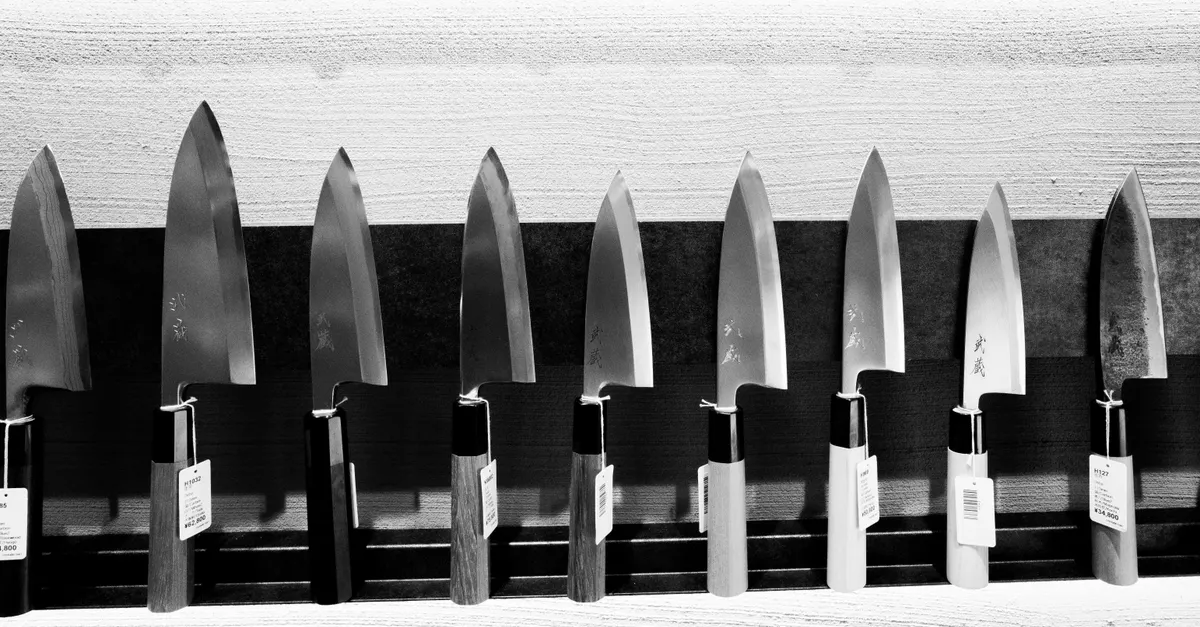
Japanese knives made from high carbon steel stand out for their ability to achieve and retain a razor-sharp edge. The higher carbon content allows for a finer, harder blade, which is ideal for precise cutting tasks. Unlike many Western knives, which often use softer stainless steel, high carbon Japanese blades can be ground to a much sharper angle, making them favorites among professional chefs and home enthusiasts alike.
However, this sharpness comes with trade-offs. High carbon steel is more prone to rust and staining if not properly maintained, and its hardness can make the edge more brittle. This means that sharpening and care routines for these knives require special attention, both to preserve the blade and to ensure safe handling.
Comparing High Carbon and Stainless Steel: Sharpening Considerations
Understanding the differences between high carbon and stainless steel is crucial for anyone looking to maintain their Japanese knives. High carbon steel is harder and can be sharpened to a finer edge, but it is also more susceptible to chipping and corrosion. Stainless steel, on the other hand, is more forgiving and resistant to rust but typically cannot achieve the same level of sharpness.
When sharpening high carbon Japanese knives, the process often requires more precision and care. The harder steel means that improper technique or excessive pressure can lead to chips or cracks in the blade. In contrast, stainless steel knives are generally more tolerant of minor mistakes during sharpening. For those interested in a deeper dive into the forging and properties of high carbon blades, the high carbon steel forging guide offers valuable background.
Pros of High Carbon Steel:
- Holds a sharper edge for longer periods
- Allows for precise, clean cuts
- Preferred by many professional chefs
Cons of High Carbon Steel:
- More prone to rust and staining
- Edge can be brittle and chip if mishandled
- Requires more attentive maintenance
Essential Tools for Safe Sharpening
Properly sharpening high carbon Japanese knives requires specific tools designed to handle the hardness and delicacy of the steel. The most important tool is the whetstone, which comes in various grit levels for different stages of sharpening. According to Masamoto Sohonten, regular sharpening with a whetstone is necessary to maintain the sharpness of Japanese knives.
Common tools include:
- Whetstones: Available in coarse (around 400 grit), medium (1000–3000 grit), and fine (6000+ grit) varieties. Coarse stones are used for repairing chips, medium for general sharpening, and fine for polishing the edge.
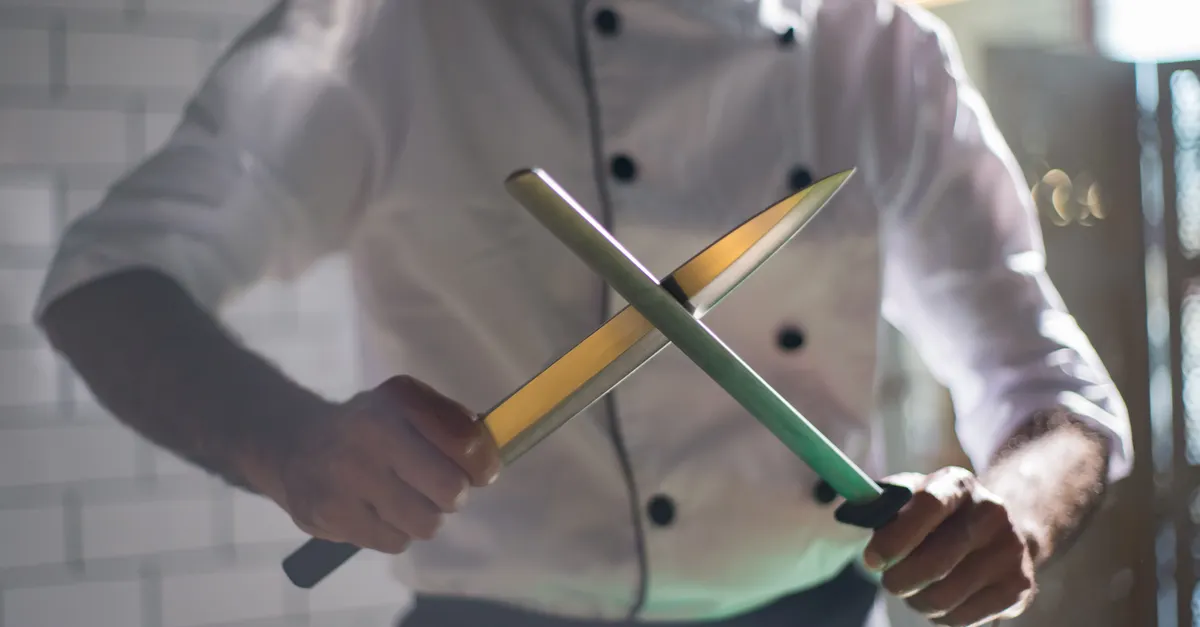
- Honing rods: Used to realign the edge between sharpenings, but not for removing metal.
- Angle guides: Help maintain a consistent sharpening angle, which is especially important for beginners.
- Cleaning cloths: For wiping down the blade and tools after sharpening.
While there are many sharpening systems and gadgets available, traditional whetstones remain the preferred choice for high carbon Japanese knives due to their control and effectiveness. If you’re considering purchasing your first whetstone sharpening kit, look for one that includes a range of grits and a non-slip base for safety.
Safe Sharpening Practices and When to Seek Professional Help
Sharpening high carbon Japanese knives is a skill that requires patience and attention to detail. While many enthusiasts enjoy maintaining their own blades, it’s important to recognize the risks involved and the limits of DIY sharpening. The process typically involves soaking the whetstone, maintaining a consistent angle (often between 10–15 degrees for Japanese knives), and gently moving the blade across the stone. However, without proper training, it’s easy to apply too much pressure or use the wrong angle, which can damage the blade or cause injury.
Given the risks, beginners should avoid attempting advanced repairs—such as fixing chips or reshaping the blade—without professional guidance. If your knife has significant damage, or if you’re unsure about your technique, it’s safer to consult a professional sharpener. Many specialty shops and knife makers, such as Masamoto Sohonten and Chubo Knives, offer sharpening services tailored to high carbon Japanese blades.
For those interested in learning more about professional techniques, the article on how to sharpen luxury knives provides additional context on when to seek expert assistance.
Maintenance and Safety Tips for High Carbon Japanese Knives
Maintaining the sharpness and integrity of your high carbon Japanese knives goes beyond sharpening. Regular honing helps realign the edge, while sharpening with a whetstone removes metal to create a new edge, as explained by Chubo Knives. Over-sharpening can reduce the lifespan of your blade, so it’s important to find a balance based on your usage and the knife’s condition.
Maintenance Tips:
- Dry the knife thoroughly after each use to prevent rust.
- Store knives in a dry place, preferably in a knife block or on a magnetic strip.
- Use a knife honing rod regularly to maintain the edge between sharpenings.
- Sharpen only when you notice a significant drop in performance, rather than on a fixed schedule.
- Avoid cutting through bones or frozen foods, which can chip the delicate edge.
Safety Precautions:
- Always sharpen on a stable, non-slip surface to prevent accidents.
- Keep your fingers away from the edge during sharpening and cleaning.
- Use protective gloves if you are new to sharpening or feel unsure about your grip.
- Never rush the process—take your time to ensure both safety and quality results.
If you ever feel uncertain about the condition of your knife or your ability to sharpen it safely, do not hesitate to consult a professional. This is especially important for high carbon blades, which can be both valuable and delicate.
How Often Should You Sharpen High Carbon Japanese Knives?
The frequency of sharpening depends on how often you use your knife and the types of foods you prepare. For most home cooks, sharpening every few months is sufficient, while professionals may need to sharpen weekly. However, regular honing can extend the time between sharpenings by keeping the edge aligned. Signs that your knife needs sharpening include difficulty slicing through tomatoes or other soft foods, or if the blade slips rather than bites into the surface.
Remember that over-sharpening can wear down the blade unnecessarily. Pay attention to performance rather than sticking to a rigid schedule, and always prioritize safe practices over speed or convenience.
Frequently Asked Questions
What is the best way to maintain the sharpness of high carbon Japanese knives?
Regular honing and careful cleaning are key. Use a honing rod to realign the edge between sharpenings, dry the blade thoroughly after each use, and store it in a safe, dry place. Avoid using the knife on hard surfaces or for tasks it isn’t designed for.
Can I use an electric sharpener on high carbon Japanese knives?
It’s generally not recommended to use electric sharpeners on high carbon Japanese knives. These devices can remove too much metal and may not maintain the correct sharpening angle, increasing the risk of damaging the blade. Manual sharpening with a whetstone is safer and more effective for these knives.
How do I know if my knife needs professional sharpening?
If your knife has chips, a bent tip, or significant dullness that cannot be fixed with regular sharpening, it’s best to seek professional help. Attempting complex repairs at home can worsen the damage or pose safety risks.
Conclusion
Sharpening high carbon Japanese knives is both an art and a responsibility. By understanding the unique properties of high carbon steel, using the right tools, and following safe maintenance practices, you can enjoy the exceptional performance these knives offer. Always respect the risks involved, and don’t hesitate to consult a professional when needed. With proper care, your Japanese knives will remain a reliable and precise tool in your kitchen for years to come.