
Forging blades from high carbon steel is a time-honored craft that blends technical skill, material knowledge, and artistry. Whether you’re an experienced bladesmith or a passionate beginner, understanding the nuances of working with high carbon alloys is essential for producing knives and tools that excel in sharpness, durability, and performance. This comprehensive resource covers the key steps, considerations, and best practices for forging master-quality blades from high carbon steel.
The forging process involves heating, shaping, and treating steel to achieve the desired hardness and resilience. Each stage, from selecting the right steel to the final tempering, plays a crucial role in the outcome. For those seeking to deepen their skills or refine their techniques, this high carbon steel forging guide offers practical insights and actionable advice.
For a deeper look at traditional blade-making methods, you might find value in exploring the art of forging a Khukri and traditional blade-making techniques.
Understanding High Carbon Steel for Blade Forging
High carbon steel is prized among bladesmiths for its ability to hold a keen edge and withstand rigorous use. The carbon content, typically ranging from 0.6% to 1.0%, gives the steel its characteristic hardness and makes it ideal for knives, swords, and specialty tools. However, this same property also demands careful handling during the forging and heat treatment processes.
Popular grades for forging include 1095, 1084, and 5160, each offering a unique balance of toughness and edge retention. Choosing the right steel depends on the intended use of the blade and the smith’s personal preferences.
Essential Tools and Equipment for Forging
Before beginning any project, it’s important to assemble the necessary tools. At a minimum, a bladesmith will need:
- Forge (coal, propane, or induction)
- Anvil
- Hammer (cross-peen, rounding, or straight-peen)
- Tongs and other holding tools
- Quenching tank (oil or water, depending on steel type)
- Files, grinders, and finishing abrasives
- Protective gear (gloves, apron, eye protection)
Investing in quality equipment not only improves safety but also enhances the precision and consistency of your work.
Step-by-Step Process: Forging a Master Blade
1. Preparing the Steel
Begin by cutting your chosen high carbon steel to size. Remove any surface rust or mill scale with a grinder or wire brush. Proper preparation ensures even heating and reduces the risk of flaws in the finished blade.
2. Heating and Shaping
Heat the steel in the forge until it reaches a bright orange or yellow color, typically between 1,500°F and 2,000°F (815°C to 1,095°C). Work quickly but carefully, using controlled hammer blows to draw out the blade’s profile and establish the tang, bevels, and point.
Regularly reheat as needed. Avoid overheating, which can cause grain growth and weaken the steel. Pay attention to symmetry and thickness throughout the forging process.
3. Normalizing
After shaping, normalize the blade by heating it to critical temperature and allowing it to air cool. This relieves internal stresses and refines the grain structure, laying the foundation for a strong, resilient blade.
4. Annealing and Grinding
Annealing softens the steel, making it easier to grind and file. Heat the blade to a dull red and allow it to cool slowly, often by burying it in ash or vermiculite. Once cooled, refine the blade’s shape, establish the edge geometry, and remove hammer marks.
5. Hardening and Quenching
The most critical stage in this high carbon steel forging guide is hardening. Heat the blade evenly to the appropriate temperature (usually non-magnetic), then quench it rapidly in oil or water, depending on the steel type. This locks the carbon in place, creating a hard but brittle structure.
Exercise caution during quenching to prevent warping or cracking. Always follow safety protocols and use a well-ventilated area.
6. Tempering
Tempering reduces brittleness while retaining hardness. Place the hardened blade in an oven at 350°F to 450°F (175°C to 230°C) for one to two hours, then allow it to cool slowly. The blade should take on a straw-yellow to light brown color, indicating the right balance of toughness and flexibility.
Finishing Touches and Sharpening
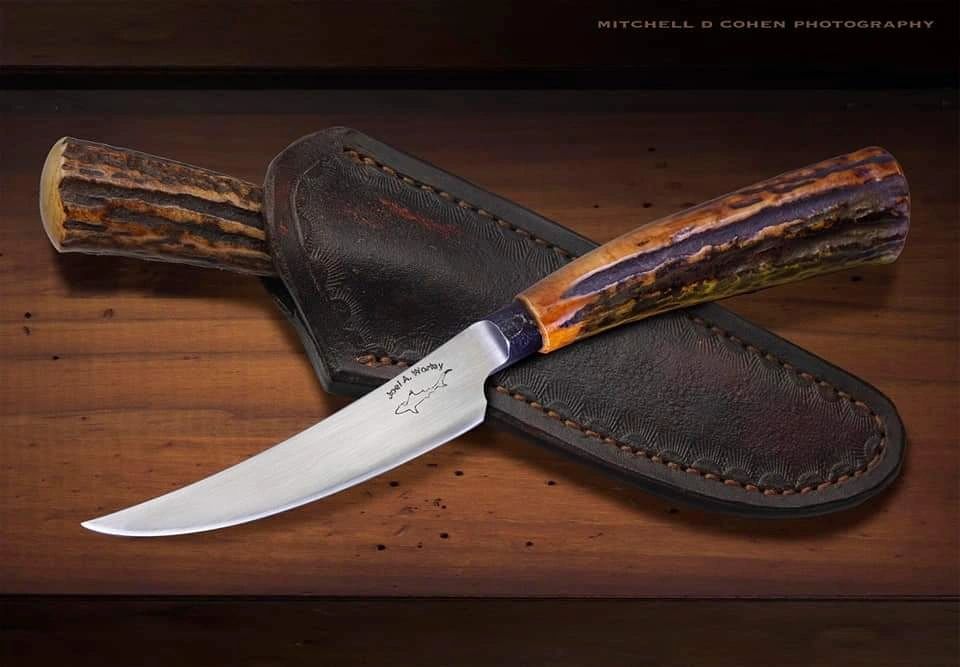
Once tempered, the blade is ready for final finishing. Use progressively finer abrasives to polish the surface and bring out the steel’s natural luster. Attach the handle, ensuring a secure fit, and sharpen the edge to your desired angle using stones or powered sharpeners.
Proper finishing not only enhances appearance but also improves corrosion resistance and handling comfort.
Common Mistakes and Troubleshooting
- Overheating the steel: Leads to coarse grain and reduced toughness. Always monitor temperature and avoid prolonged exposure to high heat.
- Uneven hammering: Causes warping and inconsistent blade geometry. Use controlled, even blows and check progress frequently.
- Incorrect quenching: Can result in cracks or warping. Match quenching medium to steel type and ensure even immersion.
- Skipping normalization: Increases risk of internal stresses and failure. Always normalize before hardening.
Addressing these issues early helps ensure a successful forging experience and a high-quality finished blade.
Maintaining Your Forged High Carbon Blade
High carbon blades require regular care to maintain their edge and prevent rust. After each use, clean and dry the blade thoroughly. Apply a light coat of oil to protect against moisture. Store in a dry environment and avoid prolonged exposure to acidic substances.
Regular honing and occasional sharpening will keep your blade performing at its best for years to come.
FAQ: High Carbon Steel Forging
- What is the ideal carbon content for forging knives?
- Most bladesmiths prefer steel with 0.6% to 1.0% carbon content. This range provides a good balance of hardness, edge retention, and toughness, making it suitable for most knives and cutting tools.
- Why is normalization important in the forging process?
- Normalization relieves internal stresses and refines the grain structure of the steel. This step ensures the blade will be strong, less prone to warping, and ready for effective hardening and tempering.
- Can I forge high carbon steel without a professional forge?
- While a professional forge offers better temperature control, it’s possible to use a homemade propane or charcoal forge for small projects. Consistent heat and proper safety measures are essential for success.