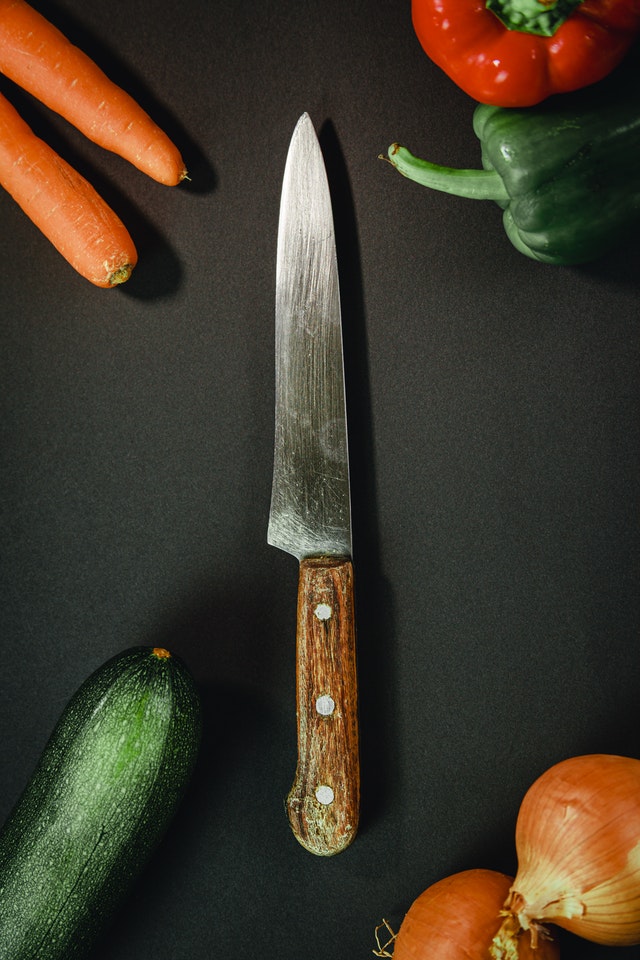
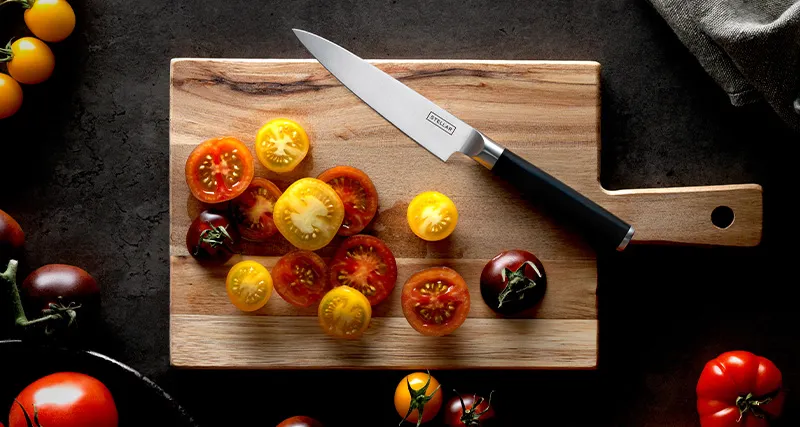
Maintaining the edge on high-end kitchen blades is essential for both performance and safety. Whether you own a chef’s knife crafted from Japanese steel or a premium German utility knife, knowing how to sharpen luxury knives ensures your investment lasts and performs at its best. Many home cooks hesitate to sharpen their own blades, but with the right approach and tools, you can achieve a professional edge without risking damage to your prized cutlery.
In this comprehensive guide, we’ll break down the process step by step, cover the best tools for the job, and share expert tips for keeping your knives razor-sharp. If you’re looking for additional sharpening techniques, you might find the detailed knife sharpening tricks on Instructables helpful as well.
Why Proper Knife Sharpening Matters for Premium Blades
Luxury knives are crafted with superior materials and precision engineering, but even the finest edge will dull over time. Regular sharpening not only restores cutting performance but also extends the lifespan of your blades. A dull knife requires more force, increasing the risk of slips and accidents. In contrast, a well-maintained edge glides through ingredients, making prep work smoother and safer.
Unlike mass-market knives, high-end models often feature harder steels and unique bevels. This means the sharpening process must be handled with care to avoid chipping or uneven wear. Understanding the nuances of sharpening high-quality knives is key to preserving their value and function.
Essential Tools for Sharpening High-End Knives
Before you start, gather the right equipment. Using the appropriate tools is crucial for achieving a professional finish and avoiding accidental damage to your luxury blades. Here are the most common options:
- Whetstones (Sharpening Stones): The gold standard for precision sharpening. Available in various grits, from coarse (around 400) for repairing chips to ultra-fine (8000+) for polishing.
- Honing Rods: Typically made from ceramic or steel, these are used to realign the edge between sharpenings. They do not remove material but help maintain sharpness.
- Guided Sharpening Systems: These devices hold the knife at a consistent angle, making it easier for beginners to achieve a uniform edge.
- Strops: Leather strops, sometimes loaded with polishing compound, are used for the final finishing step to achieve a mirror-like edge.
Step-by-Step Guide to Sharpening Premium Kitchen Knives
Mastering how to sharpen luxury knives is about consistency and attention to detail. Follow these steps for optimal results:
1. Prepare Your Sharpening Stone
If using a water stone, soak it in water for at least 10–15 minutes. Oil stones require a light coating of honing oil. Place the stone on a non-slip surface or a damp towel to keep it stable.
2. Set the Correct Angle
Most high-end Western knives are sharpened at a 15–20 degree angle, while Japanese blades often require a finer 10–15 degree angle. Maintaining a consistent angle is vital for an even edge. If you’re unsure, consult your knife’s manufacturer or use a sharpening guide.
3. Sharpen One Side at a Time
Hold the knife firmly and draw the blade across the stone, starting at the heel and finishing at the tip. Apply gentle, even pressure and repeat this motion 10–15 times, or until you feel a slight burr along the edge.
4. Repeat on the Other Side
Flip the knife and repeat the process on the opposite side, matching the number of strokes and maintaining the same angle.
5. Progress Through Finer Grits
Start with a coarser grit to reestablish the edge, then move to finer stones for polishing. For most luxury knives, finishing with a 3000–8000 grit stone will produce a razor-sharp, refined edge.
6. Hone and Strop for a Polished Finish
After sharpening, use a honing rod to align the edge, then finish with a leather strop to remove any remaining burrs and achieve a mirror finish.

Tips for Maintaining the Edge on Fine Knives
Sharpening is only part of the equation. To keep your high-end knives performing at their best:
- Use a honing rod regularly to realign the edge between sharpening sessions.
- Hand wash and dry your knives immediately after use to prevent corrosion.
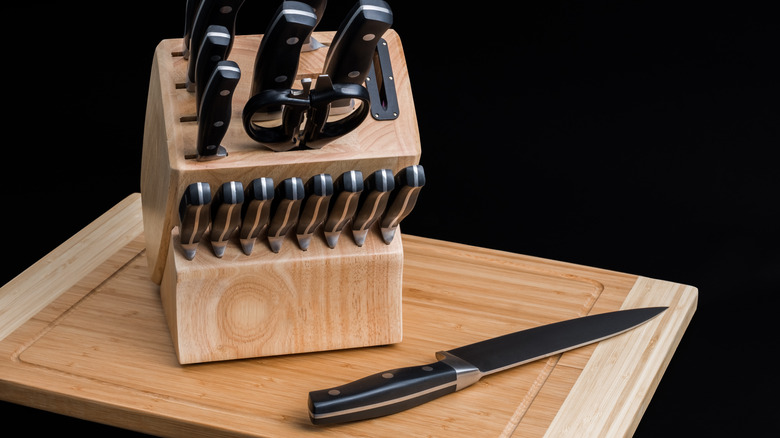
- Store knives in a block, sheath, or on a magnetic strip to protect the edge.
- Avoid cutting on hard surfaces like glass or stone, which can quickly dull the blade.
- Sharpen your knives at the first sign of dullness, rather than waiting until they’re blunt.
Common Mistakes to Avoid When Sharpening Luxury Blades
Even experienced cooks can make errors when caring for premium knives. Here are some pitfalls to watch out for:
- Using the wrong angle: Sharpening at too steep or shallow an angle can damage the edge or make it less effective.
- Skipping grits: Jumping from coarse to fine stones without intermediate steps can leave the edge rough and uneven.
- Applying too much pressure: Excessive force can chip delicate steel, especially on Japanese knives.
- Neglecting to clean stones: Clogged stones reduce effectiveness and can scratch the blade.
- Sharpening too infrequently: Waiting until a knife is very dull makes the process more difficult and time-consuming.
Frequently Asked Questions
How often should I sharpen my luxury kitchen knives?
The frequency depends on usage, but for most home cooks, sharpening every 3–6 months is sufficient. Regular honing can extend the time between full sharpenings.
Can I use an electric sharpener on high-end knives?
It’s generally not recommended. Electric sharpeners can remove too much material and may not provide the control needed for delicate or specialty blades. Manual methods like whetstones are preferred for luxury knives.
What is the best angle for sharpening premium knives?
Western-style knives typically use a 15–20 degree angle, while Japanese knives are often sharpened at 10–15 degrees. Always check the manufacturer’s recommendations for your specific blade.
How do I know when my knife is sharp enough?
A sharp knife should easily slice through paper or a ripe tomato without crushing it. You can also gently feel for a burr along the edge after sharpening.
Conclusion
Learning how to sharpen luxury knives is a valuable skill that protects your investment and enhances your cooking experience. With the right tools, techniques, and a bit of practice, you can keep your premium blades performing at their peak for years to come. Remember to maintain your knives regularly and avoid common mistakes to ensure a consistently sharp, safe, and enjoyable kitchen tool.