
Knife enthusiasts and makers often debate the merits of different blade and handle designs. Among these, hidden tang knife construction stands out for its unique blend of durability, balance, and visual appeal. This approach, where the blade’s tang is concealed within the handle material, has been used for centuries in both traditional and modern bladesmithing. Whether you’re a collector, a chef, or a hobbyist interested in knife making, understanding the intricacies of this technique can help you appreciate the craftsmanship and performance advantages it offers.
In this article, we’ll explore how this construction method works, why it’s favored by many artisans, and what sets it apart from other knife builds. If you’re considering commissioning a custom blade, you may also want to review these custom knife maker selection tips to ensure you find the right smith for your needs.
What Is Hidden Tang Knife Construction?
The term “hidden tang” refers to a blade design where the tang—the portion of the blade that extends into the handle—is mostly or entirely enclosed by the handle material. Unlike full tang knives, where the tang is visible along the spine and belly of the handle, hidden tang knives have a sleek, uninterrupted grip. The tang itself is typically narrower than the blade and is fitted into a slot or drilled hole within the handle material, then secured with adhesives, pins, or mechanical fasteners.
This method is commonly used in both culinary and outdoor knives, prized for its elegant appearance and comfortable ergonomics. Many traditional blades, such as Japanese chef knives and Scandinavian puukkos, utilize this approach for both functional and aesthetic reasons.
Key Advantages of Hidden Tang Blades
There are several reasons why knife makers and users choose this style of construction:
- Weight and Balance: Concealing the tang allows for a lighter handle, which can improve the overall balance of the knife—especially important for chefs and outdoorsmen who value precision.
- Comfort: With no exposed tang edges, the handle can be shaped for maximum comfort, reducing fatigue during extended use.
- Design Flexibility: Makers can use a wide variety of handle materials, including wood, bone, antler, or synthetic composites, without worrying about matching tang outlines.
- Visual Appeal: The seamless transition from blade to handle creates a refined and sophisticated look, making these knives popular among collectors and artisans.
How Hidden Tang Knives Are Made
The process of crafting a hidden tang knife involves several precise steps. First, the blade is forged or ground with a tang that is narrower than the blade itself. The tang is often tapered or shaped to fit snugly within the handle material. Next, the handle material—such as stabilized wood or antler—is drilled or slotted to accommodate the tang. The tang is then inserted into the handle, often with a strong epoxy or resin to ensure a secure bond. Some makers reinforce the joint with a pin, bolster, or threaded pommel for added strength.
The handle is then shaped and finished to the maker’s specifications, resulting in a smooth, ergonomic grip. This process allows for a high degree of customization, both in terms of materials and overall design.
Comparing Hidden Tang and Full Tang Designs
While both hidden tang and full tang knives have their merits, each construction method offers distinct advantages. Full tang knives are often seen as the gold standard for heavy-duty tasks, as the exposed tang provides additional strength and rigidity. However, hidden tang knives are more than capable of handling demanding jobs when properly constructed.
The choice between the two often comes down to intended use and personal preference. For those who value a lighter, well-balanced knife with a refined appearance, the hidden tang approach is a compelling option. It’s also worth noting that many traditional blades—such as the Japanese gyuto or the Finnish puukko—have stood the test of time using this very technique.
Materials and Aesthetics in Concealed Tang Knives
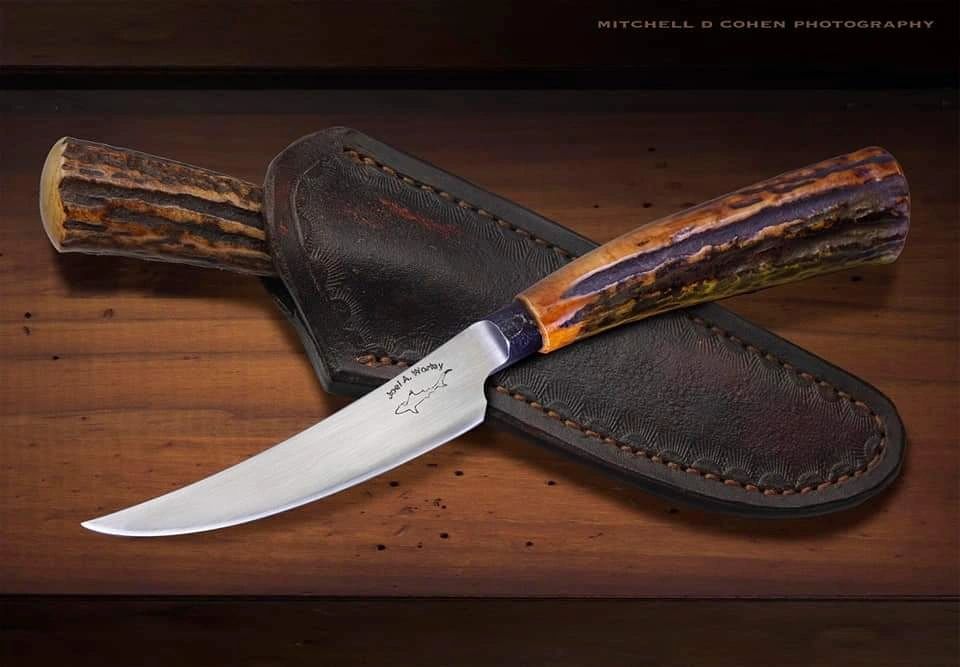
One of the major appeals of this construction style is the freedom it gives makers to experiment with handle materials. Since the tang is hidden, the handle can be crafted from a single piece of wood, horn, antler, or even modern synthetics. This not only enhances the knife’s visual appeal but also allows for ergonomic shaping without the constraints of a visible tang outline.
Bolsters, guards, and pommels are often added for both functional and decorative purposes. These elements can be made from brass, nickel silver, or stainless steel, providing a transition between blade and handle while reinforcing the joint.
Strength and Durability: Myths and Realities
There’s a common misconception that hidden tang knives are inherently weaker than their full tang counterparts. In reality, a well-made concealed tang knife can be extremely robust. The key factors are the quality of the adhesive, the fit between tang and handle, and any mechanical reinforcements used.
Many traditional bladesmiths have perfected this method over generations, producing knives that withstand rigorous use in kitchens, camps, and even combat. For a deeper look at traditional forging techniques, consider reading about the art of forging a khukri and traditional blade making.
Choosing the Right Knife for Your Needs
When selecting a knife, consider how you intend to use it. If you prioritize balance, comfort, and aesthetics, a hidden tang blade may be the perfect fit. For those who need a tool for heavy-duty chopping or batoning, a full tang design might be preferable. Ultimately, the best knife is one that matches your specific requirements and feels right in your hand.
If you’re interested in commissioning a custom piece, be sure to communicate your preferences regarding handle material, blade shape, and intended use. Experienced makers can guide you through the options and help you select the ideal construction method.
FAQ
Are hidden tang knives strong enough for outdoor or survival use?
Yes, when properly constructed, hidden tang knives can be very strong and reliable. Many traditional outdoor knives, such as Scandinavian puukkos, use this method and have proven their durability in demanding conditions. The key is a tight fit between tang and handle, quality adhesives, and, if needed, mechanical reinforcement.
What are the main benefits of hidden tang construction compared to full tang?
The main benefits include lighter weight, improved balance, and greater flexibility in handle design and materials. Concealed tang knives often have a more refined appearance and can be shaped for superior ergonomics. While full tang knives may offer extra strength for extreme tasks, most users find hidden tang knives more than adequate for everyday and culinary use.
How do I care for a hidden tang knife?
Care is similar to other high-quality knives: keep the blade clean and dry, avoid soaking the handle in water, and periodically oil wooden handles to prevent drying or cracking. If the knife has a natural material handle, protect it from extreme temperatures and humidity. Proper maintenance will ensure your knife remains functional and beautiful for years.