A sharp kitchen knife is essential for efficient, safe, and enjoyable food preparation. Yet many home cooks and even professionals notice that their blades lose their edge faster than expected. Understanding why knives dull quickly is the first step toward maintaining a keen cutting edge and getting the most out of your cutlery investment.
In this guide, we’ll explore the main reasons blades lose sharpness, how different factors contribute to wear, and practical steps you can take to extend the life of your knives. Whether you’re using a chef’s knife, paring knife, or specialty blade, proper care and technique make a significant difference in performance and longevity.
For those interested in the technical side of blade design, examining different types of knife grinds and their impact on sharpness can provide deeper insight into how and why edges wear down.
Main Causes of Rapid Knife Dulling
Several factors contribute to the loss of sharpness in kitchen knives. Some are related to the materials and construction of the blade, while others stem from daily habits and maintenance routines. Let’s break down the most common reasons your knives may lose their edge faster than expected.
1. Cutting on Hard or Improper Surfaces
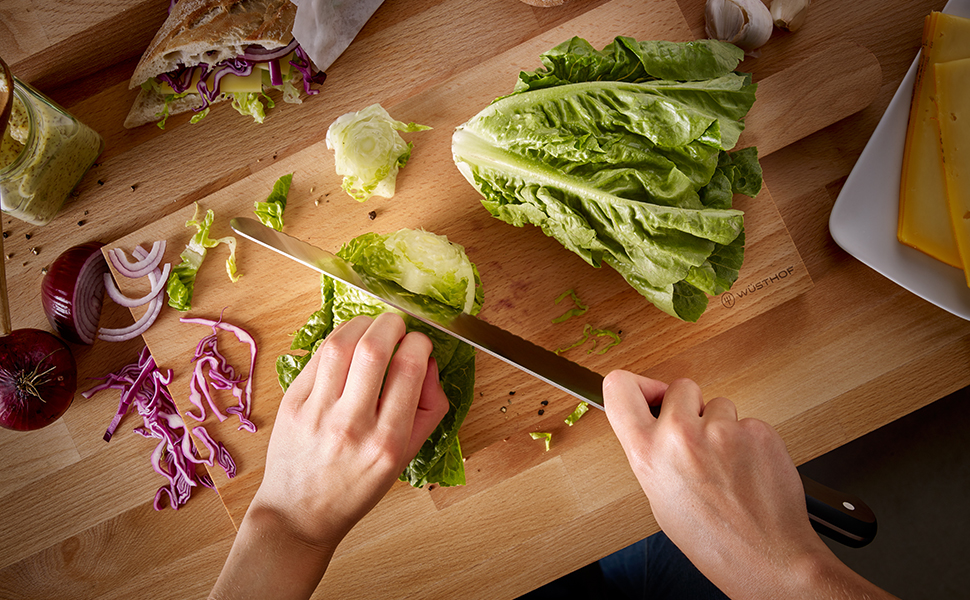
One of the leading causes of premature dulling is using your knife on surfaces that are too hard. Chopping on glass, ceramic, stone, or metal boards can quickly wear down the fine edge of even the highest-quality blade. These materials are much harder than the steel used in most knives, causing the edge to roll, chip, or flatten.
The best practice is to use wooden or plastic cutting boards. These surfaces are softer and provide a slight give, which helps preserve the sharpness of your blade for longer periods.
2. Poor Cutting Technique
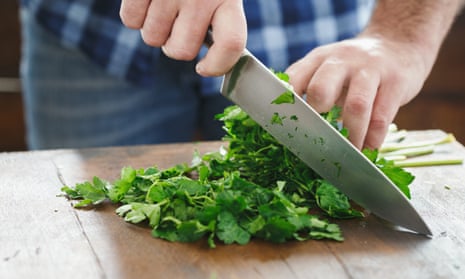
The way you use your knife also affects how quickly it dulls. Applying excessive force, twisting the blade during cuts, or using a sawing motion on hard foods can all damage the edge. Instead, focus on smooth, controlled slicing and let the sharpness of the knife do the work.
3. Contact with Hard Foods and Bones
Cutting through bones, frozen foods, or very hard produce can cause micro-chipping or rolling of the blade. Even small impacts accumulate over time, leading to a noticeably duller edge. Reserve your finest knives for delicate tasks and use specialized blades or cleavers for tougher jobs.
4. Dishwasher Use and Improper Cleaning
Many people are surprised to learn that cleaning knives in the dishwasher is one of the fastest ways to dull them. The combination of high heat, harsh detergents, and jostling against other utensils can quickly degrade the edge. Hand washing with mild soap and drying immediately is the best way to maintain sharpness.
5. Storing Knives Incorrectly
Tossing knives into a drawer or letting them knock against other utensils can cause nicks and dull spots. Instead, store knives in a dedicated block, on a magnetic strip, or in protective sheaths to keep the edges safe from accidental damage.
How Blade Material and Design Affect Edge Retention
Not all knives are created equal when it comes to holding a sharp edge. The type of steel, hardness, and blade grind all play a role in how quickly a knife loses its sharpness.
Steel Composition and Hardness
High-carbon stainless steels generally offer better edge retention than softer, lower-carbon varieties. However, harder steels can be more brittle and prone to chipping if misused. Japanese knives, for example, are often made with harder steel and a thinner edge, making them extremely sharp but requiring more delicate handling.
Blade Grind and Edge Geometry
The shape and angle of the cutting edge—known as the grind—affect both sharpness and durability. A thinner, more acute angle slices effortlessly but may dull faster, while a thicker edge lasts longer but may not cut as cleanly. For a detailed look at how different grinds impact performance, see this guide to blade grinds and their characteristics.
Best Practices to Keep Your Knives Sharp Longer
While all knives will eventually need sharpening, following these tips can significantly slow down the dulling process and help you get the most from your blades:
- Always use a wooden or plastic cutting board to minimize edge wear.
- Hand wash and dry knives immediately after use to prevent corrosion and accidental damage.
- Store knives properly in a block, on a magnetic strip, or in a sheath to protect the edge.
- Use the right knife for the job—avoid using delicate blades for hard or frozen foods.
- Maintain your edge regularly with a honing rod to realign the blade between sharpenings.
- Sharpen knives as needed using a whetstone or professional service to restore a keen edge.
Frequently Asked Questions
How often should I sharpen my kitchen knives?
The frequency depends on how often you use your knives and what you cut. For most home cooks, sharpening every few months is sufficient, with regular honing in between. If you notice your knife struggling to slice tomatoes or herbs cleanly, it’s time to sharpen.
Is it bad to use a knife on a glass cutting board?
Yes, glass cutting boards are extremely hard and can dull your knife very quickly. It’s best to stick with wood or plastic boards to preserve your blade’s edge.
Can I put my knives in the dishwasher if they say “dishwasher safe”?
Even if a knife is labeled as dishwasher safe, the harsh environment can still dull and damage the edge. Hand washing is always the safest option for maintaining sharpness and longevity.
What’s the difference between honing and sharpening?
Honing realigns the edge of the blade, keeping it straight and effective, while sharpening actually removes metal to create a new edge. Both are important for maintaining optimal performance.
Conclusion
Understanding the main reasons why knives dull quickly empowers you to make better choices in the kitchen. By using the right cutting surfaces, practicing good technique, storing and cleaning your knives properly, and choosing blades suited to your needs, you can keep your knives sharp and effective for much longer. With a little extra care, your cutlery will reward you with years of reliable performance and safer, more enjoyable cooking.