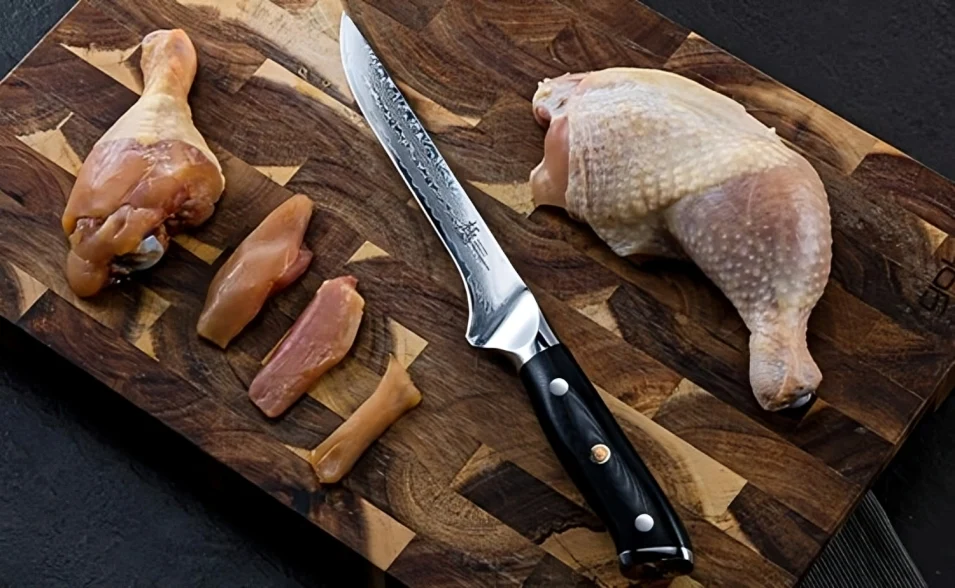
Mastering the use of a boning knife can elevate your kitchen skills, but it also comes with unique safety considerations. Whether you’re breaking down poultry, trimming fat from meat, or preparing fish, using this specialized tool requires attention and proper technique. Understanding the best practices for handling, storing, and maintaining your boning knife not only protects you from injury but also ensures cleaner cuts and a more enjoyable cooking experience.
In this article, we’ll explore essential boning knife safety tips that every home cook and professional should follow. From selecting the right blade to practicing safe cutting motions, these guidelines will help you work confidently and efficiently. For a deeper dive into the uses and benefits of this kitchen essential, you can also check out this comprehensive guide to boning knife uses.
Why Boning Knife Safety Matters in the Kitchen
A boning knife’s thin, sharp blade is designed for precision, but it can also be unforgiving if mishandled. Unlike broader chef’s knives, this tool is meant to maneuver around bones and joints, requiring a steady hand and focused attention. Accidents can happen quickly, especially when working with slippery raw meats or fish.
Prioritizing safety not only prevents cuts and injuries but also helps maintain the quality of your ingredients. Clean, controlled cuts reduce waste and make meal prep more efficient. By following the right precautions, you’ll get the most out of your boning knife while minimizing risks.
Choosing the Right Boning Knife for Safe Handling
The first step to safe use is selecting a boning knife that fits your needs and feels comfortable in your hand. Look for a blade length and flexibility that matches the types of proteins you prepare most often. For example, a stiffer blade works well for beef and pork, while a more flexible option is ideal for fish and poultry.
- Grip: Choose a handle with a non-slip surface to maintain control, even when your hands are wet.
- Balance: A well-balanced knife reduces strain and improves accuracy, making it easier to avoid slips.
- Blade Material: High-quality stainless steel resists corrosion and holds a sharp edge longer, which is crucial for safe, effective cutting.
Essential Boning Knife Safety Tips for Everyday Use
Practicing safe habits every time you use your boning knife is key to preventing accidents. Here are some of the most important guidelines to keep in mind:
- Keep Your Knife Sharp: A dull blade requires more force and is more likely to slip. Regularly hone and sharpen your knife to maintain a keen edge.
- Use a Stable Cutting Surface: Always work on a sturdy, non-slip cutting board. Placing a damp towel underneath can help prevent movement.
- Cut Away from Your Body: Direct the blade away from your hands and torso, especially when working around bones or joints.
- Maintain a Firm Grip: Hold the handle securely and keep your fingers curled away from the blade’s path.
- Pay Attention: Avoid distractions while using your boning knife. Focus on your task to reduce the risk of injury.
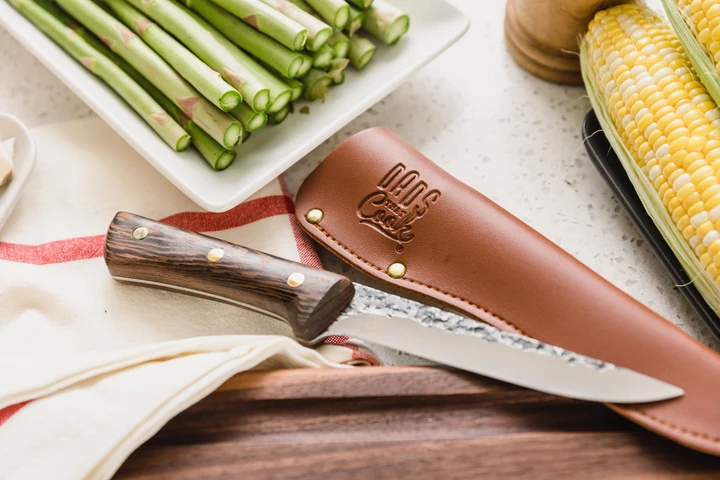
- Store Safely: When not in use, store your knife in a sheath, knife block, or on a magnetic strip—never loose in a drawer.
Proper Technique: Handling and Cutting with Confidence
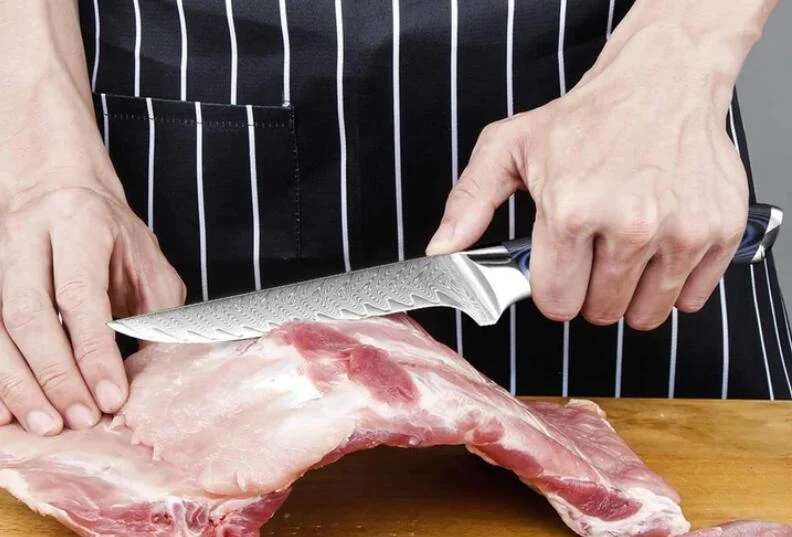
Mastering the right technique is just as important as having a quality knife. Start by positioning your non-dominant hand to hold the meat securely, keeping your fingers curled and out of the blade’s path. Use smooth, controlled motions rather than forceful sawing. Let the sharpness of the knife do the work.
- Follow the Bone: Use the tip of the blade to trace along bones and joints, applying gentle pressure. This minimizes the risk of slipping and helps preserve as much meat as possible.
- Work in Sections: Break down large cuts into smaller pieces for better control and visibility.
- Clean as You Go: Wipe the blade frequently to remove fat and debris, which can make the handle or blade slippery.
Cleaning and Maintenance for Long-Term Safety
Proper cleaning and care are essential for both hygiene and safety. After each use, wash your boning knife by hand with warm, soapy water. Avoid putting it in the dishwasher, as this can dull the blade and damage the handle.
- Dry Immediately: Use a towel to dry the knife right away, preventing rust and water spots.
- Store Properly: Place the knife in a dedicated holder or sheath to protect the edge and prevent accidental cuts when reaching for other utensils.
- Regular Inspection: Check for chips, cracks, or loose handles before each use. Address any issues promptly to avoid accidents.
Common Mistakes to Avoid When Using a Boning Knife
Even experienced cooks can fall into unsafe habits. Being aware of common mistakes helps you stay vigilant and maintain best practices:
- Using the Wrong Knife: Don’t substitute a boning knife for tasks better suited to a chef’s or paring knife. This increases the risk of slips and uneven cuts.
- Rushing the Process: Take your time when deboning or trimming. Haste leads to accidents and wasted product.
- Ignoring Maintenance: Skipping regular sharpening or cleaning can make your knife unsafe and less effective.
- Improper Storage: Leaving your knife loose in a drawer exposes both the blade and your hands to unnecessary danger.
Frequently Asked Questions
What is the safest way to hold a boning knife?
Hold the handle firmly with your dominant hand, keeping your index finger wrapped around the handle and your thumb placed on the spine of the blade for control. Always keep your non-dominant hand away from the cutting path and use a claw grip to secure the food.
How often should I sharpen my boning knife?
For optimal performance and safety, hone your knife before each use and sharpen it with a whetstone or professional service every few months, depending on frequency of use. A sharp blade is safer and more effective than a dull one.
Can I use a boning knife for other kitchen tasks?
While it’s designed for removing bones and trimming meat, a boning knife can be used for other precision tasks, such as filleting fish or slicing small fruits. However, avoid using it for chopping or heavy-duty cutting, as this can damage the blade and compromise safety.