In the fast-paced environment of a professional kitchen, chefs rely on tools that help them work efficiently and deliver precise results. Among the many options available, ceramic knives have gained popularity for their unique properties and advantages. Many culinary professionals are turning to these blades for specific tasks, appreciating their lightweight feel, sharpness, and resistance to corrosion. But what makes these knives stand out, and what benefits do they offer in a demanding kitchen setting?
This article explores the main reasons culinary experts choose ceramic blades, how they compare to traditional steel knives, and what to consider if you’re thinking about adding one to your own kitchen. For those interested in proper care and usage, manufacturers like Kyocera provide detailed guides on maintaining ceramic knives that can help extend their lifespan and performance.
Before diving into the specific advantages, it’s important to understand what sets ceramic knives apart from their metal counterparts and why they have become a staple for many professionals.
Understanding Ceramic Knives and Their Unique Composition
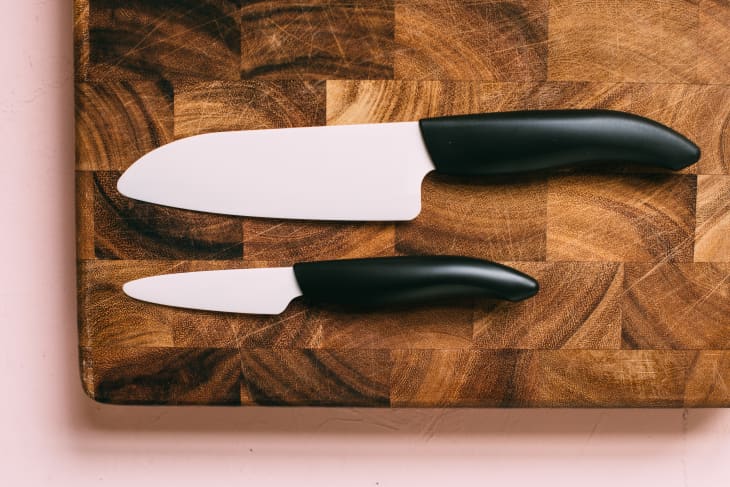
Ceramic knives are crafted from zirconium dioxide, also known as zirconia. This material is extremely hard, ranking just below diamonds on the Mohs scale. The manufacturing process involves pressing zirconia powder into a blade shape and then firing it at high temperatures, resulting in a dense, non-porous, and durable cutting edge.
Unlike steel knives, ceramic blades are non-metallic and do not rust or react with acidic foods. Their hardness allows them to maintain a sharp edge for extended periods, which is a key factor in their appeal to chefs who value precision and efficiency.
Key Reasons Culinary Professionals Choose Ceramic Blades
There are several compelling factors that explain why chefs use ceramic knives in their daily routines. The following sections break down the most significant benefits and practical considerations.
Exceptional Sharpness and Edge Retention
One of the main reasons chefs opt for ceramic knives is their remarkable sharpness. The hardness of zirconia allows these blades to be ground to a very fine edge, making them ideal for slicing fruits, vegetables, and boneless proteins with minimal effort. This sharpness is maintained much longer than most steel knives, reducing the need for frequent sharpening and ensuring consistent performance during busy prep sessions.
Lightweight Construction for Reduced Fatigue
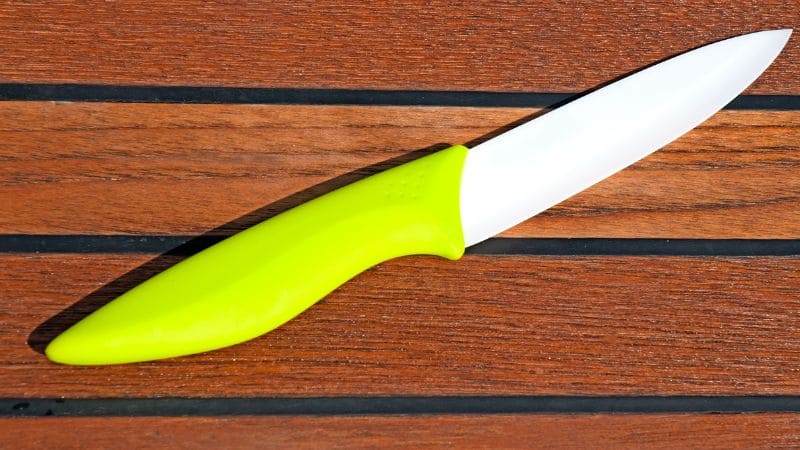
Professional kitchens demand long hours of repetitive cutting, chopping, and slicing. Ceramic knives are significantly lighter than their steel counterparts, which helps reduce hand and wrist fatigue during extended use. This lightweight nature allows chefs to work quickly and comfortably, especially when preparing large quantities of produce or delicate items that require precision.
Resistance to Stains, Odors, and Corrosion
Another advantage that explains why chefs use ceramic knives is their resistance to staining and corrosion. Because ceramic is non-porous and chemically inert, these blades do not absorb food odors or discolor over time. This makes them especially suitable for working with pungent ingredients like garlic, onions, or citrus, as well as for maintaining a clean and hygienic workspace.
Comparing Ceramic and Steel Knives in the Professional Kitchen
While ceramic knives offer distinct benefits, they are not a universal replacement for steel blades. Understanding the differences between the two helps chefs make informed decisions about which tool to use for specific tasks.
- Sharpness: Ceramic blades maintain their edge longer, but once dull, they require specialized sharpening equipment.
- Durability: Steel knives are less likely to chip or break if dropped or twisted, making them more versatile for heavy-duty tasks.
- Maintenance: Ceramic knives are easy to clean and do not rust, while steel knives may require more frequent care to prevent corrosion.
- Weight: Ceramic options are lighter, which can be an advantage for repetitive slicing but may lack the heft some chefs prefer for chopping through dense foods.
For these reasons, many chefs use ceramic knives alongside their steel tools, selecting the best blade for each job rather than relying solely on one type.
Best Uses for Ceramic Knives in Food Preparation
While ceramic blades excel in certain areas, they are not suitable for every kitchen task. Here are some of the most common uses where their unique properties shine:
- Precision Slicing: Ideal for fruits, vegetables, and boneless meats where a clean, thin cut is desired.
- Acidic Foods: Perfect for citrus, tomatoes, and other acidic ingredients, as the blade will not react or discolor.
- Odor-Sensitive Tasks: Useful for cutting items like garlic or onions, as the blade does not retain strong smells.
- Presentation: Excellent for preparing garnishes or decorative cuts where appearance matters.
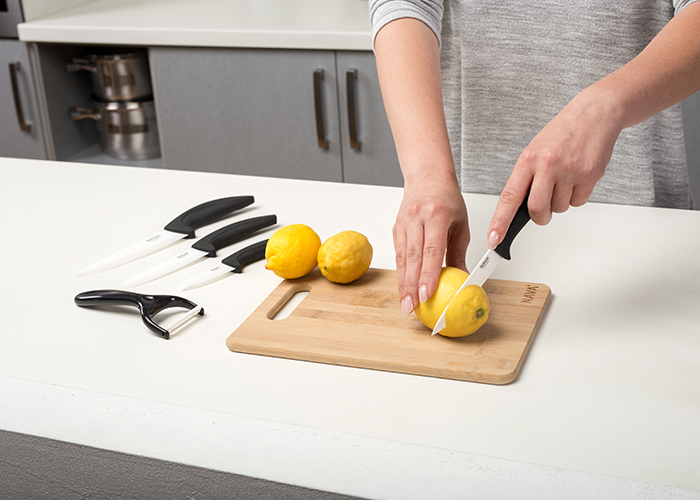
However, ceramic knives should not be used for cutting through bones, frozen foods, or hard-skinned squash, as the blade may chip or break under excessive force.
Care and Maintenance Tips for Ceramic Blades
To maximize the lifespan of a ceramic knife, proper care is essential. Here are some practical tips:
- Hand Wash Only: Clean the blade with mild soap and water, avoiding dishwashers which can cause chipping.
- Use a Soft Cutting Surface: Choose wooden or plastic boards to prevent damage to the edge.
- Store Safely: Keep the knife in a sheath or on a magnetic strip, away from other utensils.
- Avoid Twisting or Flexing: Use gentle, straight cuts to prevent breakage.
For detailed maintenance instructions, refer to the manufacturer’s care manual for ceramic knives.
Frequently Asked Questions
Are ceramic knives better than steel knives for all tasks?
Ceramic knives are excellent for slicing fruits, vegetables, and boneless meats, but they are not suitable for heavy-duty tasks like cutting bones or frozen foods. Most chefs use both types, selecting the best tool for each job.
How long does a ceramic knife stay sharp?
With proper care, a ceramic blade can remain sharp for months or even years, depending on usage. However, once it becomes dull, sharpening requires specialized equipment or professional services.
Can ceramic knives break easily?
While ceramic is extremely hard, it is also brittle. Dropping the knife or using it to pry or twist can cause the blade to chip or break. Careful handling and appropriate use are important to prevent damage.