Keeping kitchen knives organized and protected is essential for both safety and the longevity of your blades. Many home cooks and professionals alike face the challenge of finding the best way to keep sharp tools accessible, yet secure, especially when using kitchen drawers. Improper storage can lead to dull edges, accidental cuts, and even damage to your drawer interiors. This article provides practical advice and proven strategies for how to store knives in drawers without compromising safety or blade quality.
Whether you have a growing collection of chef’s knives, paring knives, or specialty blades, understanding the right storage methods can make your kitchen more efficient and much safer. Before exploring the various drawer storage solutions, it’s helpful to know the different types of knife edges and their care requirements. For a detailed overview of blade types and maintenance, check out this comprehensive guide to knife edge types.
Why Proper Knife Storage in Drawers Matters
Storing knives loosely in a drawer can cause several problems. Blades can become chipped or dulled as they knock against other utensils or each other. More importantly, reaching into a drawer with unprotected knives increases the risk of accidental cuts. For households with children, this risk is even greater.
Proper storage not only protects your hands but also preserves the sharpness and integrity of your knives. Additionally, it keeps your kitchen organized and makes it easier to find the right tool when you need it.
Drawer Storage Solutions for Kitchen Knives
There are several effective ways to keep knives safe in drawers. Each option offers different benefits depending on your kitchen layout, knife collection, and personal preferences. Here are the most popular approaches:
Knife Drawer Inserts
One of the most popular solutions is a dedicated knife block insert designed to fit inside a drawer. These inserts have individual slots for each blade, keeping them separated and secure. Inserts are available in various sizes and materials, such as bamboo, plastic, or wood, to match your drawer dimensions and style.
- Safety: Each knife is held securely, reducing the risk of accidental cuts.
- Blade Protection: Prevents blades from rubbing against each other, preserving sharpness.
- Organization: Makes it easy to see and access each knife.
When choosing a drawer insert, measure your drawer’s width, depth, and height to ensure a proper fit. Some inserts are adjustable or can be trimmed to size.
Knife Guards and Sheaths
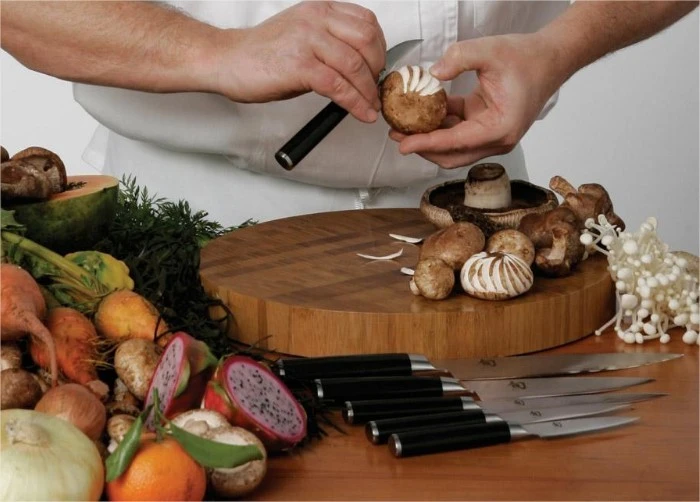
If you don’t have space for a drawer insert or have an eclectic collection of knives, blade guards (also known as sheaths) are a versatile choice. These protective covers slip over the blade, shielding both the edge and your fingers.
- Flexibility: Suitable for knives of various sizes and shapes.
- Portability: Great for transporting knives or storing them outside the kitchen.
- Cost-Effective: Typically less expensive than inserts or blocks.
When using blade guards, ensure each knife is fully dry before placing it in the sheath to prevent moisture buildup and potential rust. Arrange sheathed knives in the drawer with handles facing outward for easy and safe access.
Knife Rolls and Soft Cases
For those who need to store knives temporarily or transport them, a knife roll or soft case is a practical solution. These fabric or leather organizers have individual pockets for each blade and can be rolled up or zipped closed.
- Protection: Prevents blades from touching and reduces the risk of injury.
- Space-Saving: Can be stored in a drawer or carried to another location.
- Versatility: Suitable for both home and professional use.
While knife rolls are not a permanent storage solution for most home kitchens, they are ideal for those who occasionally need to move their knives or keep them protected in a shared space.
Tips for Maximizing Safety and Blade Longevity
No matter which drawer storage method you choose, following a few best practices will help keep your knives in top condition and your kitchen safe:
- Always clean and dry knives thoroughly before storing to prevent rust and bacteria growth.
- Store knives with the blade edge facing down or away from the drawer opening to reduce accidental contact.
- Keep handles easily accessible so you can safely grab the knife without touching the blade.
- Regularly inspect storage solutions for signs of wear or damage, and replace them as needed.
- Sharpen knives regularly to maintain performance and reduce the risk of slips caused by dull edges.
Common Mistakes to Avoid When Organizing Knives in Drawers
Even with the best intentions, it’s easy to make mistakes that compromise safety or blade quality. Here are some pitfalls to watch out for:
- Storing knives loose in a drawer without any protection, which can cause damage and injuries.
- Overcrowding the drawer, leading to blades rubbing against each other or becoming difficult to access.
- Using makeshift dividers that don’t securely hold knives in place.
- Ignoring moisture—never store wet knives, as this promotes rust and bacterial growth.
- Placing knives with the blade edge exposed toward the drawer opening, increasing the risk of cuts.
Choosing the Right Storage Solution for Your Kitchen
The ideal method for keeping knives safe in drawers depends on your kitchen setup, the number and type of knives you own, and your personal habits. Drawer inserts are perfect for those who want a permanent, organized solution. Blade guards offer flexibility and are ideal for mixed collections or small spaces. Knife rolls are best for those who travel with their knives or need temporary storage.
Take time to assess your needs and invest in a storage method that keeps your knives sharp, accessible, and safely out of harm’s way. With the right approach, you can enjoy a more organized, efficient, and safe kitchen environment.
Frequently Asked Questions
Is it safe to keep knives in a drawer without protection?
Storing knives loose in a drawer is not recommended. It increases the risk of accidental cuts and can damage the blades. Always use a drawer insert, blade guard, or another protective solution to keep knives secure.
How do I prevent my knives from dulling in a drawer?
To maintain sharpness, store each knife in a dedicated slot or sheath. Avoid letting blades touch each other or other utensils. Regularly sharpen and clean your knives to extend their lifespan.
What’s the best way to store knives in a drawer if I have limited space?
Blade guards or sheaths are a space-efficient option for small drawers. They allow you to safely stack or arrange knives without risking damage or injury. Choose guards that fit each blade snugly and organize knives with handles facing outward for easy access.