Achieving clean, uniform slices in the kitchen often comes down to the tools and skills you use. Among the most effective tools for precision are ceramic knives, known for their sharpness and lightweight feel. Understanding ceramic knife cutting techniques can help you get the most out of these specialized blades, whether you’re preparing fruits, vegetables, or boneless meats. This article explores the essential skills, best practices, and care tips for using ceramic knives, helping you elevate your culinary results with confidence and safety.
For those interested in how ceramic blades compare to traditional steel options, you can find a detailed breakdown in this comprehensive guide to ceramic and steel knife pros and cons.
Why Choose Ceramic Blades for Precision Work?
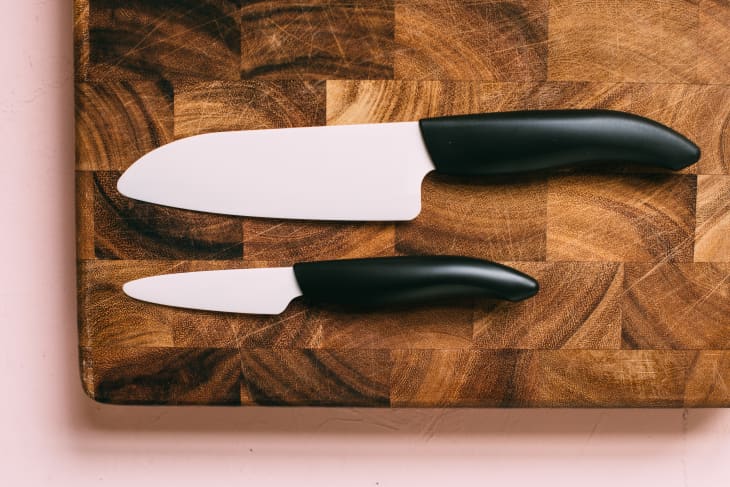
Ceramic knives are crafted from zirconium oxide, a material that is significantly harder than steel. This hardness allows the blade to maintain a razor-sharp edge for a long time, making it ideal for tasks that require accuracy. Unlike metal blades, ceramic options resist rust and do not transfer metallic tastes or odors to food. Their lightweight design also reduces hand fatigue, making repetitive slicing much easier.
However, these knives are not suited for every kitchen task. They excel at slicing fruits, vegetables, and boneless proteins, but should not be used on hard or frozen foods, bones, or for prying tasks. Understanding these limitations is key to maximizing both the longevity of your knife and the quality of your cuts.
Essential Ceramic Knife Cutting Techniques
To achieve the best results, it’s important to adapt your approach when using a ceramic blade. Here are some core techniques and tips to keep in mind:
- Use a gentle slicing motion: Let the sharpness of the blade do the work. Avoid sawing or applying excessive force, which can chip the edge.
- Stabilize your cutting surface: Always use a wooden or plastic cutting board. Hard surfaces like glass, marble, or granite can damage the blade.
- Focus on straight cuts: Ceramic knives are best for straight-down slicing. Avoid twisting or rocking motions that are common with chef’s knives.
- Keep ingredients dry: Wet foods can cause slippage. Pat produce dry before slicing for greater control and safety.
- Maintain a consistent angle: Hold the knife at a steady angle to ensure uniform slices, especially when working with delicate items like tomatoes or herbs.
Best Practices for Safe and Effective Slicing
Proper technique not only ensures clean cuts but also keeps you safe in the kitchen. Here are some best practices to follow when using a ceramic knife:
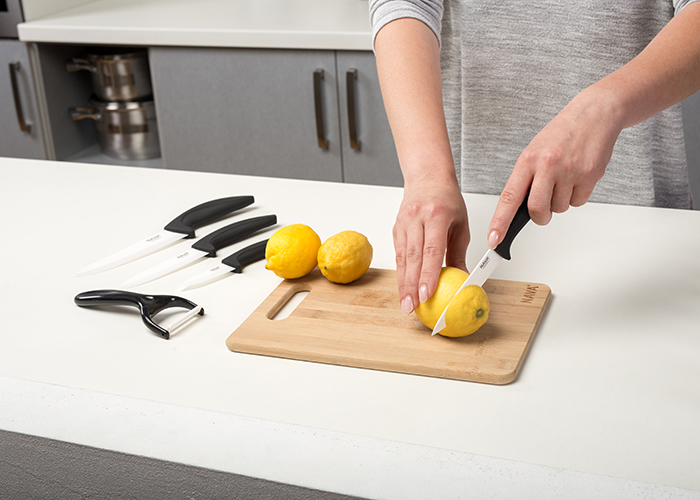
- Grip the handle firmly: Hold the knife with a relaxed but secure grip, using your index finger and thumb to guide the blade.
- Use a claw grip for your guiding hand: Tuck your fingertips under and use your knuckles to guide the knife, reducing the risk of accidental cuts.
- Slice, don’t chop: Ceramic blades are not designed for forceful chopping or hacking. Use a smooth, forward-and-down slicing motion.
- Pay attention to blade contact: Avoid contact with hard foods or bones, as this can cause chips or cracks in the blade.
- Store safely: Keep your ceramic knife in a protective sheath or on a magnetic strip, away from other utensils that could cause damage.
Maintaining Your Ceramic Knife for Lasting Performance
While ceramic knives require less frequent sharpening than steel, they do need proper care to maintain their edge and appearance. Here’s how to keep your blade in top condition:
- Hand wash only: Clean the blade with mild soap and water immediately after use. Avoid dishwashers, as the jostling can cause chips.
- Dry thoroughly: Although ceramic does not rust, drying prevents water spots and keeps the handle in good shape.
- Sharpen with the right tools: When sharpening is needed, use a diamond-dust sharpener specifically designed for ceramic blades.
- Inspect regularly: Check for chips or cracks before each use. Discontinue use if the blade is damaged, as it can be unsafe.
Common Mistakes to Avoid with Ceramic Blades
Even experienced cooks can make errors when first working with ceramic knives. Avoid these common pitfalls to ensure both your safety and the longevity of your blade:
- Using the knife on hard or frozen foods: This can quickly chip or break the blade.
- Applying too much force: Let the sharp edge do the work; excessive pressure is unnecessary and risky.
- Improper storage: Tossing a ceramic knife into a drawer with other utensils can lead to chips and cracks.
- Attempting to pry or twist: Ceramic is brittle compared to steel. Never use the blade to pry open jars or twist through tough foods.
When to Use Ceramic Knives vs. Steel Knives
Understanding when to reach for a ceramic blade and when to opt for steel is crucial for both performance and safety. Ceramic knives are ideal for:
- Slicing fruits and vegetables, especially those with delicate skins like tomatoes and kiwis
- Preparing boneless meats and fish
- Tasks that require precision and minimal pressure
On the other hand, steel knives are better suited for cutting through bones, frozen foods, or tasks that require a flexible or robust blade. For a deeper comparison, consult the detailed article on ceramic versus steel knives.
Frequently Asked Questions
What foods should never be cut with a ceramic knife?
Hard foods such as bones, frozen items, and very dense vegetables like squash or pumpkin should be avoided. These can easily chip or break the brittle ceramic blade. Stick to softer produce and boneless proteins for best results.
How do I sharpen a ceramic knife?
Sharpening ceramic blades requires a diamond-dust sharpener or a professional sharpening service. Standard knife sharpeners are not effective and may damage the blade. Regular inspection and gentle use will help maintain the edge for longer periods between sharpenings.
Are ceramic knives dishwasher safe?
It’s best to hand wash ceramic knives. The high heat and jostling in a dishwasher can cause chips or cracks. Wash with mild soap and water, then dry thoroughly before storing.
Can ceramic knives replace all my kitchen knives?
No, ceramic knives are excellent for specific tasks but are not as versatile as steel knives. Use them for precise slicing of fruits, vegetables, and boneless meats, but keep a steel knife on hand for tougher jobs.