Ceramic knives have become a popular choice in both home and professional kitchens, not just for their sharpness and durability, but also for their unique safety benefits. One of the most significant advantages is their hypoallergenic nature, making them suitable for people with sensitivities or allergies. Understanding why ceramic knives are hypoallergenic can help you make informed decisions about the tools you use in your kitchen, especially if you or your family members have concerns about allergies or skin reactions.
Unlike traditional metal knives, ceramic blades are made from zirconium dioxide, a material that does not contain common allergens such as nickel or chromium. This composition means that ceramic knives are less likely to cause allergic reactions, skin irritation, or transfer unwanted substances to food. For anyone seeking a safer, more hygienic kitchen environment, ceramic knives offer a compelling alternative to their metal counterparts.

For those interested in a deeper dive into the pros and cons of these kitchen tools, you can find a comprehensive overview in this detailed guide to ceramic knives.
Understanding Hypoallergenic Kitchen Tools
The term “hypoallergenic” refers to products designed to minimize the risk of allergic reactions. In the context of kitchen tools, this means using materials that do not trigger sensitivities or cause skin irritation. Many people develop allergies to metals such as nickel, which is commonly found in stainless steel knives. When these knives are used to prepare food, trace amounts of metal can transfer to the food or come into contact with the user’s skin, potentially causing discomfort or allergic responses.
Ceramic knives, on the other hand, are crafted from zirconium oxide, a highly stable and inert material. This composition ensures that the blades do not react with acidic or alkaline foods, nor do they leach any substances that could provoke allergies. As a result, ceramic knives are a preferred choice for individuals with metal sensitivities or anyone seeking a cleaner, more neutral food preparation experience.

Key Reasons Ceramic Knives Are Hypoallergenic
There are several factors that explain why ceramic knives are hypoallergenic and safe for a wide range of users. Below are the primary reasons:
- No Metal Allergens: Ceramic blades do not contain nickel, chromium, or other metals that commonly cause allergic reactions. This makes them ideal for people with known metal sensitivities.
- Non-Reactive Surface: The zirconium oxide used in ceramic knives is chemically inert. It does not react with acidic foods like tomatoes or citrus, nor does it corrode or rust, which can introduce irritants.
- Minimal Food Contamination: Because ceramic is non-porous, it does not absorb odors, flavors, or bacteria. This reduces the risk of cross-contamination and keeps food safer for everyone, including those with allergies.
- Easy to Clean: The smooth surface of ceramic blades makes them easy to wash thoroughly, ensuring that allergens or residues from previous foods are not left behind.
Comparing Ceramic and Metal Knives for Allergy Safety
When considering allergy safety, it’s important to compare ceramic knives with traditional metal options. Stainless steel and carbon steel knives often contain trace elements of nickel, which is a common allergen. Even small amounts can cause reactions in sensitive individuals, especially with frequent use.
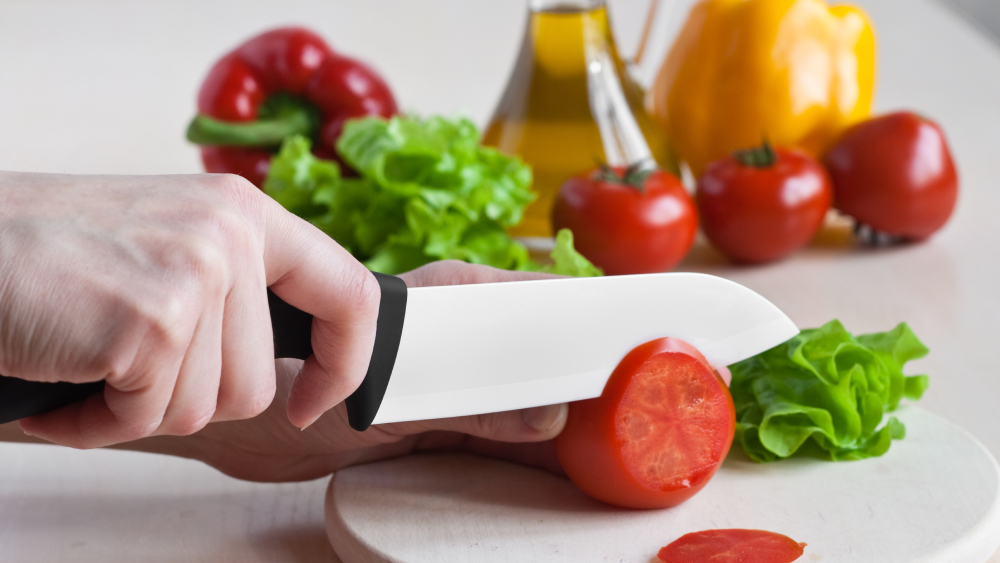
In contrast, ceramic knives are free from these metals. They are manufactured under high temperatures, resulting in a blade that is both hard and non-reactive. This means that, unlike metal knives, ceramic blades do not corrode, rust, or leach any substances into food. For people with allergies, this can make a significant difference in comfort and safety during food preparation.
Benefits Beyond Hypoallergenic Properties
While the hypoallergenic nature of ceramic knives is a major advantage, these tools offer additional benefits that make them appealing to a broad range of users:
- Exceptional Sharpness: Ceramic blades are known for their razor-sharp edges, which can stay sharp much longer than most steel knives.
- Lightweight Design: Ceramic knives are significantly lighter than metal alternatives, reducing hand fatigue during extended food prep sessions.
- Corrosion Resistance: Unlike metal knives, ceramic blades do not rust or corrode, even when exposed to acidic foods or moisture.
- Odor and Stain Resistance: The non-porous surface prevents absorption of food odors and stains, keeping the knife clean and neutral.
These features, combined with their allergy-friendly properties, make ceramic knives a smart choice for anyone looking to upgrade their kitchen tools.
Who Should Consider Using Ceramic Knives?
Ceramic knives are especially beneficial for:
- Individuals with known metal allergies or sensitivities
- Families with young children or elderly members who may be more vulnerable to allergens
- Professional chefs and home cooks seeking a hygienic, easy-to-clean option
- Anyone preparing food for people with dietary restrictions or allergies
Choosing hypoallergenic kitchen tools can help create a safer and more inclusive cooking environment, reducing the risk of allergic reactions and ensuring peace of mind for everyone involved.
Proper Care and Maintenance for Allergy Safety
To maintain the hypoallergenic benefits of ceramic knives, it is important to follow proper care guidelines:
- Wash the knife with mild soap and water after each use. Avoid abrasive cleaners or scouring pads, which can damage the blade.
- Store ceramic knives separately from metal utensils to prevent chipping and cross-contamination.
- Use a soft cutting board, such as wood or plastic, to preserve the sharpness and integrity of the blade.
- Inspect the knife regularly for chips or cracks, as damaged blades can harbor bacteria or lose their hypoallergenic properties.
With the right care, ceramic knives can provide long-lasting, allergy-safe performance in any kitchen setting.
Common Myths About Ceramic Knives and Allergies
Despite their many advantages, there are some misconceptions about ceramic knives and their suitability for allergy-prone users:
- Myth: All knives are equally safe for people with allergies.
Fact: Metal knives can contain allergens like nickel, while ceramic knives do not. - Myth: Ceramic knives are fragile and break easily.
Fact: While ceramic blades can chip if dropped, they are extremely hard and durable when used properly. - Myth: Ceramic knives require special cleaning products.
Fact: Simple soap and water are sufficient for cleaning ceramic blades, making them easy to maintain.
Understanding the facts can help you make the best choice for your kitchen and health needs.
Frequently Asked Questions
Are ceramic knives completely free from allergens?
Yes, ceramic knives are made from zirconium oxide, which does not contain common allergens like nickel or chromium. This makes them a safe choice for individuals with metal sensitivities.
Can ceramic knives be used for all types of food?
Ceramic knives are excellent for slicing fruits, vegetables, and boneless meats. However, they are not recommended for cutting through bones or frozen foods, as this can damage the blade.
How do I ensure my ceramic knife remains hypoallergenic?
Proper cleaning and storage are key. Wash the knife thoroughly after each use, avoid using abrasive materials, and store it separately from metal utensils to prevent contamination and preserve its hypoallergenic qualities.